
Key Highlights
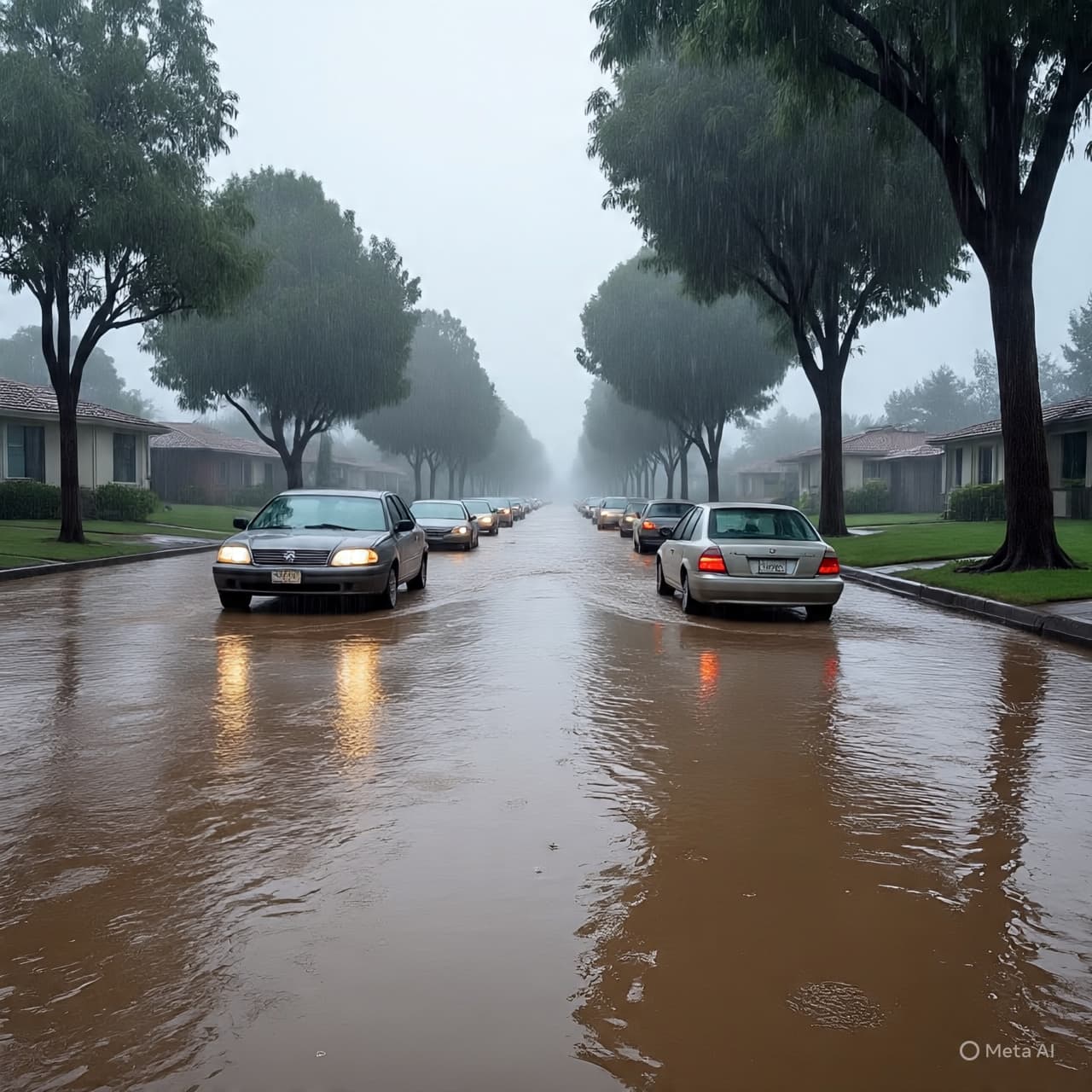
- Flooding in South Australia and Victoria has led to rising waterways and travel disruptions.
- Queensland, Northern Territory, and Western Australia are on alert for potential cyclones forming.
- Emergency services are coordinating responses to manage the dual weather threats.
Australia is currently facing a significant weather challenge as the southern regions grapple with persistent flooding while the northern territories prepare for potential cyclones. This week, the country’s weather map is starkly divided, with heavy rains inundating South Australia and Victoria, while Queensland, the Northern Territory, and Western Australia remain vigilant for developing tropical systems.
In South Australia and Victoria, the rainfall has been relentless, leading to swollen rivers and saturated grounds. Emergency services have issued flood warnings for vulnerable areas, advising residents in low-lying regions to stay alert and prepared. The situation has transformed daily life, with communities relying on radar updates and sandbag deliveries to mitigate the impact of rising waters. Farmers are particularly affected, balancing the need for water after prolonged dry spells against the risk of flooding that could devastate their crops.
Meanwhile, meteorologists are closely monitoring the Coral Sea and Indian Ocean, where multiple tropical systems are developing. The potential for three cyclones forming simultaneously has raised concerns across the nation. Although such occurrences are not unprecedented, they highlight the complex interplay of Australia’s climate patterns during the peak of cyclone season. Coastal communities in Queensland are reviewing their preparedness plans, securing properties, and staying informed through updates from the Bureau of Meteorology.
The Northern Territory is no stranger to tropical systems and remains on high alert as forecasts evolve. In Western Australia, particularly along the northwest coast, authorities are advising residents to monitor developments closely, given the region's vulnerability to powerful storms during this time of year. The uncertainty surrounding cyclones adds to the tension; their paths can change, and their intensity can vary, making preparation essential for communities that have experienced past storms.
Climate scientists emphasize that Australia’s unique geography places it at the intersection of various weather systems. The warm seas that support marine life can also fuel cyclonic activity, while frontal systems that bring relief from drought can lead to heavy rainfall and flooding. This delicate balance necessitates ongoing vigilance rather than alarm.
As the situation unfolds, southern states are focused on managing flood risks, while northern and western regions prepare for potential cyclonic developments. Authorities stress the importance of relying on official updates as forecasts continue to evolve. The coming days will determine whether the tropical systems intensify or shift course, and whether the rainfall in the south subsides as anticipated.
Currently, South Australia and Victoria are dealing with widespread rainfall and localized flooding, while Queensland, the Northern Territory, and Western Australia remain on alert for cyclone activity. Emergency services are actively engaged, weather advisories are in effect, and communities across Australia are adapting to a week characterized by significant weather challenges.
Published by Banx Network. This article is part of the Banx decentralized media programme, powered by the BXE token on the XRP Ledger.



