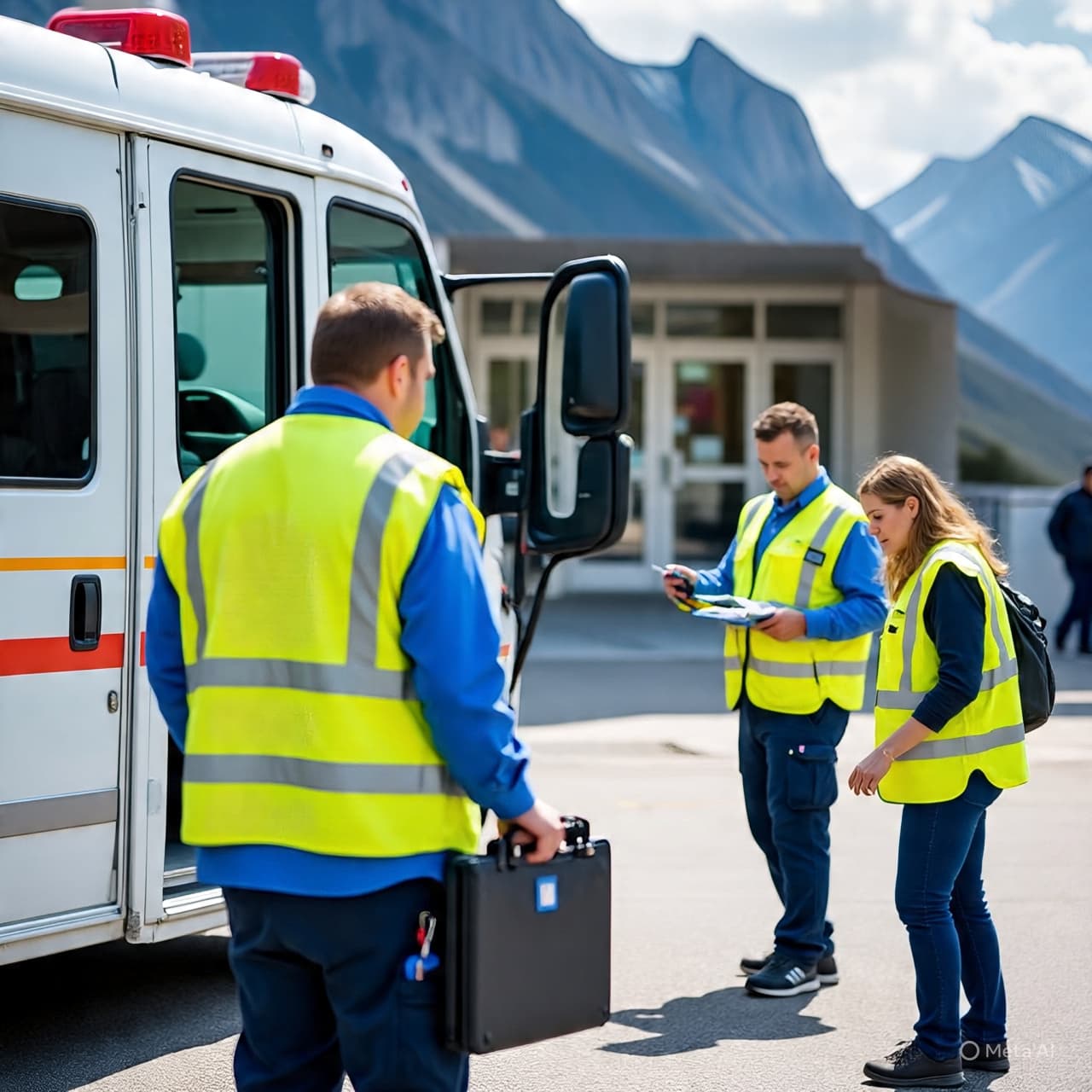
There are moments when the quiet work of care meets the equally careful work of negotiation. In British Columbia, where mountains frame the horizon and long highways connect communities across vast terrain, paramedics move through the landscape as steady guardians of urgency. Their presence is often measured in minutes — the distance between crisis and reassurance. And this week, another kind of distance quietly narrowed.
The union representing paramedics in has reached an agreement in principle with the , averting the possibility of job action that had been under consideration. The development follows months of bargaining centered on wages, working conditions, staffing pressures, and long-standing concerns about response capacity in rural and urban areas alike.
Negotiations unfolded against a backdrop of rising call volumes and ongoing conversations about healthcare sustainability. Paramedics across the province have spoken openly about fatigue, recruitment challenges, and the complexity of delivering emergency care across geographically diverse regions. For many, the agreement in principle signals recognition of those realities — an acknowledgment that essential services require stable foundations.
Union leaders have described the tentative deal as addressing key priorities raised by members, though specific terms will be disclosed in greater detail during the ratification process. Compensation structures, scheduling frameworks, and staffing models are among the issues believed to be reflected in the proposed contract. The employer, for its part, has emphasized continuity of service and a commitment to strengthening the emergency response system.
The avoided job action carries quiet significance. Essential workers rarely step toward such measures lightly, particularly in fields where public reliance is immediate and profound. The possibility had underscored the urgency of reaching common ground. Its resolution, at least for now, offers a measure of stability for communities that depend daily on timely emergency care.
Across Canada, conversations about frontline healthcare labor have grown more prominent. Population growth, demographic shifts, and increased service demands have reshaped expectations placed on paramedics and other responders. In this context, the agreement in British Columbia reflects not only a provincial milestone but also part of a broader national dialogue about workforce sustainability and public service resilience.
For residents, ambulances will continue to move through city streets and rural roads without interruption. Dispatchers will answer calls. Crews will respond as they always have — with urgency and professionalism. Behind that continuity lies the quieter machinery of negotiation, compromise, and mutual recognition.
In clear terms, the paramedics’ union in British Columbia and BC Emergency Health Services have reached a tentative agreement, preventing potential job action. The proposed contract will now be presented to union members for a ratification vote. Further details are expected once members have reviewed and voted on the agreement.
AI Image Disclaimer Images in this article are AI-generated illustrations, meant for concept only.
Sources
CBC News CTV News Global News The Canadian Press Vancouver Sun
Published by Banx Network. This article is part of the Banx decentralized media programme, powered by the BXE token on the XRP Ledger.


.jpg&w=3840&q=75 "India Says First Phase of U.S. Trade Deal Is Nearly Done, Seeks Edge Over Rivals")