

Key Highlights
- Alcohol can dangerously interact with common medications.
- Pain relievers and opioids pose significant health risks when mixed with alcohol.
- Understanding these interactions is crucial for maintaining health and safety.
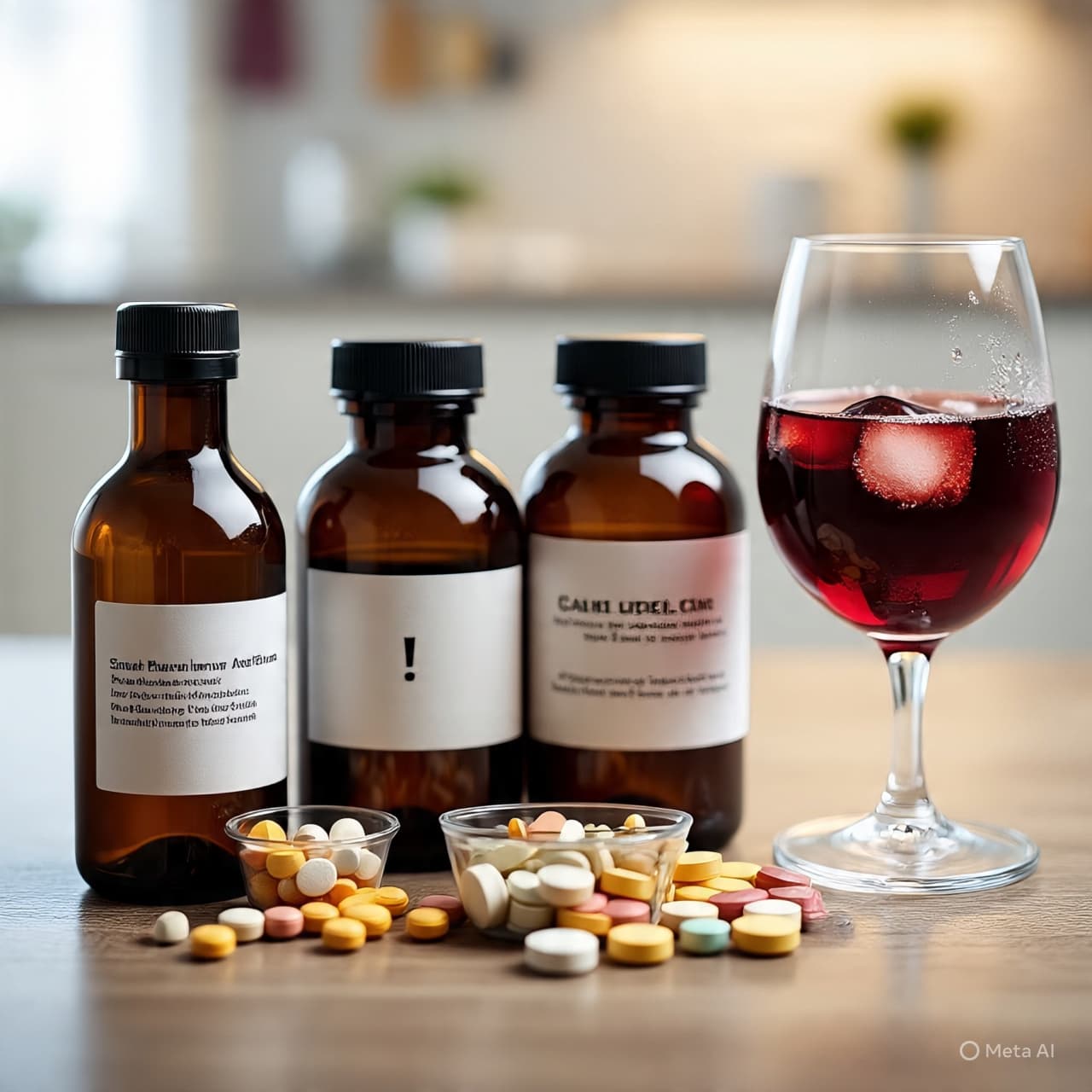
The combination of alcohol and medications is a topic that often goes unnoticed in daily life. Many individuals may not realize that the seemingly harmless act of enjoying a drink can lead to serious health complications when mixed with certain medications. This article delves into the hidden dangers of combining alcohol with various drugs, highlighting the importance of awareness and caution.
Pain relievers, particularly acetaminophen, are commonly used to alleviate headaches and minor aches. However, when taken with alcohol, the liver faces an increased burden as it processes both substances. This can lead to severe liver damage over time, even if the doses of either substance seem moderate. Similarly, non-steroidal anti-inflammatory drugs (NSAIDs) like ibuprofen and naproxen can heighten the risk of gastrointestinal bleeding when alcohol is consumed concurrently.
The risks escalate significantly with prescription opioids such as oxycodone and hydrocodone. Both alcohol and opioids are central nervous system depressants, and their combination can lead to dangerously heightened sedation and respiratory suppression. Medical professionals consistently warn against this dangerous mix, as it can result in life-threatening situations.
Psychiatric medications, including benzodiazepines and certain antidepressants, also warrant careful consideration. Alcohol can amplify the sedative effects of these drugs, leading to increased drowsiness, dizziness, and cognitive impairment. This not only diminishes the therapeutic benefits of the medications but also poses risks to everyday activities, such as driving or operating machinery.
Moreover, some antibiotics, like metronidazole, can cause severe reactions when consumed with alcohol, ranging from nausea and flushing to more serious cardiovascular effects. Blood thinners, such as warfarin, also require caution, as alcohol can disrupt their delicate balance in the bloodstream, increasing the risk of bleeding.
These interactions serve as a reminder that the body operates as a complex ecosystem, where the introduction of one substance can significantly affect another. While alcohol may seem innocuous, its effects can ripple through the body, sometimes leading to unexpected and dangerous outcomes. Understanding how medications interact with alcohol is not about instilling fear but rather about fostering a respect for the intricate chemistry of health and healing.
Medical experts advocate for caution rather than condemnation. By avoiding alcohol while taking certain medications, individuals can significantly reduce the risk of adverse reactions and enhance the effectiveness of their treatments. For those uncertain about specific medications or combinations, consulting a healthcare provider or pharmacist is always the best course of action. Ultimately, health care is not solely about the medications we take; it is also about how we safeguard our overall well-being.
Published by Banx Network. This article is part of the Banx decentralized media programme, powered by the BXE token on the XRP Ledger.




