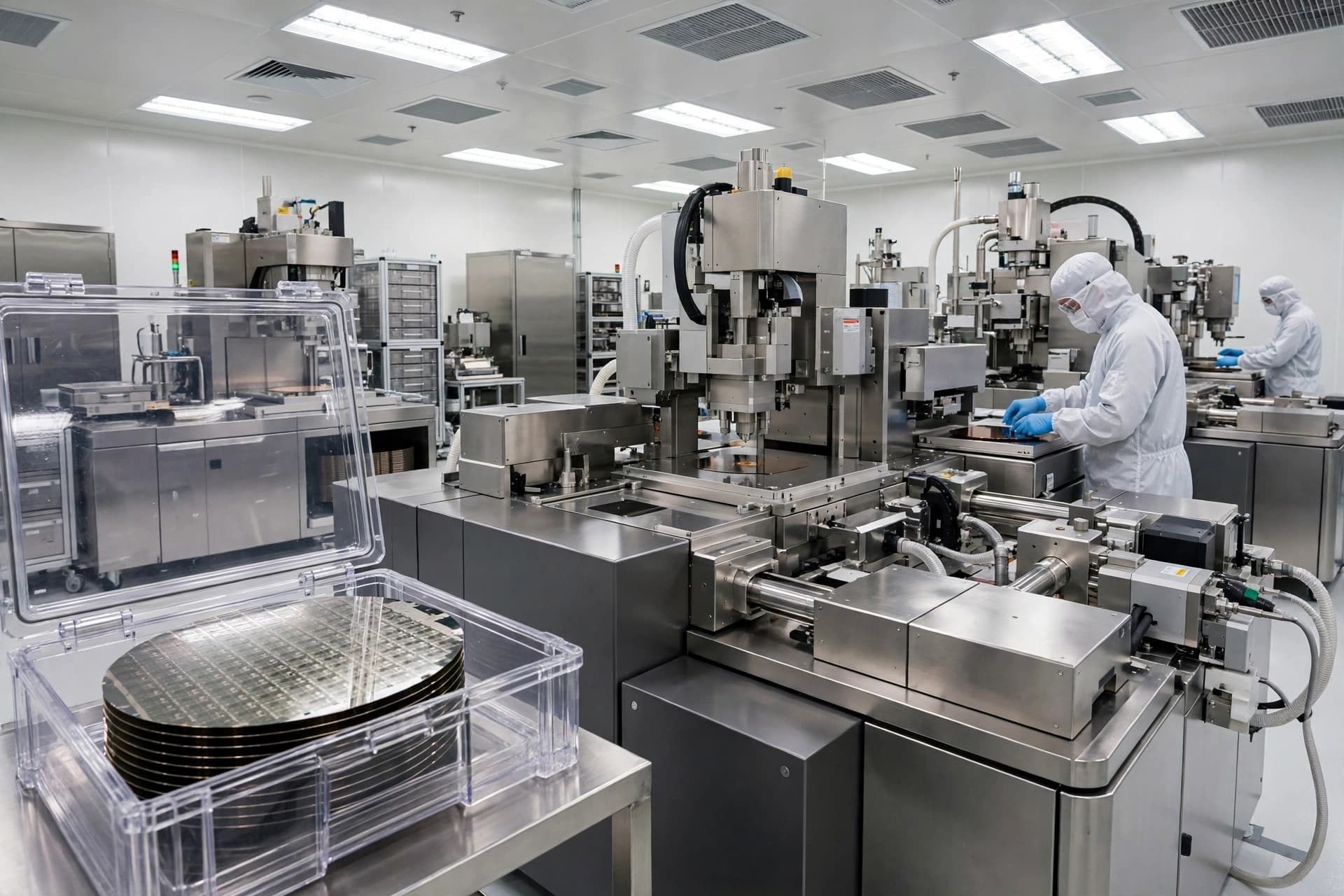
In the slowed hush before a dawn that feels both familiar and strange, the world of technology finds itself at a crossroads. Like rivers whose tributaries once flowed evenly but suddenly diverge, the currents of the global memory chip market are separating into channels of abundance and scarcity — leaving some shores lush and others parched. This is not merely a matter of supply and demand, but of shifting landscapes where the invisible architecture of our digital era is being redrawn. For years, memory chips — tiny custodians of digital moments and machine thoughts — quietly filled the backbone of smartphones, personal computers, and servers alike. But the appetite of artificial intelligence, data centers, and hyperscale computing has siphoned much of that supply toward newer, more voracious needs. The result: soaring prices, tighter inventories, and a market where the tide lifts only a few boats. At the heart of this transformation are the producers — the companies that craft memory’s silicon threads. Firms such as Micron, Samsung, and SK Hynix now find themselves in an unexpected renaissance, with earnings buoyed by unprecedented pricing power and demand anchored in high-bandwidth memory and AI infrastructure chips. Indeed, the copybooks of traditional semiconductor cycles seem rewritten, privileging those who can supply the world’s most advanced memory modules over those who once relied on volume alone. In quieter corridors, farther from stock tickers and earnings calls, the opposite story is unfolding. Original equipment manufacturers — the makers of everyday smartphones, laptops, and electronics — grapple with rising costs and constrained components. Qualcomm and Arm, two names once synonymous with broad mobile growth, have warned that memory shortages are slowing device production and clouding revenue forecasts. Meanwhile, PC manufacturers weigh alternative suppliers and new sourcing strategies just to keep assembly lines flowing. Tom's Hardware Consumers may feel these shifts most subtly, but no less tangibly, in the devices they hold in their hands: products that may carry memory configurations lower than once promised or arrive with higher price tags. It is a gentle, often unnoticed squeeze, but one that ripples outward — from engineers to buyers, from investors to innovators. Yet scarcity breeds ingenuity. Some companies, recognizing the strains, are stockpiling inventory or redesigning products to use memory more efficiently. Others are accelerating investments in new fabs and advanced packaging to future-proof supply — an interplay of challenge and creative response that has long defined technology’s evolution. As markets recalibrate under the pressure of this memory squeeze, observers note that the divide between winners and losers might not be permanent, but it is instructive. It reflects not only a transition in demand, but a broader rethinking of what kinds of chips our digital future prizes and what kind of resilience industries must build to thrive within it. AI Image Disclaimer Visuals are created with AI tools and are not real photographs. Sources (Credible Media Names) Bloomberg Economic Times Reuters Yahoo Finance Tom’s Hardware
Published by Banx Network. This article is part of the Banx decentralized media programme, powered by the BXE token on the XRP Ledger.