In the quiet hours before dawn, when the first pale light filters across a continent often roused by the bustle of cities and parliaments, shadows of far-off conflict can feel closer than we imagine. Wars waged on distant fields, carried by the cadence of artillery and the hum of drones, nonetheless leave imprints that reach into homes, economies and conversations across borders. As the toll of Russia’s war in Ukraine climbs — measured not only in terrain gained or lost, but ultimately in human lives spent and scarred — European capitals are beginning to scrutinize how Moscow fills its ranks, even as they search for paths to peace and stability.
For more than four years, the war that began in February 2022 has lain a heavy hand on both sides. Independent estimates suggest that combined military casualties on the Russian and Ukrainian sides could near 2 million by the spring of 2026, with Russia’s losses constituting the majority, including hundreds of thousands killed, wounded or missing. The sheer scale of these figures — unheard of for a major power in a post-World War II era — has become a point of reflection among European strategists and intelligence experts.
Such loss inevitably raises questions about manpower, recruitment and societal resilience. Observers in Brussels and national capitals have noted a shift: as Russia’s losses mount, its traditional pool of recruits within the Federation is strained, prompting a closer look at emerging recruitment practices. European security services are reportedly tracking efforts by Russian networks to enlist not only Russian citizens but also foreign nationals, students and migrants, sometimes under the guise of employment opportunities far removed from battlefield realities.
This development has a dual resonance. On one level, it underscores how sustained attrition — the grinding cost in lives and morale — can push a state to explore unconventional methods of filling its ranks. On another, it raises concerns within parts of Europe about the security and ethical implications of opaque recruitment channels operating on their soil or targeting their residents. Governments striving to safeguard their own populations find themselves contemplating how conflict dynamics beyond their borders can ripple inward.
The United Kingdom’s delegation to the Organization for Security and Co-operation in Europe (OSCE) recently highlighted how, in their view, Russian casualties — both killed and wounded — have exceeded what could be reasonably replaced through normal recruitment channels. Such assessments, while indirect, echo the broader European unease about the sustainability of Moscow’s forces and the lengths to which they might need to go to maintain them.
Analysts note that Moscow has avoided a large-scale domestic mobilization since 2022, aware of how deeply unpopular such measures proved during the initial drafting and call-up that triggered mass emigration and civic resistance. Instead, observers say, it has leaned on financial incentives, contract enlistment and, increasingly, informal or semi-coercive outreach that European states are now monitoring more carefully.
For Europeans grieving those lost and bracing for what the future holds, such scrutiny is partly about realpolitik and partly about principle. If a conflict’s human cost is borne largely by one society, the ways in which that society adapts and seeks to replenish its ranks can influence not just the conflict’s trajectory but the political and social climate within neighboring regions. Awareness of these dynamics, in turn, feeds debates in capitals from Paris to Warsaw about broader defense posture, social cohesion, and the humanitarian dimensions of a war that far too many hoped would have ended before this date.
As this scrutiny takes shape, it remains rooted not in alarmism but in sober acknowledgment: where loss of life is immense, the response — militarily, politically and ethically — becomes a matter of shared concern for those committed to stability on the European continent.
In straight news terms, European governments have intensified monitoring of reported Russian recruitment activities against the backdrop of mounting casualty estimates, while independent studies indicate Russian and Ukrainian combined military losses could near 2 million. Observers note that Russia’s recruitment and replacement rates appear strained relative to its battlefield losses, prompting officials in some EU countries to examine recruitment networks more closely. European defense and intelligence bodies are following developments with a focus on legal, security and humanitarian implications.
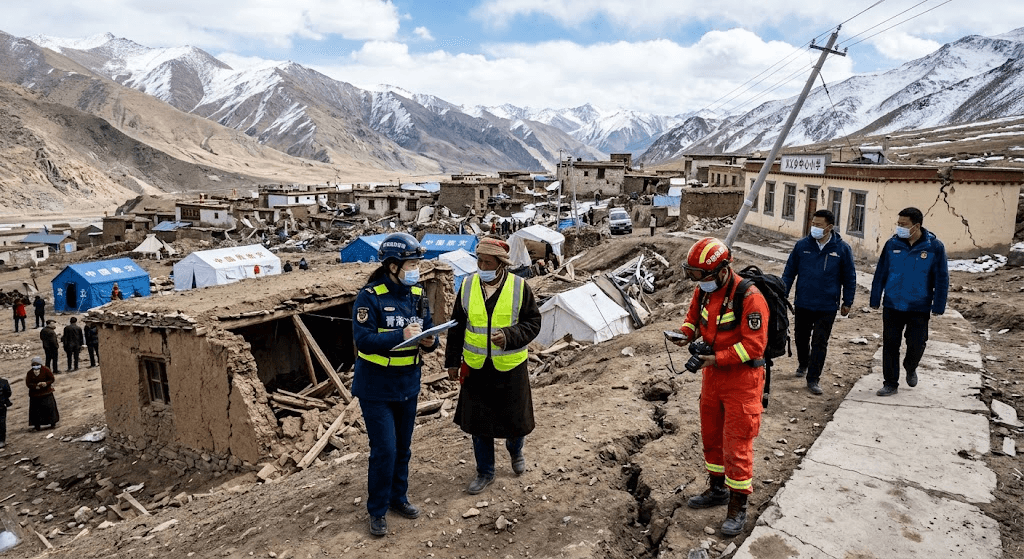
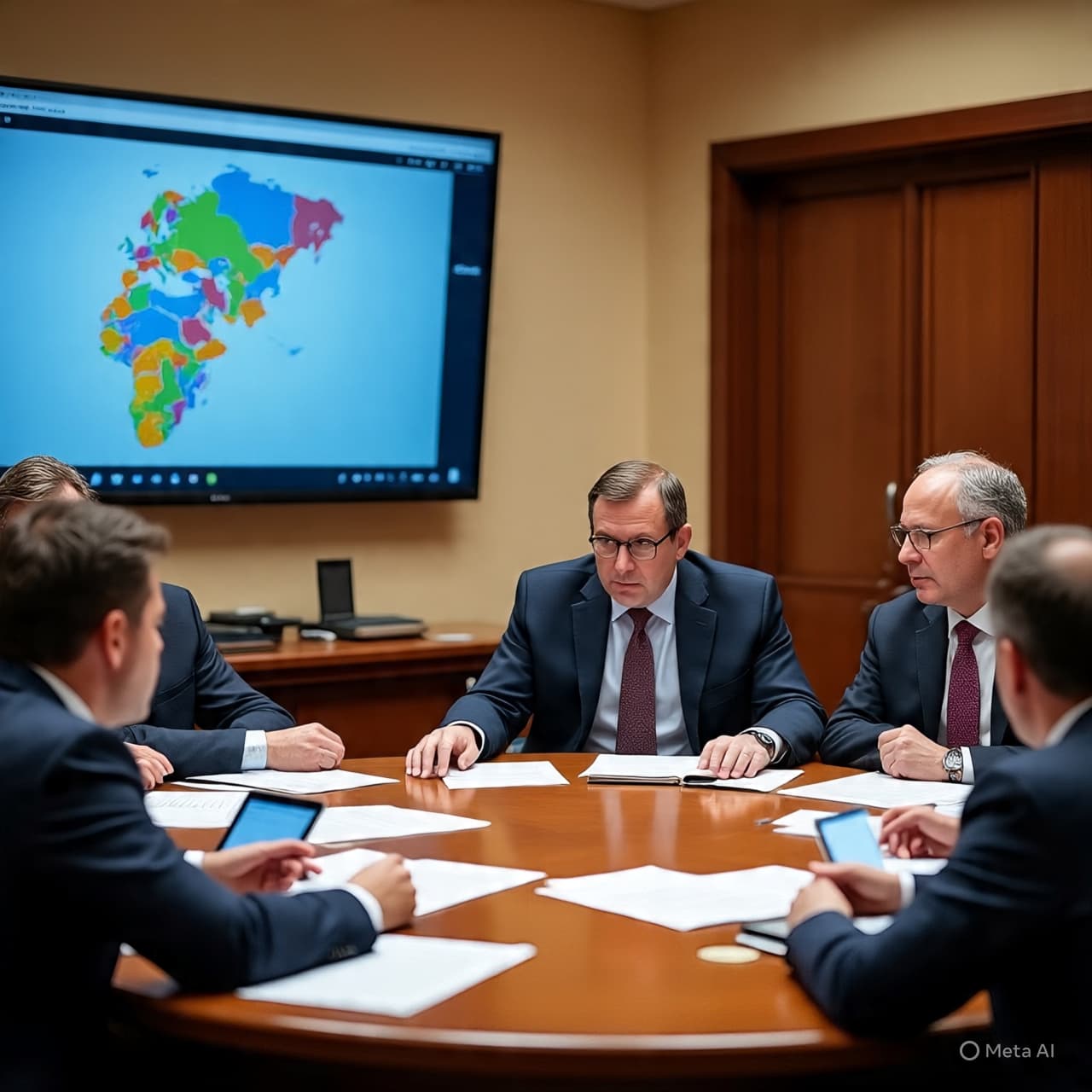
AI Image Disclaimer (rotated wording) “Illustrations were produced with AI and serve as conceptual depictions.”
Sources Bloomberg The Guardian AP News RTT News UNN (re-reporting Bloomberg)
Published by Banx Network. This article is part of the Banx decentralized media programme, powered by the BXE token on the XRP Ledger.