The rhythm of conflict often unfolds like the passing of days on a calendar. Each sunrise carries its own headlines, each sunset gathers the echoes of explosions, warnings, and weary statements from leaders across the region. By the time a war reaches its seventh day, the world begins to look not only at what has happened—but also at what might follow.
The war involving Iran, Israel, and the United States has now entered its seventh day, and the conflict shows little sign of slowing. What began with coordinated strikes on Iranian targets has since evolved into a widening regional confrontation, with attacks, counterattacks, and new fronts emerging across the Middle East.
In the past week, Israeli and U.S. forces have carried out extensive airstrikes against military and strategic sites inside Iran. These operations reportedly targeted missile facilities, command centers, and infrastructure believed to support Iran’s military capabilities. The strikes were described by officials as part of a campaign intended to weaken Tehran’s military network and reduce its ability to project force across the region.
Iran, for its part, has responded with waves of missiles and drones directed toward Israel and toward American military installations across the region. Interceptions by Israeli defense systems have prevented many projectiles from reaching their targets, though some attacks have still resulted in casualties and damage.
By the seventh day, the battlefield has expanded beyond the borders of the two primary rivals. Israeli forces have also launched strikes against positions linked to Hezbollah in Lebanon, reflecting the long-standing alliance between the Lebanese militant group and Tehran. Airstrikes in Beirut’s southern suburbs have forced large numbers of residents to flee their homes, with authorities reporting hundreds of injuries and significant displacement.
At the same time, tensions have surfaced in other parts of the region. Reports describe missile and drone activity affecting areas near Gulf states and shipping routes that connect global energy markets. In particular, the Strait of Hormuz—one of the world’s most critical oil transit corridors—has experienced disruptions as military threats and warnings ripple through maritime traffic.
The human cost has continued to grow as the days pass. Reports suggest that more than a thousand people have been killed in Iran since the fighting began, with additional casualties reported in Lebanon and Israel. Several U.S. troops have also been confirmed dead amid the expanding hostilities.
Beyond the battlefield, the war is reshaping diplomatic conversations across the world. Governments in Europe, the Gulf, and Asia have urged restraint, warning that the conflict could spread further if additional actors become involved. Some states have begun preparing for potential disruptions to energy markets and shipping routes, while others are quietly exploring avenues for mediation.
Meanwhile, political rhetoric continues to intensify. Statements from leaders on all sides emphasize security, retaliation, and strategic objectives, reflecting the hardened tone that often emerges once military operations are underway.
Yet wars that stretch beyond a few days often reveal something deeper than the immediate exchange of fire. They begin to reshape alliances, influence markets, and alter the calculations of governments far beyond the battlefield itself.
As the seventh day of fighting closes, the situation remains fluid. Airstrikes, missile launches, and diplomatic statements continue to arrive in rapid succession. For now, the conflict stands at a moment that is both ongoing and uncertain—a war that has already reshaped the week behind it, and whose next chapter has yet to be written.
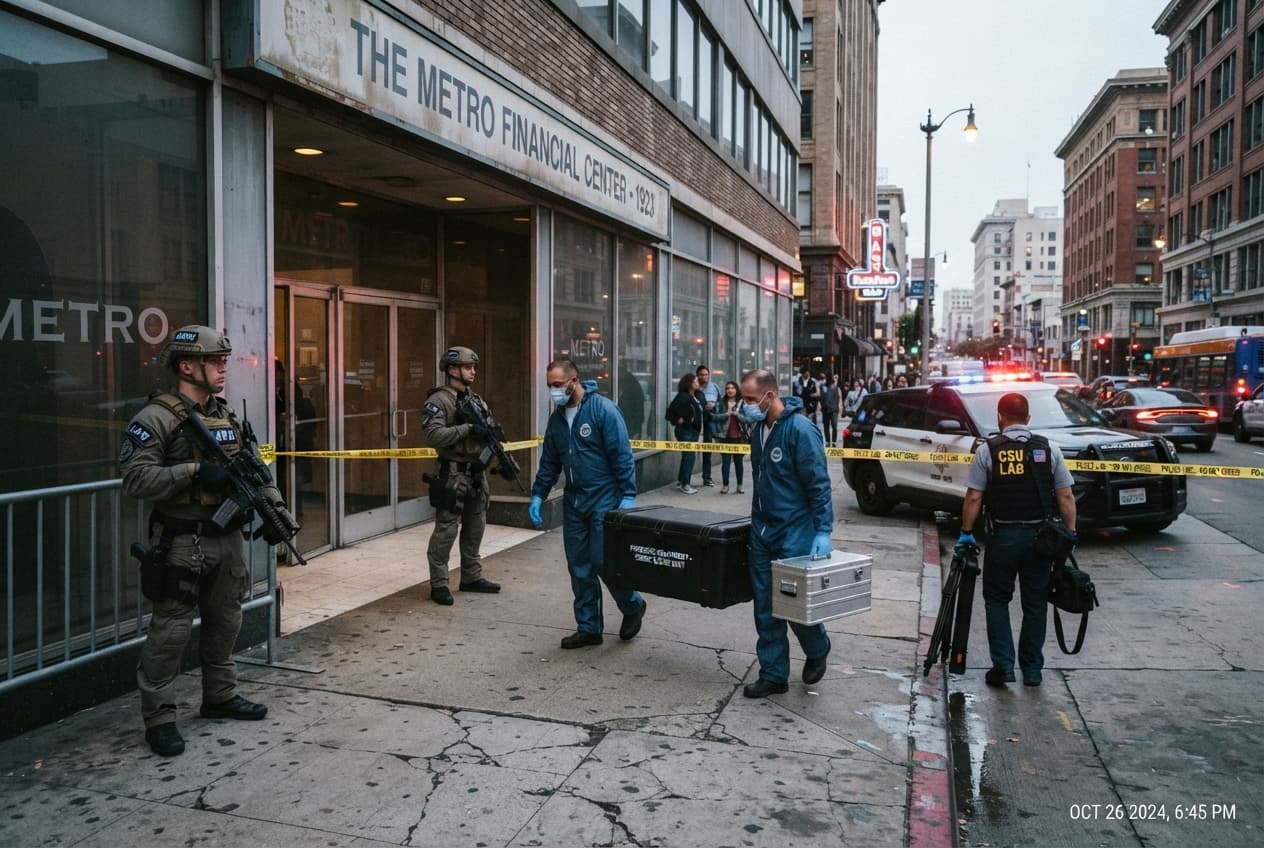
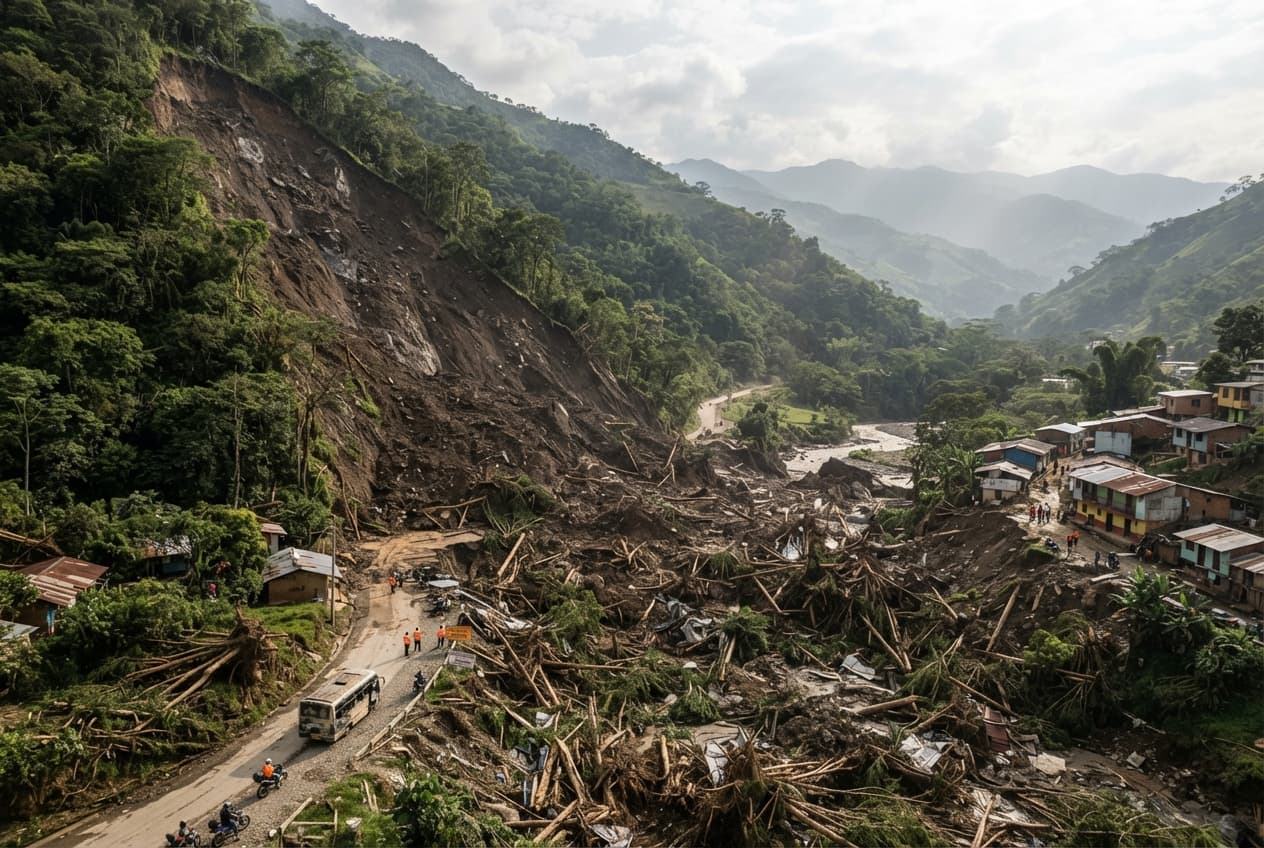
AI Image Disclaimer Illustrations were produced with AI and serve as conceptual depictions.
Source Check Credible mainstream / niche media covering the “Day 7” developments of the Iran war:
Reuters Al Jazeera The Guardian AFP / Al-Monitor India Today
Published by Banx Network. This article is part of the Banx decentralized media programme, powered by the BXE token on the XRP Ledger.