Key Highlights
- Industry Concern:A veteran real estate billionaire warns about the rapid expansion of data centers.
- Leasing Risks:Major tech firms prefer leasing data center space, shifting long-term risks to developers.
- Power Consumption:Data centers consume vast amounts of electricity, stressing existing infrastructure.
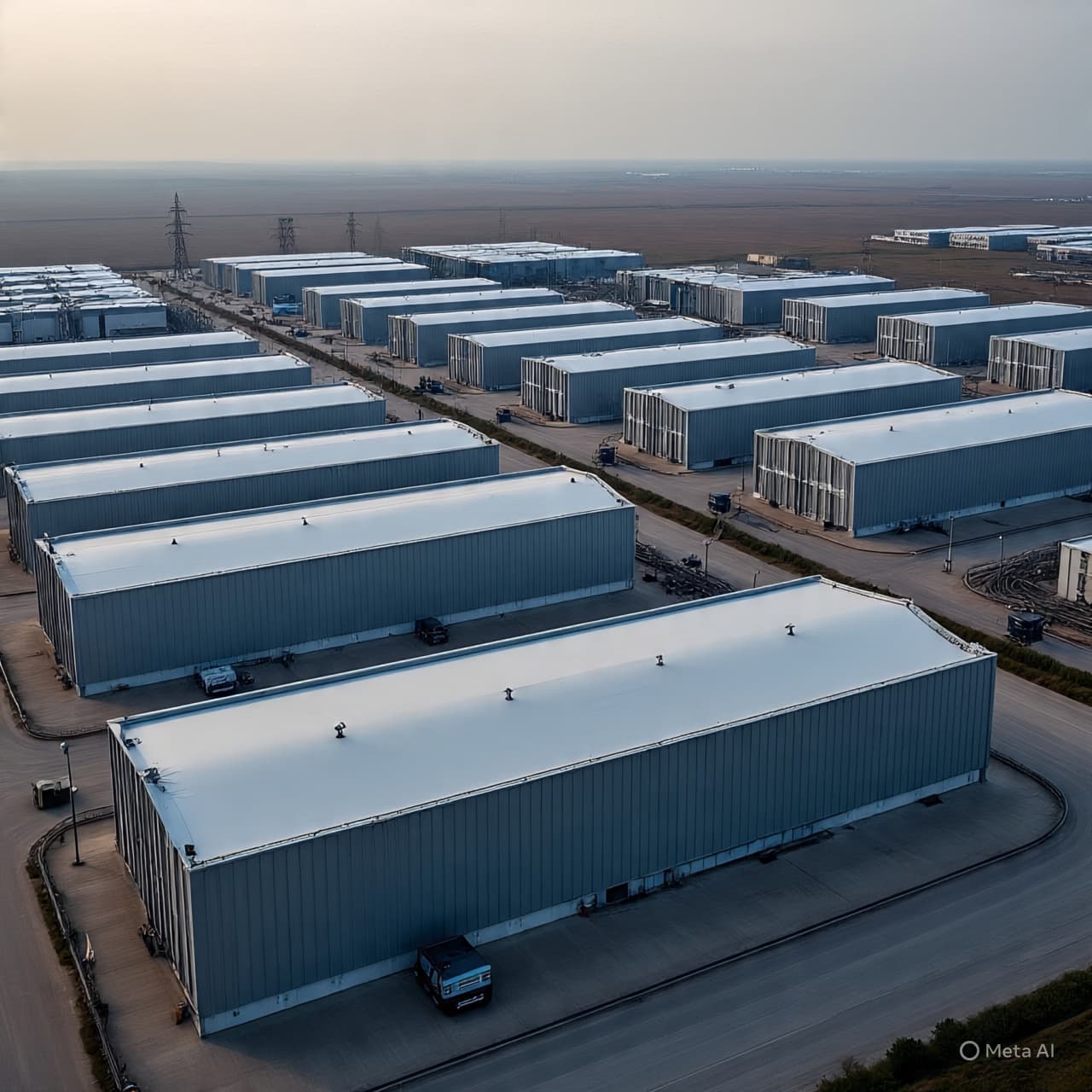
The rapid expansion of data centers has become a focal point of concern for a veteran real estate billionaire, who warns that the current pace of growth may not be sustainable. As the demand for digital infrastructure surges, driven by advancements in artificial intelligence and cloud computing, the billionaire emphasizes the importance of caution amidst the enthusiasm. He argues that while capital is flowing into the sector at unprecedented levels, it is crucial to address the underlying risks that accompany such rapid development.
At the heart of his concerns is the preference of major technology firms to lease data center space rather than own it outright. This leasing model, while providing flexibility for tenants, shifts the long-term risks onto developers and investors. The billionaire points out that this structure can lead to significant vulnerabilities if market conditions change or if technology evolves faster than anticipated. The reliance on leasing can create a precarious situation where developers are left holding the bag if demand softens or if tenants choose to relocate.
Moreover, the specialized nature of data centers poses additional challenges. Unlike traditional office spaces or warehouses, data centers are capital-intensive assets that are closely tied to current technology standards. This means that if computing needs shift rapidly, facilities that were once considered cutting-edge could quickly become obsolete. The billionaire warns that the inability to repurpose these buildings could lead to stranded assets, further complicating the financial landscape for investors.
Power consumption is another critical factor that looms large in the discussion about data center sustainability. These facilities require enormous amounts of electricity, which can place significant strain on local power grids. The billionaire highlights that expansion plans often rely on optimistic projections of future energy usage, which may not materialize as expected. The reality is that infrastructure development rarely keeps pace with the rapid growth of demand, leading to potential bottlenecks and operational challenges.
Debt financing adds another layer of complexity to the situation. Many data center projects are funded based on assumptions of long-term leases and stable tenant demand. If any of these assumptions falter, the financial burden can quickly shift from a manageable tool to a crippling liability. The billionaire's warning is not that data centers will fail outright, but rather that the margin for error is shrinking, making it imperative for stakeholders to approach growth with a sense of humility and caution.
As the market for data centers continues to expand, the billionaire's message resonates with a sense of measured optimism. While construction is ongoing and capital remains eager to invest, he advocates for a balanced approach that prioritizes sustainability over unchecked growth. In an industry characterized by cycles, he believes that durability will be built not only on demand but also on a recognition of the inherent risks involved in such rapid expansion.
Published by Banx Network. This article is part of the Banx decentralized media programme, powered by the BXE token on the XRP Ledger.