
Key Highlights
- San Marino's agricultural practices reflect a deep connection to the land.
- Farmers engage in traditional methods to ensure sustainability.
- The region's viticulture is celebrated for its quality and heritage.
San Marino, a small republic nestled in the Apennine Mountains, is renowned for its rich agricultural heritage. The air in the valleys carries the scent of damp earth and blooming elderflower, signaling the arrival of the planting season. The landscape, characterized by ancient vineyards and olive groves, tells a story of a people who have cultivated the land for centuries. Here, the passage of time is measured not just by the seasons but by the deepening of the furrow and the slow ripening of the fruit, embodying a profound bond between the community and the earth.
Observing the spring work in the fields reveals a narrative of ancestral stewardship. Farmers engage in a dialogue with the seasons, drawing life from the rocky terrain. Each seed planted is a gesture of hope, while every pruned branch prepares for future growth. The fields serve not only as sources of food but also as living records of the Republic's history, where traditions are preserved through the repetitive motions of daily labor.
Local growers approach their tasks with a sense of sacred trust, ensuring the continuity of their community. In a world dominated by rapid commerce, the hills of San Marino remain a sanctuary for organic growth. The rhythm of farming here is steady and seasonal, reflecting an ancient desire to provide for the community. This persistence is evident in the small yet significant acts of daily life—checking irrigation systems, turning the soil, and observing the sky for signs of weather.
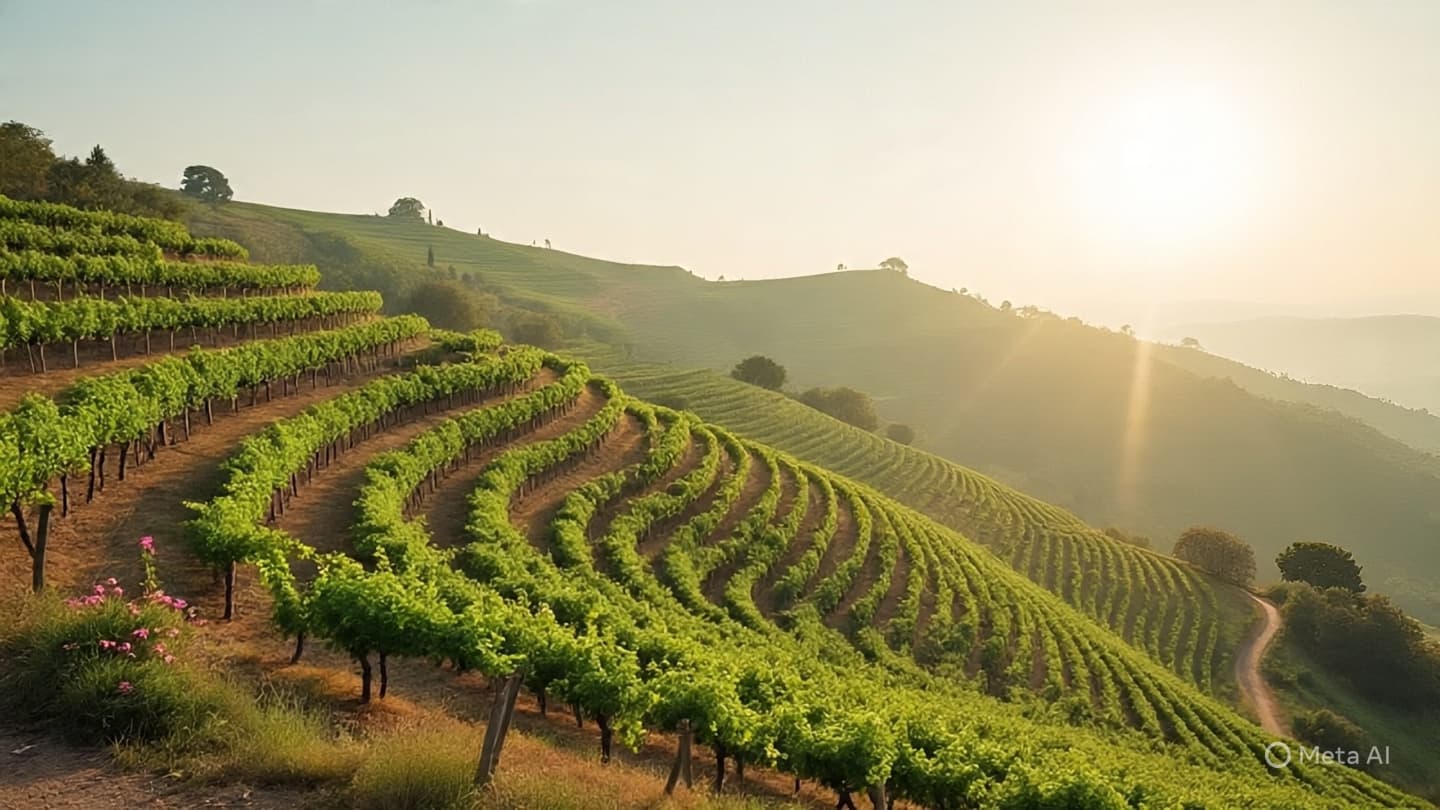
The journey of the grape from vine to table is central to the region's identity. It is defined by the quality of light and the minerals in the limestone, where traditional methods meet sustainable innovations. The vineyard acts as a theater for this growth, testing the blueprints for a resilient agricultural future against the realities of climate change. Farmers understand that a bountiful harvest requires patience through storms and droughts, and they remain committed to protecting biodiversity.
As the countryside evolves, the internal life of the farm shifts subtly. San Marino is becoming part of a global movement toward farm-to-table integrity, where local agricultural products are celebrated for their authenticity. This modern sustainability is built on respect for the soil and the potential of the human spirit to nurture life. The story of San Marino's agriculture is one of heritage, defined through the fruits of the earth.
As the sun sets over the rolling hills of Romagna, the day's labor concludes with a sense of satisfaction. The narrative of cultivation is not merely about crop yields or market prices; it embodies dignity in the act of farming and respect for nature's balance. The transition from day to night signals the land's own cycles, where the efforts of the day meet the quiet of the evening.
The journey toward harvest is a testament to the steady hands guiding seedlings through growth's trials. This blend of ancient wisdom and modern care exemplifies the Republic's rural heart. The work in the fields reflects profound patience, illustrating how meaning is found in the persistent pursuit of nourishment, one vine at a time.
The Consorzio Vini di San Marino has reported a promising start to the 2026 viticulture season, indicating a fruitful year ahead for local farmers and their communities.
Published by Banx Network. This article is part of the Banx decentralized media programme, powered by the BXE token on the XRP Ledger.



