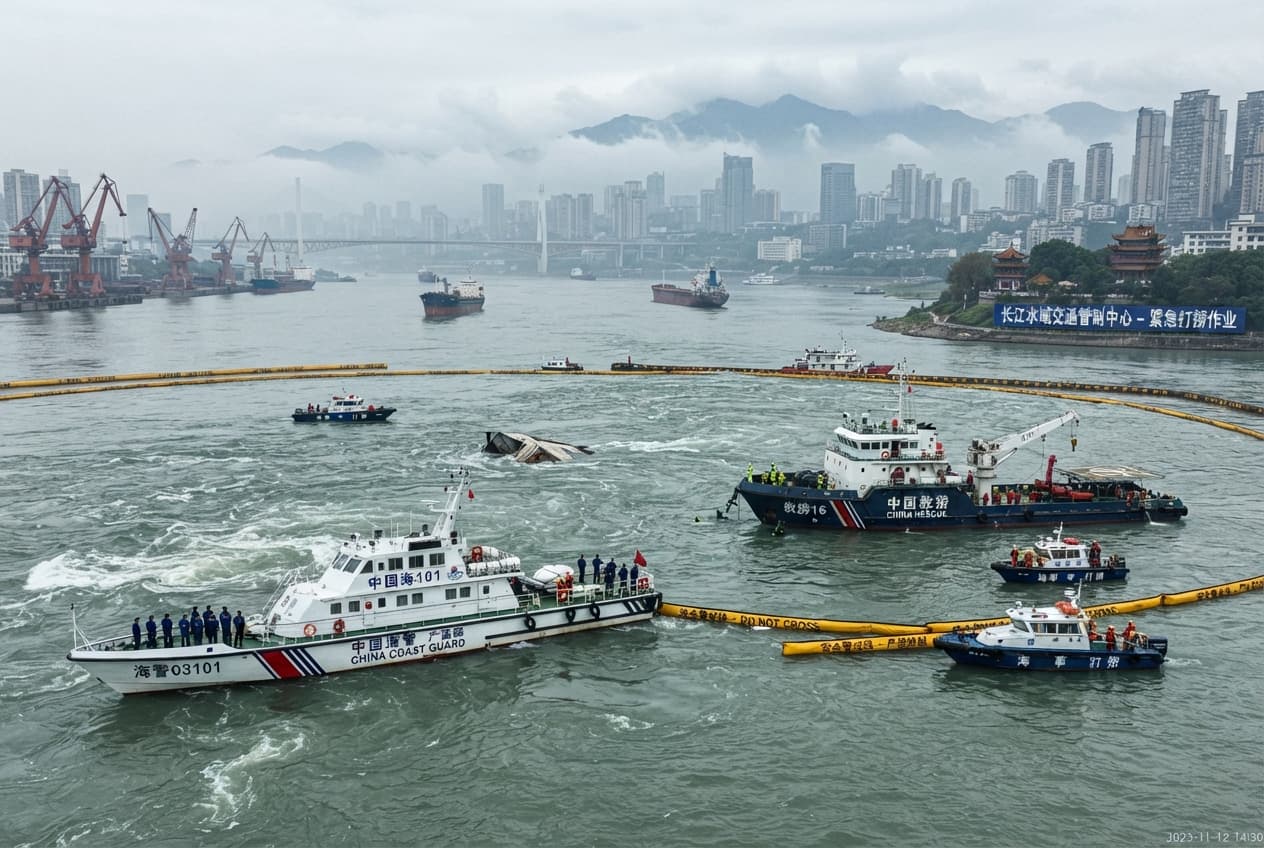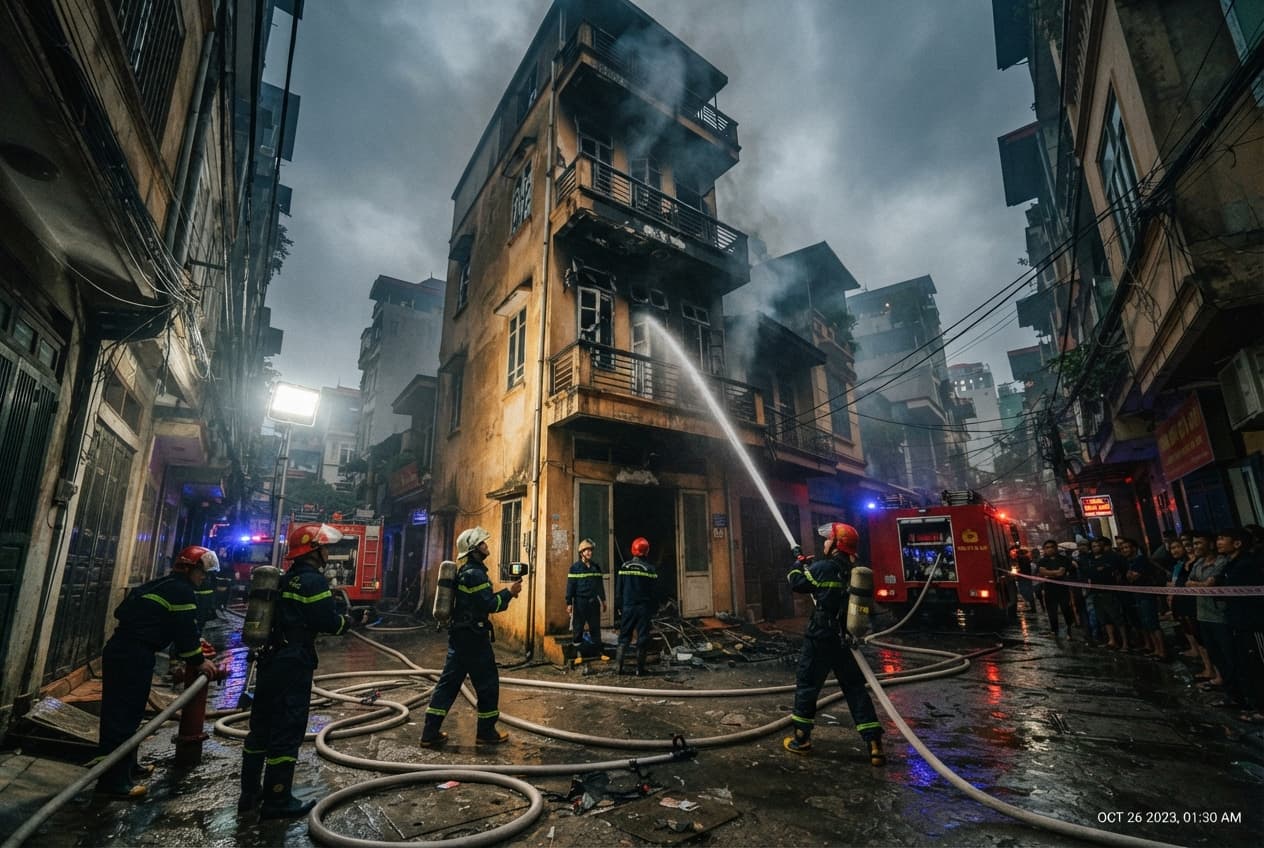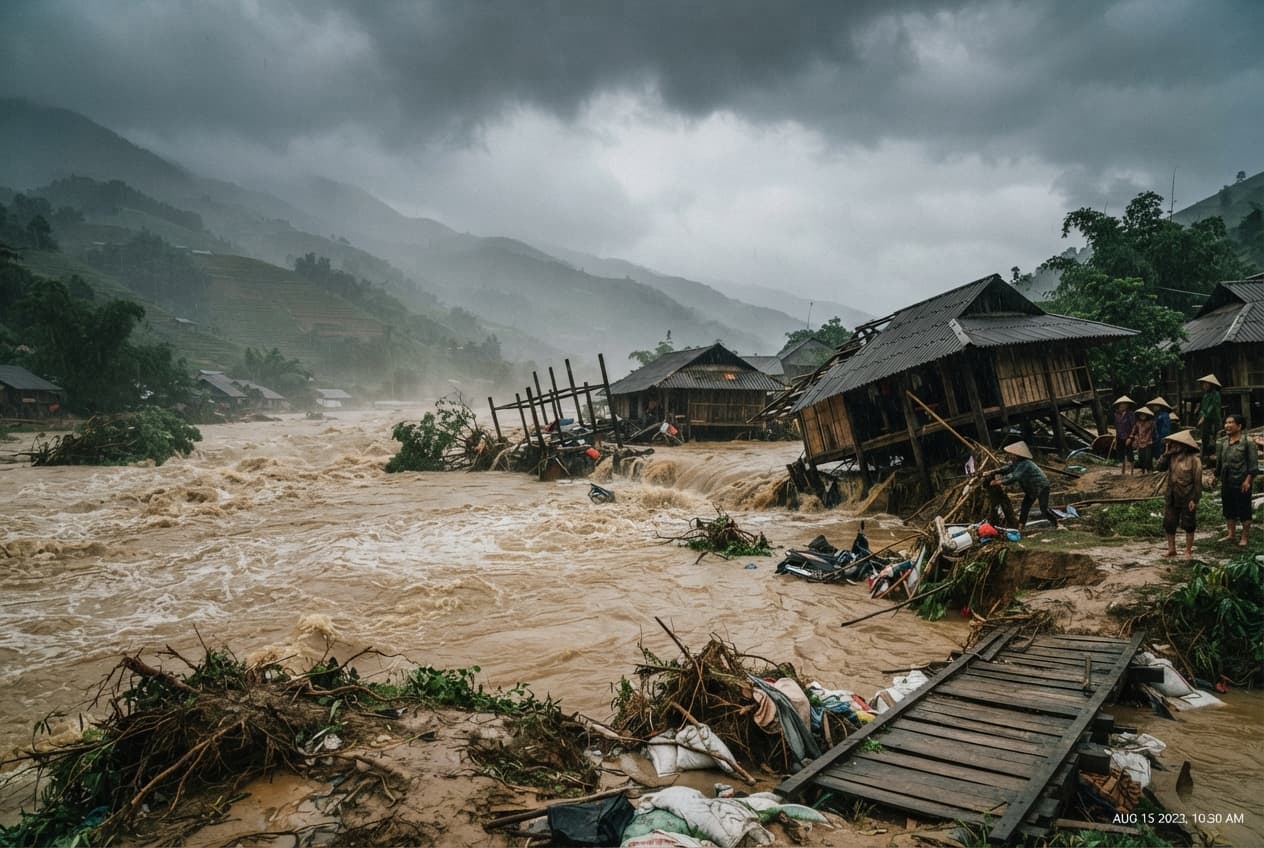
The horizon, once a calm stretch of sea and sky, turned restless as a vast wind-driven visitor arrived. In the days when the clouds gathered above the Visayas and Luzon, the sea seemed to hold its breath, and the land listened. The storm known as Typhoon Kalmaegi moved in, carrying with it not just wind and rain, but stories of homes and lives in its path.
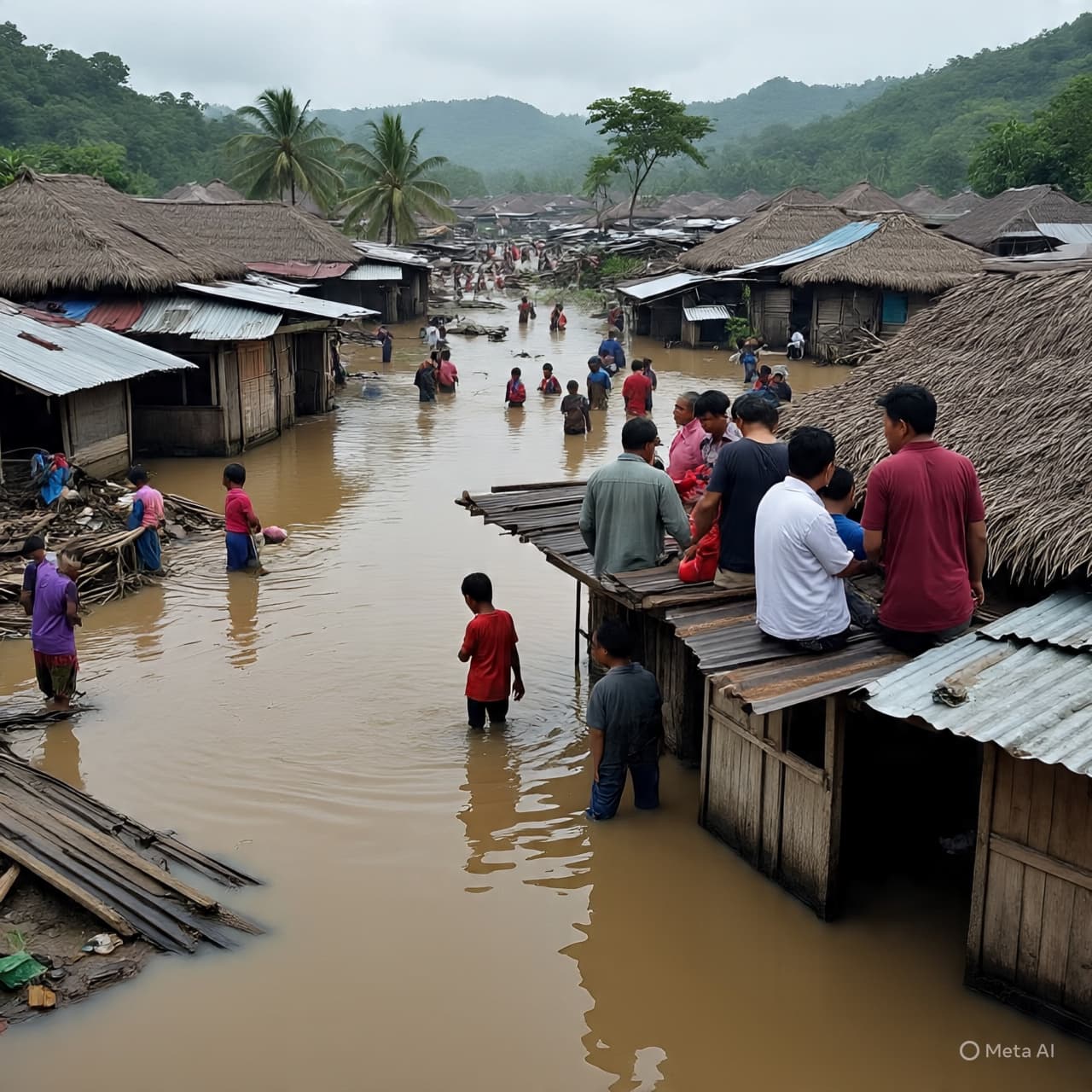
As Kalmaegi sweeps across the central Philippines, the toll is heavy. Official reports say at least 58 people have lost their lives, a number that may yet rise as the waters recede and full assessments emerge. Among those were six military personnel whose helicopter crashed while undertaking a humanitarian mission — a stark reminder that even rescue efforts cannot always outrun nature’s fury. In the province of Cebu, floodwaters rushed through neighborhoods, turning streets into rivers, overturning vehicles, submerging homes, scattering debris. Ten days earlier the earth had shaken in the region; now the skies unleashed their burden as well.
Evacuations numbered in the hundreds of thousands: across Visayas, southern Luzon, northern Mindanao, people were urged to seek safety as Kalmaegi approached. The storm, locally named “Tino,” made landfall, weakened slightly, and then is forecast to regain strength as it moves into the South China Sea and heads toward Vietnam. For the communities already burdened by recent disasters, the prospect of another blow is daunting.
Nature’s patterns remind us of the delicate balance between land and water, between shelter and exposure. In many small villages, the first onslaught of rainfall overwhelmed drainage, in a place where mountains slope steeply and rivers rise fast. According to meteorological data, parts of Cebu experienced rainfalls exceeding monthly averages in a single sweep. Meanwhile, power outages, blocked roads, and stranded residents compounded the crisis: rescuers could not always reach those perched on rooftops, surrounded by floodwaters and debris.
But even in the gloom, there is a quiet strength: neighbours helping neighbours, rescue teams pressing into wind-torn zones, and governments mobilising resources to respond. In the Philippines, disaster-risk agencies and local governments scrambled heavy equipment and assessed damage in quake-hit and storm-hit zones alike. And as Kalmaegi moves toward Vietnam, those communities too are preparing: evacuations are underway, and warnings issued for landslides and flash floods.
The journey of Kalmaegi is a reminder that storms do not respect borders — the wind that lashes an island today may reach another shore tomorrow. The memory of the quake in Cebu lingers, and now the memory of the storm may both haunt and guide the recovery ahead. Amid ruined homes and flooded streets, the quieter work of rebuilding begins: clearing debris, restoring power, ensuring shelter. It is the slow sunrise after the storm’s darkest hour.
In the coming days, attention will shift to Vietnam, as Kalmaegi approaches with the potential to intensify. Officials there are evacuating high-risk areas and preparing for flooding and landslides. The storm’s path is a shadow across seas and mountains, communities and coastlines alike.
AI Image Disclaimer “Visuals are created with AI tools and are not real photographs.”
Sources Reuters The Guardian Al Jazeera People magazine The Straits Times
Published by Banx Network. This article is part of the Banx decentralized media programme, powered by the BXE token on the XRP Ledger.