
Key Highlights
- Oil prices are rising due to renewed geopolitical tensions in the Strait of Hormuz.
- Former President Donald Trump advocates for a coalition to ensure safe passage for tankers.
- The Strait of Hormuz is a critical chokepoint for global oil exports, affecting economies worldwide.
The Strait of Hormuz, a vital maritime corridor in the Persian Gulf, has once again become a focal point of geopolitical tension, leading to rising oil prices and concerns over the safety of shipping routes. This narrow passage, which sees approximately 20% of the world's oil exports, is crucial for connecting Middle Eastern oil fields to global markets. Recent developments have intensified scrutiny on this strategic waterway, prompting reactions from energy markets and political leaders alike.
In light of the escalating situation, former U.S. President Donald Trump has proposed the formation of an international coalition aimed at safeguarding shipping through the Strait of Hormuz. This initiative recalls previous efforts where allied naval forces collaborated to protect commercial vessels from potential threats. The proposal underscores the importance of collective security in maintaining the flow of energy supplies, which are essential for economies around the world.
The geopolitical significance of the Strait of Hormuz cannot be overstated. At its narrowest point, the strait spans only a few dozen miles, yet it serves as a critical chokepoint for oil shipments. Any disruption in this passage can have far-reaching implications, not just for oil producers in the Gulf region but also for consumers and industries across Europe, Asia, and North America. As traders and analysts monitor the situation closely, the mere perception of risk can lead to fluctuations in oil prices, reflecting the interconnected nature of global energy markets.
Energy markets have historically reacted to signs of instability in the region. The current rise in oil prices is a direct response to fears surrounding the safety of maritime transit through the Strait of Hormuz. When tankers hesitate or insurers reconsider routes due to perceived threats, the cost of uncertainty becomes a significant factor in the global energy equation. This dynamic illustrates how closely tied the global economy is to the security of maritime trade routes.
Calls for a coalition to protect the strait highlight a renewed emphasis on international cooperation in safeguarding vital shipping lanes. Past arrangements have seen naval forces from various countries escorting commercial vessels and monitoring potential threats. These operations, while often conducted quietly, serve to reassure shipping companies and mitigate risks associated with navigating through politically sensitive waters.
The political landscape surrounding the Strait of Hormuz is complex, shaped by longstanding tensions between Iran and its neighbors. The strait has been a flashpoint for disputes and military posturing, reminding the world of the delicate balance between commerce and geopolitics. For nations reliant on imported energy, the strait represents a crucial artery that sustains modern economies, fueling transportation systems and influencing the cost of goods in international supply chains.
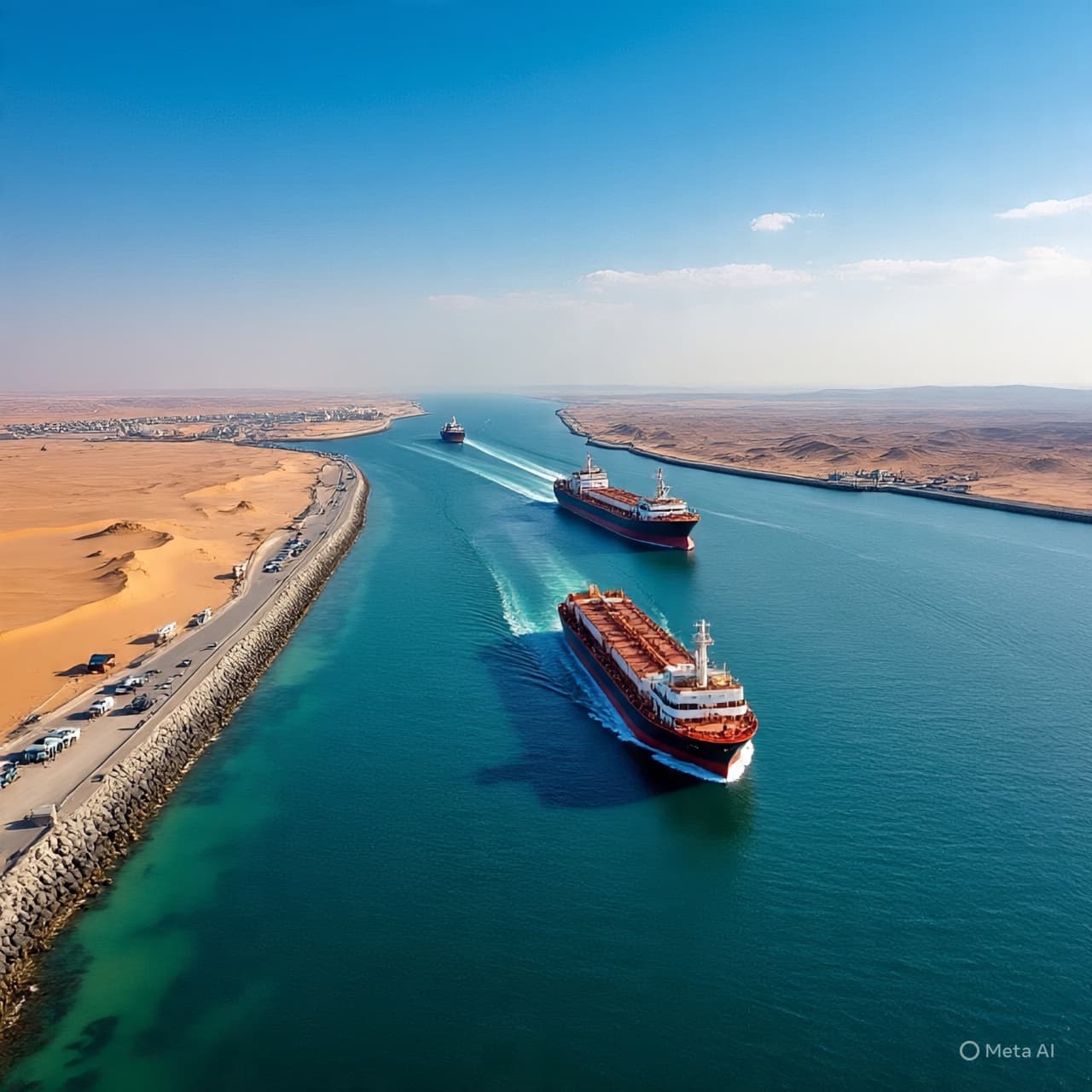
As discussions about potential naval coordination and diplomatic engagement continue, the tankers traversing the strait remain a steady presence. Guided by established maritime protocols, these vessels navigate the narrow waters, underscoring the importance of maintaining open trade routes. However, the wider world watches closely, aware that even minor disruptions in this critical passage can have significant repercussions for the global economy.
In an era where the uninterrupted flow of energy is paramount, the Strait of Hormuz stands as a testament to the intersection of geography, politics, and commerce. Its waters may appear calm on some days, yet the underlying currents of tension and uncertainty continue to shape the dynamics of global markets far beyond its shores.
Published by Banx Network. This article is part of the Banx decentralized media programme, powered by the BXE token on the XRP Ledger.



