
Key Highlights
- Incident:A boat carrying migrants has sunk, leaving at least 250 people missing.
- Community Impact:Among the missing are individuals from various communities, including the Rohingya.
- Ongoing Efforts:Search and rescue operations are currently underway in challenging conditions.
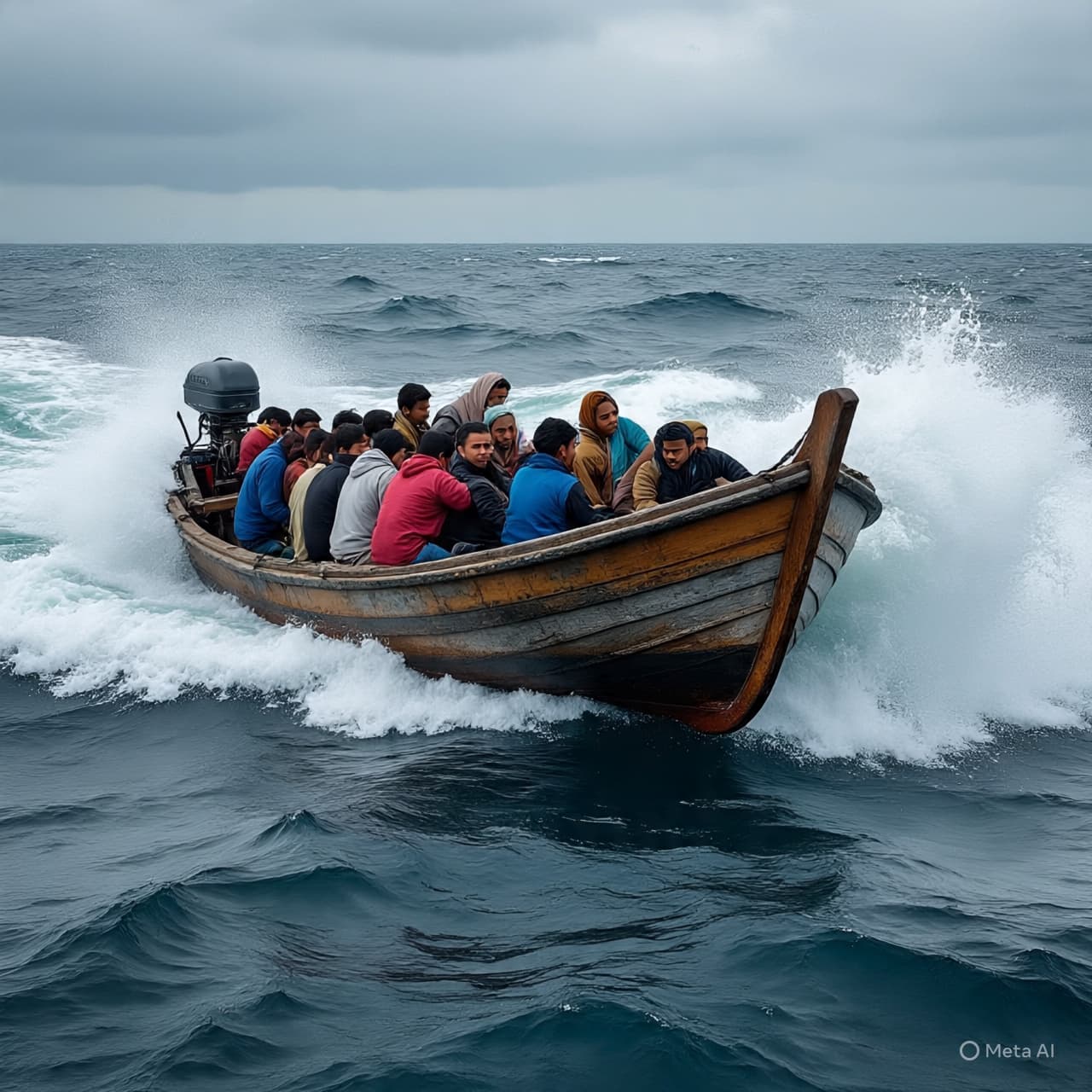
The sea often serves as a pathway for those seeking refuge, yet it is fraught with peril. Recently, a tragic incident unfolded in the waters of Southeast Asia, where a boat carrying migrants sank, resulting in at least 250 individuals reported missing. This incident has drawn significant attention to the ongoing dangers faced by those attempting such perilous crossings, particularly among vulnerable populations like the Rohingya.
The Rohingya, a group that has faced severe persecution and displacement, often embark on these treacherous journeys in overcrowded and unseaworthy vessels. Many have fled dire conditions in their home countries, seeking safety and stability in neighboring regions. The decision to leave is rarely made lightly; it is often a last resort driven by desperation and a lack of viable alternatives.
Initial reports indicate that the vessel encountered distress before it sank, but details remain scarce as search and rescue efforts continue. The vastness of the sea presents significant challenges for rescuers, where time is of the essence and conditions can change rapidly. Families of the missing are left in a state of profound uncertainty, grappling with the emotional toll of waiting for news that may never come.
This incident is not an isolated occurrence but rather part of a troubling pattern that has persisted over the years. Maritime routes in Southeast Asia have seen numerous tragedies involving migrants and refugees, many of whom undertake these journeys without any guarantees of safety. The motivations behind these crossings are complex, often rooted in economic hardship, political instability, and the search for a better life.
International organizations, including the United Nations High Commissioner for Refugees (UNHCR), have called for coordinated responses to address both immediate rescue efforts and the underlying issues that compel individuals to risk their lives at sea. The challenge lies not only in providing immediate assistance but also in addressing the root causes of displacement, which require collaboration among multiple countries and stakeholders.
Each statistic reported—such as the 250 missing—represents real individuals with unique stories, hopes, and dreams. The human dimension of this tragedy cannot be overlooked; it serves as a stark reminder of the ongoing refugee crisis and the urgent need for comprehensive solutions. As search operations continue, the focus remains on the possibility of survivors, even as the scale of the incident underscores the difficulties faced by rescuers.
In the aftermath of such tragedies, there is a collective recognition of the stakes involved—not just in the search for the missing, but in the broader effort to understand and address the conditions that lead to such desperate journeys. The sea, while vast and indifferent, holds the stories of those who seek safety and the challenges they face in their pursuit of a better life.
As the situation develops, updates will emerge, shedding light on the fate of those missing and the ongoing efforts to prevent such tragedies in the future. The hope remains that some may still be found, and that the international community will take meaningful action to address the root causes of these perilous crossings.
Published by Banx Network. This article is part of the Banx decentralized media programme, powered by the BXE token on the XRP Ledger.



