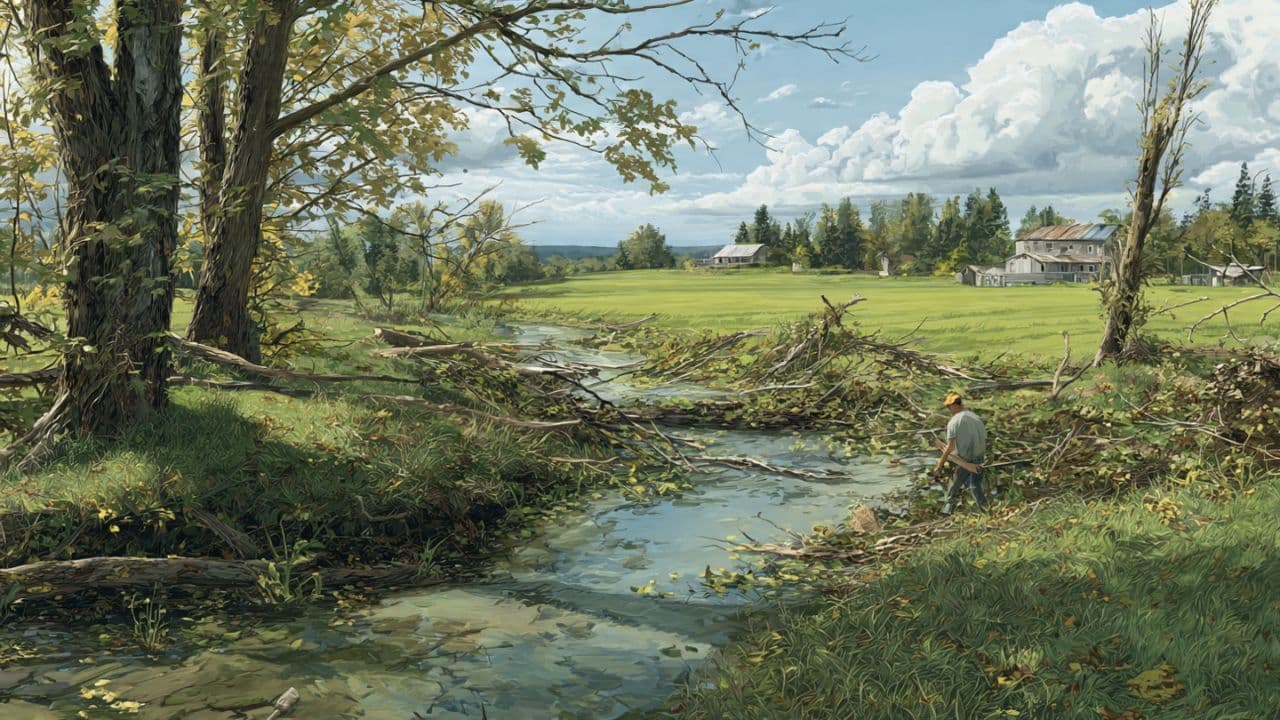
The southern coastline of Moheli is defined by its rich ecological balance, where dense mangrove systems meet small agricultural plots and coastal palm groves. The communities along this shore rely on a network of low-lying footpaths and dirt tracks to travel between villages and tend to fields of vanilla, ylang-ylang, and sweet potatoes. Protected under normal conditions by the extensive outer coral reefs of the marine park, these coastal flats serve as both an economic foundation and a primary transit corridor for the rural population.
Yet, when the seasonal spring tides coincide with strong onshore winds driven by a regional low-pressure system, the ocean regularly breaches the natural sand ridges. The rising water pushes through the mangrove channels and spills into the lower agricultural fields, covering the footpaths with a shallow layer of saltwater. This tidal surge advances quietly but steadily, turning the dry coastal tracks into temporary networks of shallow, briny canals that disrupt local travel and threaten sensitive crops.
For the farmers and residents working the coastal plots during the midday high tide, the encroaching water required prompt action to protect their seasonal investments. Laborers worked quickly to dig makeshift soil berms around young vanilla vines, while others gathered harvested coconuts and tools to carry them to higher ground. The response was calm and orderly, demonstrating the deep familiarity that these coastal farmers have with the predictable cycles of the sea.
The community effort focused heavily on clearing natural drainage paths to ensure the saltwater could recede quickly once the tide turned. Tangles of fallen palm fronds, sea grass, and driftwood brought in by the high water were pulled from the culverts using simple hand tools. The cooperative spirit among the villagers ensured that the main walking tracks between the fields remained clear of heavy obstructions, preventing long-term water retention in the soil.
By the time the tide reached its peak in the early afternoon, the southern flats presented a unique landscape of water and greenery. The primary footpaths were submerged under several inches of clear seawater, reflecting the canopy of the overhanging palms. Small waves lapped gently against the edges of the fields, showing the delicate and constantly shifting boundary between the land and the ocean.
The work of restoring the pathways and checking the crops began as soon as the ocean started its retreat toward the barrier reef. Farmers returned to their plots to inspect the soil, using simple drainage trenches to clear the remaining pools of water away from the root systems. It is a necessary, mud-slicked task that highlights the constant attention required to farm successfully on the edge of a dynamic marine environment.
Beneath the immediate logistical challenge of managing the tidal wash lies a deeper look at the resilience of the island’s rural populations. The flooding is not viewed as an isolated disaster, but as an environmental reality that shapes the calendar of coastal agriculture. The crops and fields are managed with these marine rhythms in mind, demonstrating an enduring balance between human livelihood and natural forces.
By the late evening, the tide had drawn back completely beyond the outer mudflats, leaving the coastal soil damp and rich with the scent of salt and turning earth. The cool night air settled over the quiet groves, and the footpaths dried out under the rising moon. The southern coast returned to its familiar quiet, the gentle murmur of the distant reef indicating the restoration of the normal coastal order.
The Moheli Regional Environmental Directorate confirmed that the spring tide caused temporary localized flooding across approximately three hectares of coastal margins, with no permanent damage reported to homes or infrastructure. Local agricultural extension officers are conducting routine soil salinity assessments to assist farmers in the affected sectors. The meteorological station predicts that tidal heights will return to standard seasonal baselines over the next three days.
Published by Banx Network. This article is part of the Banx decentralized media programme, powered by the BXE token on the XRP Ledger.