
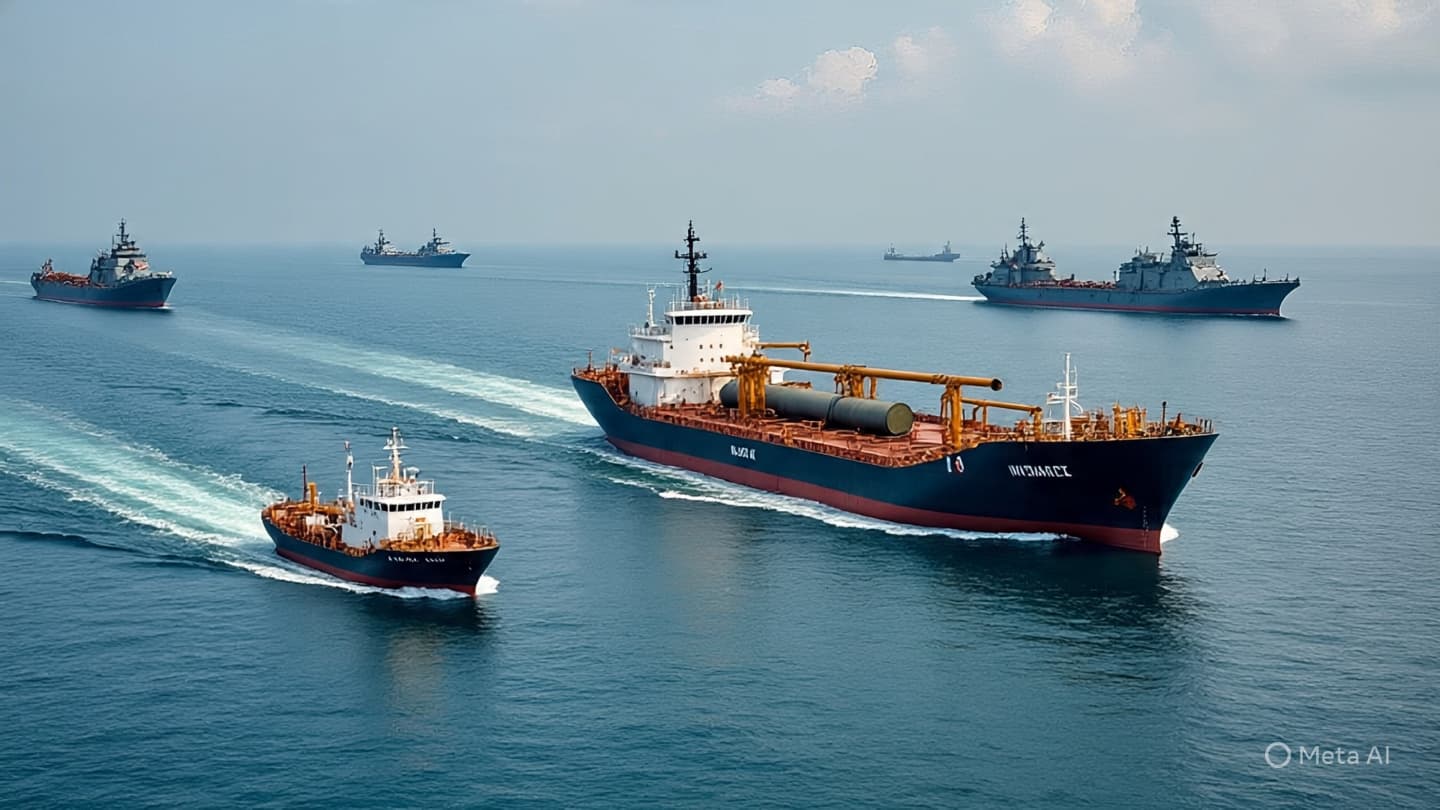
Key Highlights
- Iran warns of potential blockade in the Persian Gulf, escalating tensions.
- The region is crucial for global energy supply, impacting oil markets.
- Increased U.S. naval presence aims to ensure freedom of navigation.
Iran’s recent warning to block export and import routes across the Persian Gulf marks a significant escalation in an already fragile geopolitical landscape. This statement comes amid heightened tensions with the United States, particularly surrounding maritime access and sanctions enforcement. Tehran has framed this potential move as a defensive response, should Washington continue its blockade strategies.
The Persian Gulf is one of the most critical arteries for global energy supply, with a significant percentage of the world’s oil exports flowing through this region. It connects oil producers in the Middle East to markets in Asia, Europe, and beyond. Any disruption, even if temporary, risks triggering ripple effects across global energy markets, affecting prices and availability.
Iranian officials have emphasized that such a blockade would not be undertaken lightly. However, they have also underscored their readiness to act if economic pressure intensifies. This rhetoric reflects a broader strategy of deterrence, aiming to signal both capability and intent without immediate execution. The Iranian government appears to be leveraging its position to negotiate from a place of strength, despite the economic challenges it faces due to sanctions.
On the other hand, the United States has maintained its stance on enforcing sanctions and limiting Iran’s economic reach. The U.S. naval presence in the region has increased in recent years, often framed as a measure to ensure freedom of navigation. This dual narrative—protection versus pressure—has contributed to a cycle of escalation, where both sides are engaged in a high-stakes game of signaling.
Energy analysts warn that even the threat of disruption can significantly affect oil prices and shipping insurance rates. Markets are highly sensitive to geopolitical risks, particularly in chokepoints like the Gulf. Traders often respond not just to actions but also to words that suggest potential instability, making the current situation particularly precarious.
Regional actors, including Gulf states, have expressed concern over the implications of such tensions. Many of these nations rely heavily on stable maritime routes for their economic lifelines. As a result, diplomatic efforts, both public and behind closed doors, are likely intensifying to prevent further deterioration of the situation. The stakes are high, as any miscalculation could lead to significant economic and political fallout.
Historically, the Persian Gulf has seen moments of confrontation, but it has also experienced periods of uneasy stability. The current situation appears to sit at a delicate intersection of both, where strategic signaling may either lead to negotiation or miscalculation. For now, the waters remain open, but the tone has shifted. The question is not only whether a blockade will occur but how long the region can sustain this level of tension without consequence.
Published by Banx Network. This article is part of the Banx decentralized media programme, powered by the BXE token on the XRP Ledger.



