
Key Highlights
- U.S. Seizure: An Iranian vessel was intercepted and seized in the Strait of Hormuz.
- Diplomatic Strain:Iran's response signals a refusal to engage in negotiations.
- Market Impact:Oil prices fluctuate as global shipping routes face uncertainty.
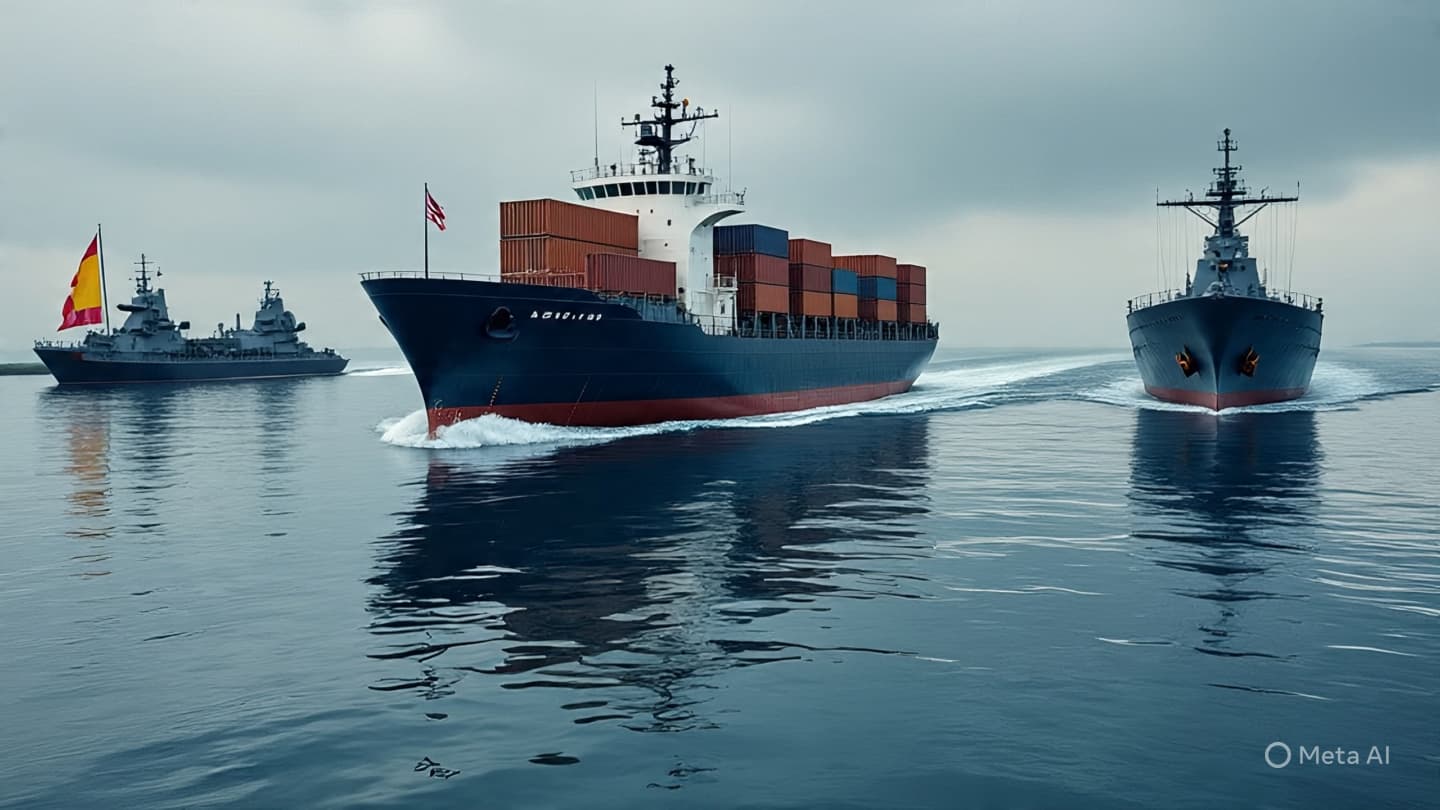
The Strait of Hormuz, a crucial maritime corridor for global oil transport, has once again become a focal point of international tension. Recently, the United States seized an Iranian ship that was allegedly attempting to bypass a naval blockade. This incident not only highlights the ongoing geopolitical struggles in the region but also raises questions about the future of diplomatic relations between the U.S. and Iran.
According to U.S. officials, the vessel was intercepted after failing to heed warnings about the blockade, which has been a response to escalating tensions in the area. The seizure of the ship marks a significant escalation in the ongoing conflict, as it underscores the fragile nature of maritime security in one of the world's most vital shipping lanes.
Iran's reaction to the seizure has been one of defiance. Officials in Tehran have condemned the action, framing it as a violation of international norms. Rather than seeking immediate diplomatic resolution, Iran has distanced itself from negotiations that had previously shown promise. This refusal to engage suggests a deeper fracture in trust between the two nations, complicating any potential for dialogue.
The timing of this incident is particularly concerning. With a ceasefire in place that is already under strain, the seizure could jeopardize any progress made towards de-escalation. Both sides appear to be repositioning themselves, not just in military terms but also in their public rhetoric. The U.S. maintains its stance on the blockade, while Iran's reluctance to negotiate raises alarms about the potential for further conflict.
As the world watches, the implications of this event extend beyond immediate military concerns. Oil prices have already begun to react to the news, reflecting the interconnectedness of geopolitical events and global markets. The Strait of Hormuz, through which a significant portion of the world's oil supply passes, serves as a reminder of how geography can amplify tensions and influence economic stability.
This incident is not merely a singular event; it represents a complex interplay of enforcement, resistance, and the broader implications for international relations. The sea, while appearing calm on the surface, is fraught with meaning and uncertainty. As both nations navigate this delicate situation, the international community remains vigilant, aware that the next steps could lead either to renewed dialogue or further escalation.
In the coming days, the focus will be on how both the U.S. and Iran choose to respond. With the ceasefire nearing its expiration, the stakes are high, and the potential for conflict looms large. The world will be watching closely as this situation unfolds, hoping for a resolution that prioritizes peace over provocation.
Published by Banx Network. This article is part of the Banx decentralized media programme, powered by the BXE token on the XRP Ledger.



