There was a quiet evening along the ocean in northern Japan when the ground beneath the waves shifted. The horizon, usually so steady, flickered for a moment as the sea responded in subtle tremors. At 5:03 p.m. local time on Sunday, an earthquake of magnitude 6.9 struck off the coast of Iwate Prefecture, at a depth of about 16 km. The quake triggered a tsunami advisory, with warnings that waves up to one metre — and in some places even as high as three metres — might strike the northern coastline. People along the coast felt the tremor, train services were delayed, and coastal areas were told to move away from the sea.
In the hours that followed, nature offered a quieter response. Waves of around 10 to 20 centimetres were measured at places like Ofunato and Kuji, rather than the larger surges that had been feared. After about three hours, the advisory was lifted. Officials emphasised that the immediate danger had receded but cautioned that aftershocks and further strong shakes could follow over the next few days. No injuries or major damage were reported in the initial check, and there were no abnormalities at nearby nuclear plants.
Though the advisory is lifted, the event serves as another reminder of how this region lives with ever-present risks. Japan, situated along the Pacific “Ring of Fire,” regularly experiences seismic activity, and the memory of the 2011 quake and tsunami still looms.
In truth, the lifting of the advisory is a relief but not the end of the story. Communities remain vigilant, scientists continue to monitor, and the coastline remains on alert. The sea’s voice may have quieted for now, but the tremors beneath sustain a low hum of caution.
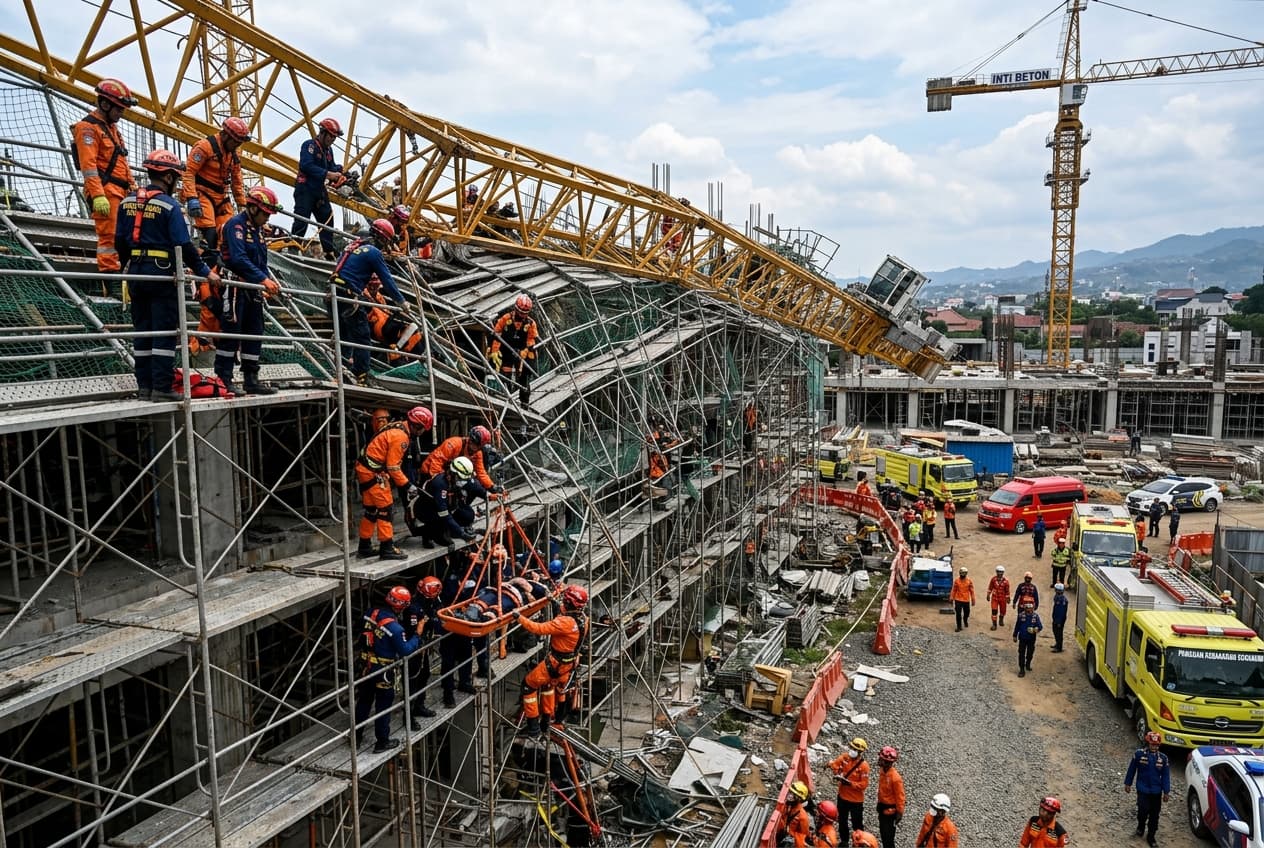
AI Image Disclaimer Graphics are AI-generated and intended for representation, not reality.
Sources Associated Press Indian Express Business Standard Newsweek CBS News
Published by Banx Network. This article is part of the Banx decentralized media programme, powered by the BXE token on the XRP Ledger.