
Key Highlights
- Earthquake Magnitude:A 7.4 magnitude quake struck off Ternate, Indonesia.
- Tsunami Warning:Authorities issued a tsunami warning shortly after the quake.
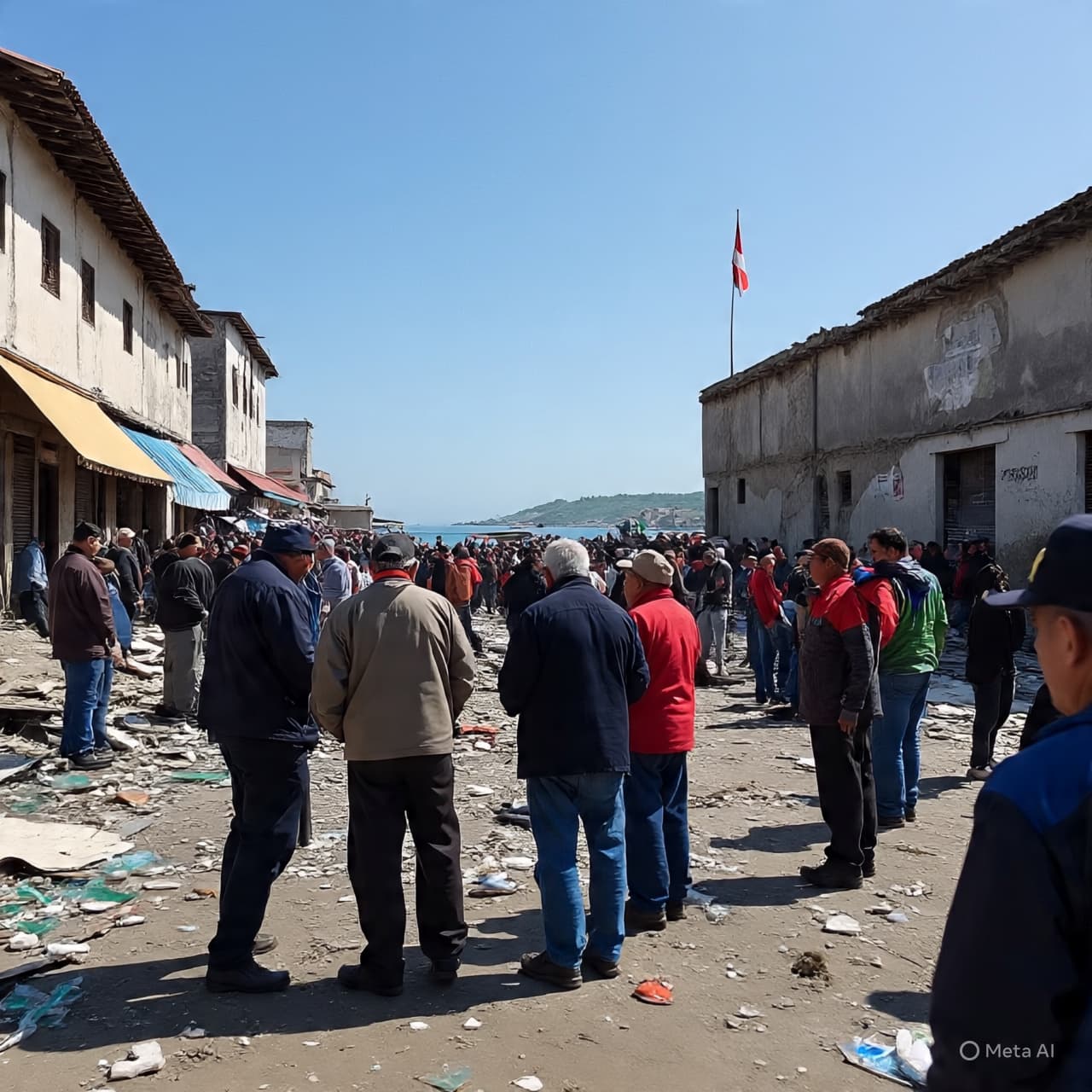
- Structural Damage:Several buildings reported damage in coastal communities.
On a seemingly ordinary morning, the horizon off the coast of Ternate, Indonesia, appeared unchanged. The sea lay calm, and the land rested beneath the feet of those who walked upon it. Yet, beneath this stillness, the earth was alive with unseen movements. On October 14, 2023, a powerful 7.4 magnitude earthquake erupted beneath the sea, sending tremors through water and stone, reaching coastal communities with a force that felt both sudden and deeply rooted.
In the North Maluku region, the quake's intensity was palpable, causing buildings to sway and walls to crack. Residents instinctively stepped outdoors, seeking reassurance in one another's presence as the ordinary rhythm of daily life was disrupted. The earthquake's impact was felt widely, with reports of structural damage in several areas. Homes and local buildings bore visible signs of strain, some partially collapsing, while others were left weakened in ways not immediately apparent.
As the earth shifted, the sea responded. Authorities quickly issued a tsunami warning, urging coastal communities to remain vigilant. The threat of rising waters added a layer of uncertainty, transforming shorelines—typically places of livelihood—into points of watchfulness. Although modest waves did form, the threat did not escalate, and the tsunami warning was eventually lifted, allowing a cautious sense of relief to return to the affected areas.
However, the event did not conclude with the initial quake. Aftershocks followed, smaller tremors echoing the main quake like distant footsteps. Each aftershock served as a reminder that such geological events unfold in sequences rather than isolated moments, requiring patience and attentiveness from those affected. Emergency teams and local authorities moved through impacted areas, assessing damage and encouraging vigilance, particularly around compromised structures.
Indonesia's location along the Pacific Ring of Fire means that earthquakes are a common occurrence, part of a broader geological narrative that has shaped its islands over centuries. Yet, each quake is a deeply personal experience for those who endure it. The numbers—7.4 magnitude, wave heights, aftershock counts—provide a scale, but they do not capture the full story. That narrative lives in the quiet gestures that follow: neighbors checking on one another, families gathering outside their homes, and communities instinctively working to restore a sense of normalcy.
In the hours following the quake, conditions gradually stabilized. The tsunami warning was lifted, and no widespread coastal flooding was reported. Authorities continued to monitor the situation, and damage assessments were ongoing. Residents were advised to remain cautious as aftershocks persisted. Life, though briefly interrupted, began to move forward again—carefully, and with a renewed awareness of the ground beneath them.
Published by Banx Network. This article is part of the Banx decentralized media programme, powered by the BXE token on the XRP Ledger.



