
Key Highlights
- Current Status:Tropical Storm Hagupit is intensifying and moving westward.
- Wind Speed:Maximum sustained winds of 65 km/h with higher gusts.
- Preparedness:Local agencies are on high alert for potential impacts.
Tropical Storm Hagupit is currently making its way across the Philippine Sea, gathering strength as it approaches the archipelago. With maximum sustained winds of 65 kilometers per hour, the storm is expected to intensify further as it feeds on the warm waters of the Pacific Ocean. At present, it is over 2,000 kilometers from the nearest coastline, yet its impending arrival has already prompted local disaster agencies to activate their emergency protocols.
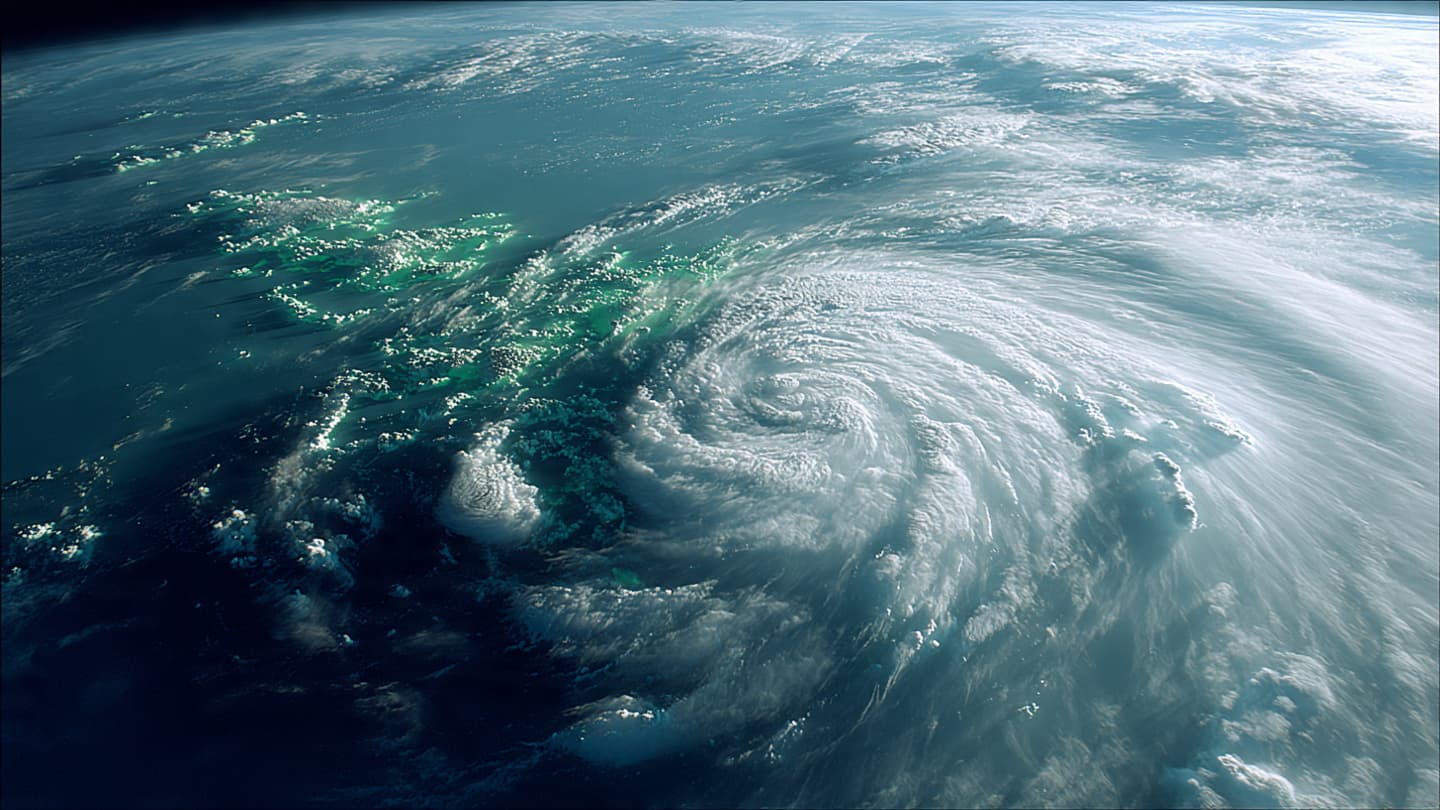
As the storm progresses, the Philippine Atmospheric, Geophysical and Astronomical Services Administration (PAGASA) has issued advisories that are being closely monitored by residents and officials alike. The storm's trajectory indicates a westward movement at a speed of 20 kilometers per hour, allowing it ample time to strengthen. Satellite imagery shows a more organized storm structure, suggesting that Hagupit is on the verge of becoming a more formidable cyclone.
In preparation for Hagupit's arrival, communities in Mindanao and the Visayas are bracing for potential disruptions. Farmers and fisherfolk are taking precautionary measures, securing boats and reinforcing structures to withstand the storm's impact. The atmosphere is charged with a mix of anxiety and resilience as families prepare for what is often a shared experience in the region. The cultural significance of storm preparation is deeply rooted in the local way of life, where each storm brings both challenges and opportunities for community solidarity.
As the weekend approaches, the focus shifts to the specific areas likely to experience the storm's initial impact. The PAGASA advisories are critical for residents, providing updates on potential flash floods and landslides. The Philippines, with its diverse geography, faces unique challenges during tropical storms, where heavy rainfall can lead to rapid flooding in low-lying areas. The local government units are mobilizing resources and personnel to ensure that evacuation routes are clear and shelters are prepared for those in need.
In command centers across the region, officials are making crucial decisions regarding evacuations and resource allocation. The unpredictability of tropical storms necessitates a proactive approach, as the cost of hesitation can be dire. The community's safety relies on timely communication and effective response strategies, underscoring the importance of preparedness in mitigating the storm's impact.
As the first bands of rain from Hagupit begin to reach the eastern shores, the reality of the storm becomes palpable. Residents are reminded of the dual nature of the tropical environment, where the beauty of the landscape is often accompanied by the threat of natural disasters. The storm serves as a reminder of the Philippines' vulnerability to climate phenomena, but also of the strength and resilience of its people.
In the face of adversity, the social fabric of the Philippines is woven tighter. Neighbors come together to support one another, sharing resources and offering comfort. The experience of weathering storms is a collective one, fostering a sense of community that is vital during such challenging times. As Hagupit approaches, the hope for safety remains strong, alongside a deep respect for the power of nature.
Published by Banx Network. This article is part of the Banx decentralized media programme, powered by the BXE token on the XRP Ledger.



