
Key Highlights
- Shipping in the Azov Sea has been suspended by Russia due to drone attacks.
- Ukrainian drones target Russian tankers, disrupting military logistics.
- The halt in maritime traffic affects local economies and international markets.
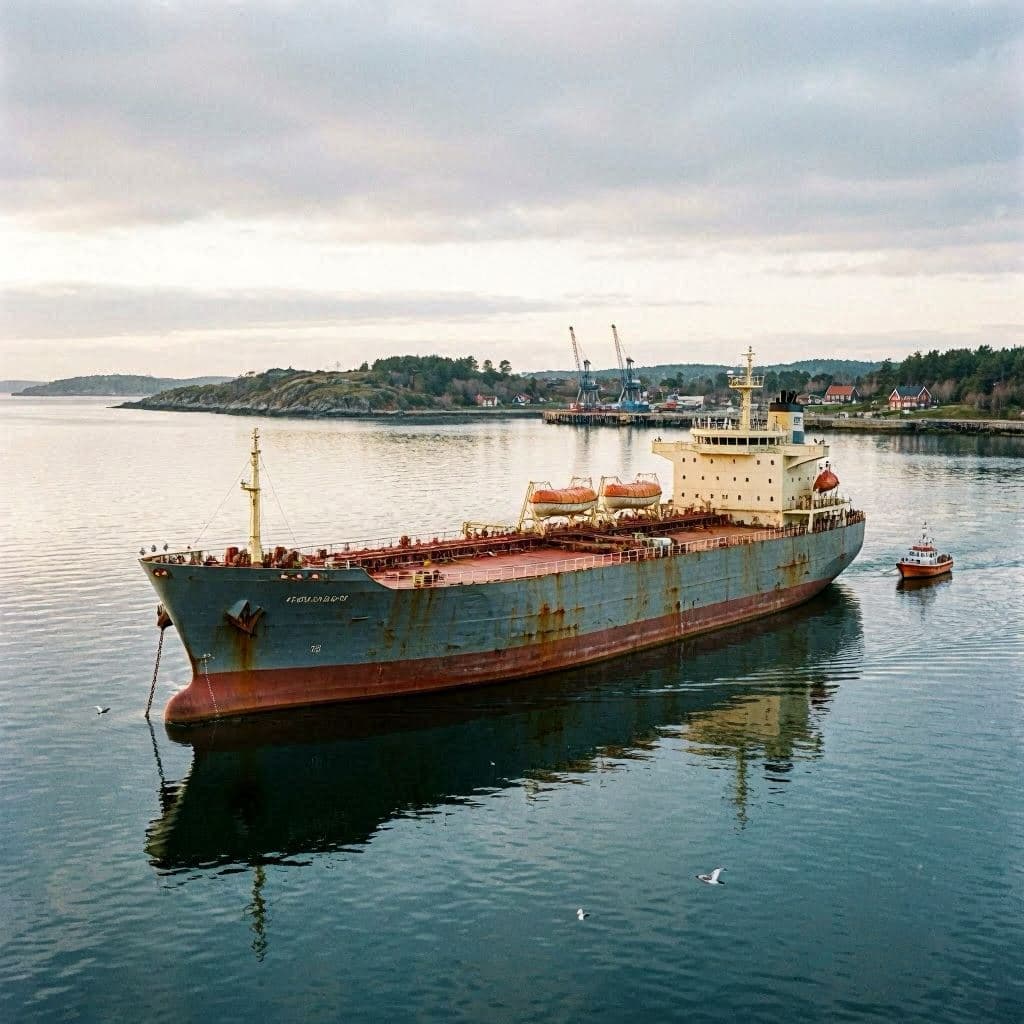
The sea, once a conduit for commerce and connection, can quickly become a zone of contention when conflict arises. In the Azov Sea, shipping activities have come to a halt as Russia responds to an intensifying campaign by Ukrainian drones targeting its tanker fleet. This disruption underscores the far-reaching impact of modern warfare on global supply chains and regional stability.
Ukraine’s use of unmanned aerial vehicles has evolved into a sophisticated strategy aimed at degrading Russia’s logistical capabilities. By striking oil tankers and transport vessels, Kyiv seeks to limit the flow of resources that support military operations. These attacks, often launched from concealed positions, have proven difficult to intercept, forcing Russian authorities to take defensive measures. The effectiveness of these drone strikes has raised alarms within the Russian military, prompting a reevaluation of their maritime security protocols.
In response, Russia has suspended maritime traffic in certain areas of the Azov Sea, citing security concerns. This decision affects not only military logistics but also civilian trade, impacting local economies and international markets. The halt in shipping creates bottlenecks and uncertainties, rippling through the energy sector and beyond. The suspension has led to increased shipping costs and delays, as vessels are rerouted to avoid the conflict zone, further straining supply chains already affected by the ongoing war.
The Azov Sea is a critical waterway, connecting key ports and facilitating the movement of goods. Its closure highlights the vulnerability of maritime infrastructure in conflict zones. For sailors and shipping companies, the risk of drone attacks has made navigation perilous, leading to increased insurance costs and operational delays. The situation has forced many shipping companies to reconsider their routes and the safety of their crews, adding another layer of complexity to maritime operations in the region.
International observers watch these developments with concern, noting the potential for escalation. The targeting of commercial vessels raises questions about the rules of engagement and the protection of non-combatant interests. Diplomatic efforts to ensure safe passage for humanitarian and civilian cargo face significant challenges in this volatile environment. The international community is urged to intervene to prevent further escalation and to protect civilian maritime activities.
For the communities dependent on sea trade, the suspension is a hardship. Fishermen, traders, and port workers find their livelihoods disrupted, adding to the human cost of the conflict. The situation serves as a reminder that war’s effects extend far beyond the battlefield, touching everyday lives in profound ways. Local economies that rely heavily on fishing and shipping are now facing severe downturns, with many families struggling to make ends meet.
As the drone campaign continues, the balance of power in the region shifts subtly. It demonstrates how asymmetric warfare can influence strategic decisions, forcing larger powers to adapt their tactics. The future of shipping in the Azov Sea remains uncertain, tied to the broader trajectory of the conflict. Analysts predict that unless a diplomatic resolution is reached, the situation may worsen, leading to further disruptions in maritime trade.
Closing: Russia has halted shipping in the Azov Sea following a series of Ukrainian drone attacks on its tanker fleet. The move highlights the impact of asymmetric warfare on maritime logistics and regional trade, raising concerns about security and economic stability.
Published by Banx Network. This article is part of the Banx decentralized media programme, powered by the BXE token on the XRP Ledger.



