
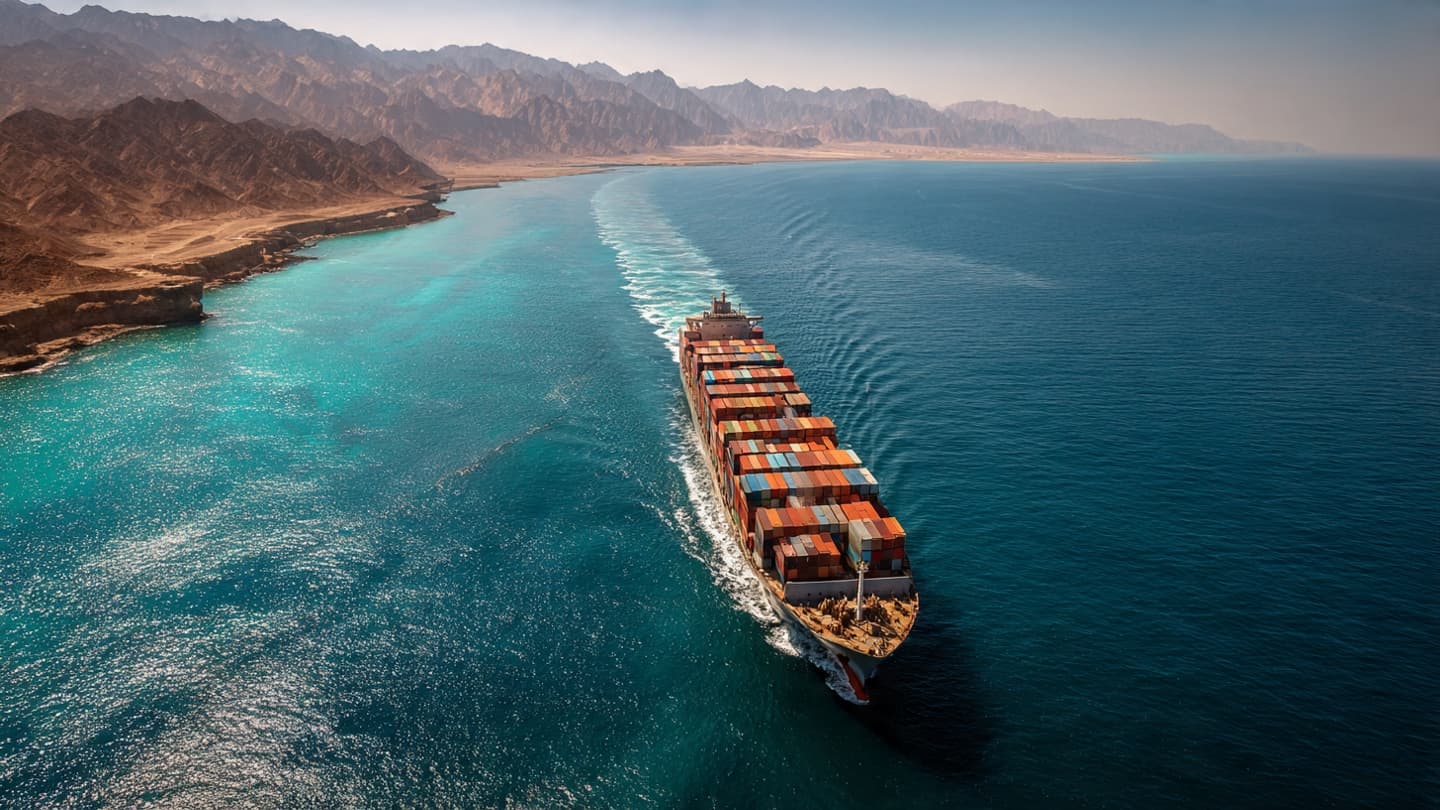
Key Highlights
- Easing of maritime restrictions in the Middle East boosts trade.
- Shipping companies and energy markets react positively to developments.
- Ongoing geopolitical challenges remain despite improved conditions.
The sea has long served as both a bridge and a boundary, facilitating commerce, culture, and connection across centuries. Recent developments in Middle Eastern waters have offered a measure of relief after restrictions affecting maritime traffic were lifted, a change that has garnered significant attention from governments, shipping companies, and energy markets worldwide.
The decision to ease restrictions is particularly impactful given that maritime corridors in the region are among the most strategically important waterways on the planet. These routes support the movement of goods, raw materials, and energy supplies across continents, making their stability crucial for global trade.
Officials involved in the discussions emphasized the importance of maintaining freedom of navigation and ensuring the safe movement of commercial vessels. The lifting of restrictions is expected to alleviate concerns among shipping operators regarding potential disruptions, which can have far-reaching consequences for global supply chains.
Global trade networks rely heavily on predictability. When uncertainty affects major shipping routes, transportation costs can rise, and supply chains may experience delays. Analysts note that even short-lived disruptions can influence market sentiment, particularly in sectors linked to energy and manufacturing. The recent easing of restrictions is seen as a positive development that could enhance operational conditions for shipping companies.
Energy markets have closely monitored developments in the Middle East, a critical source of global oil and gas exports. The stability of maritime routes in this region is a matter of international economic interest, prompting traders and policymakers to assess the implications for future supply conditions. The recent changes are expected to foster a more stable environment for energy trading.
Diplomatic engagement has played a significant role in reaching this outcome. Various regional and international actors have supported efforts aimed at reducing tensions and preserving stability in strategic waterways. Such cooperation is essential for avoiding unintended escalation and ensuring that maritime routes remain open and secure.
Shipping industry representatives have welcomed the signs of improved operating conditions. Commercial operators generally favor environments where risks can be assessed more clearly and routes remain accessible without additional uncertainty. The lifting of restrictions is a constructive step toward achieving this goal.
Despite the positive developments, observers caution that broader regional challenges remain. Maritime security continues to be influenced by political developments, security concerns, and shifting geopolitical relationships throughout the region. As vessels continue their journeys across some of the world's busiest waters, many stakeholders will be watching closely to see whether these calmer conditions can be sustained over the long term.
As the maritime landscape evolves, the implications of these changes will resonate across global trade networks, impacting everything from shipping costs to energy prices. The hope is that this newfound stability will pave the way for a more predictable and secure maritime environment in the future.
Published by Banx Network. This article is part of the Banx decentralized media programme, powered by the BXE token on the XRP Ledger.



