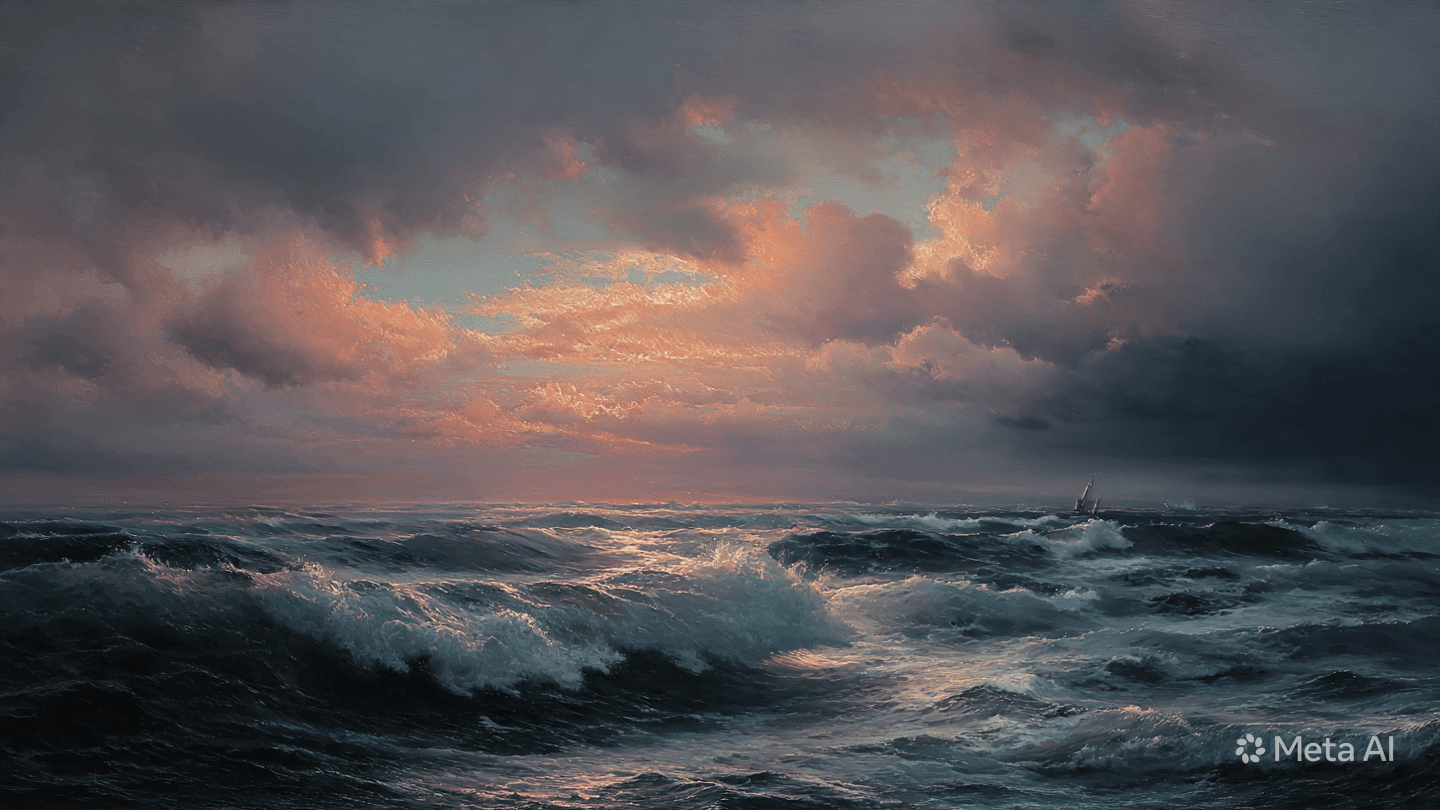
The ocean is often marketed as a backdrop for leisure—a space for vacation, for memory-making, and for the quiet pursuit of beauty. When a boat capsizes in rough seas, the transition from that idyllic image to the stark, cold reality of a search and rescue operation is profound. The uncertainty surrounding the missing tourists creates a vacuum of information that pulls the entire local community into a state of tense, synchronized waiting. It is a moment that reminds us how thin the line is between the pleasure of the voyage and the raw, unpredictable power of the elements.
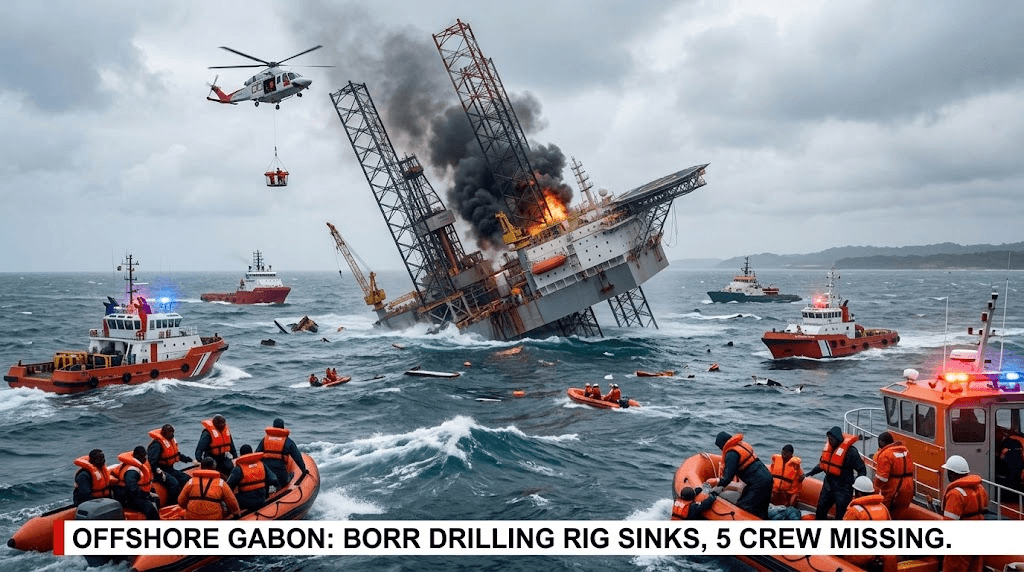
For the families of those missing, the passage of time becomes a heavy, agonizing weight. The emergency teams, moving through the choppy waters with spotlights and sonar, represent the collective effort to turn that uncertainty into clarity. Their work—a blend of technical precision and human endurance—is a reflection of the deep-seated hope that even in the face of such overwhelming odds, the sea might offer a return. It is a task performed in the silence of the night, driven by the unwavering commitment to bring people home.
The investigation that begins even as the search continues is a process of disciplined, forensic inquiry. Authorities are piecing together the timeline: the weather warnings, the vessel’s maintenance, the passenger protocols. It is a necessary, analytical pursuit, aimed at understanding why the sea’s inherent volatility was not adequately mitigated. It is a process performed with a heavy heart, acknowledging that the outcome of the search is the only truth that truly matters to those waiting on the shore.
This event serves as a focal point for the wider discourse on maritime safety in tourist zones. It forces us to confront the balance between the demand for adventure and the reality of the risks involved. When a disaster occurs, it is felt as a lapse in the collective commitment to the safety of our visitors, a reminder that the environment we promote is one that must be respected with rigorous, life-saving standards.
The search remains the absolute priority, guided by the coordinated efforts of local coast guards, rescue agencies, and volunteers. As the teams push deeper into the search grid, they are bolstered by the hope of every witness and every family member waiting for news. It is a process of restoration, an attempt to bring a measure of truth to a situation that was born of the collision between human intent and the vast, shifting power of the ocean.
In the days following, the site of the capsizing will be a place of quiet reflection for those who worked the search. The coastal communities will continue their motion, the waves will keep rolling, and the tourists will return, but the memory of the incident will remain, a soft, persistent reminder of the care that must accompany our interactions with the sea. It is a testament to the importance of vigilance, not just by the authorities, but by each of us, in fostering a culture of safety.
Search operations are ongoing, with emergency teams deploying advanced maritime tracking and aerial support to locate the missing passengers. Local officials have confirmed that the vessel encountered extreme weather conditions, leading to the instability that caused it to capsize. The authorities are currently coordinating with relevant embassies to provide support for the families involved, while an investigation into the captain’s adherence to safety protocols is underway.
Published by Banx Network. This article is part of the Banx decentralized media programme, powered by the BXE token on the XRP Ledger.