Before dawn reaches the Red Sea, its waters often appear timeless. Cargo vessels and oil tankers trace familiar routes through narrow passages that have connected continents for centuries. Beneath the quiet surface lies a network of trade that sustains distant cities, linking ports, industries, and households through an uninterrupted rhythm of movement. Yet even the calmest sea can become a place where uncertainty drifts alongside every voyage.
That uncertainty deepened after Yemen's Iran-aligned Houthi movement warned shipping companies that vessels loading or unloading cargo at Saudi Arabian ports could become targets. The warning, delivered through an email circulated to multiple maritime companies, followed the group's declaration of what it described as a naval blockade against Saudi Arabia, significantly expanding tensions already affecting regional shipping.
The message advised shipping firms to avoid Saudi ports entirely, stating that vessels involved in such operations could face sanctions or military action within the operational reach claimed by Houthi forces. Maritime security analysts immediately began assessing the implications, as shipping operators weighed commercial obligations against growing safety concerns.
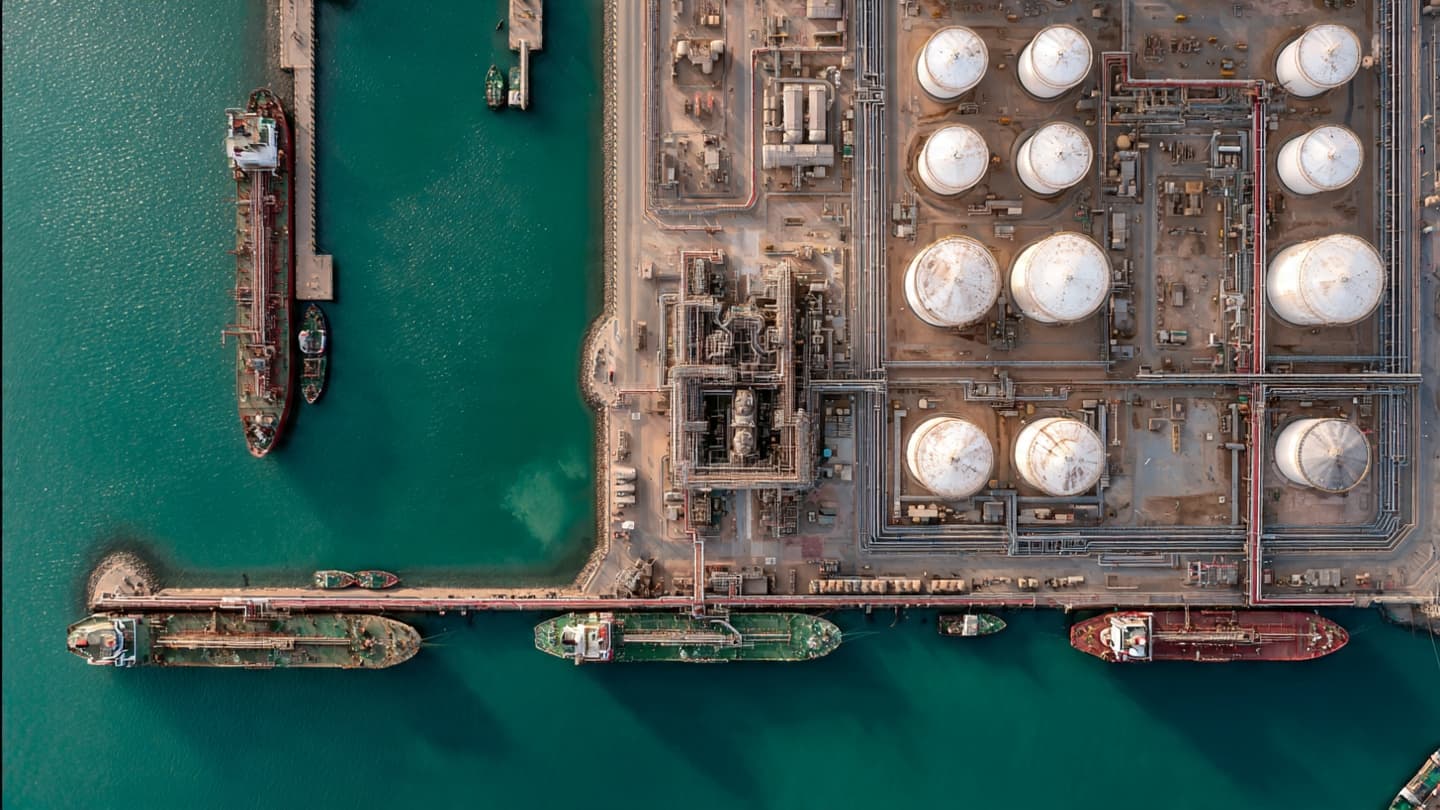
The Red Sea has become increasingly significant for global energy flows. As instability has disrupted traffic through the Strait of Hormuz, Saudi Arabia has relied more heavily on its Red Sea facilities, particularly Yanbu, to move crude oil toward international markets. Any threat to this alternative corridor therefore extends beyond regional politics, touching supply chains that reach Asia, Europe, and beyond.
The first practical effects emerged quickly. Several tankers carrying Saudi crude altered their planned routes after receiving warnings, with some reversing course near the Bab el-Mandeb Strait while others sought alternative passages through the Suez Canal. Shipping companies also increased security precautions, reflecting how rapidly maritime decisions can change when risks evolve.
For Saudi Arabia, the announcement represents more than a challenge to commercial shipping. Government officials rejected the Houthi declaration and reaffirmed their commitment to protecting national maritime interests under international law. Energy companies have continued operating, although logistics planners are increasingly evaluating contingency options should threats persist.
The broader maritime industry now watches two strategic waterways simultaneously. With disruptions already affecting the Strait of Hormuz, additional instability around Bab el-Mandeb raises concerns that two of the Middle East's most important energy corridors could face pressure at the same time. Such developments influence freight costs, insurance premiums, voyage planning, and ultimately the price of goods transported across oceans.
For sailors navigating these waters, geopolitical tensions are experienced not through diplomatic statements but through revised navigation plans, altered destinations, and careful monitoring of security advisories. Every change in course reflects decisions intended to balance commerce with caution, reminding the maritime world that even established trade routes depend upon confidence as much as geography.
As another evening settles across the Red Sea, ships continue moving between continents, though with greater vigilance than before. Whether the latest threats lead to sustained disruption or renewed diplomatic efforts remains uncertain. For now, the world's attention rests once again on a narrow stretch of water where history, trade, and regional conflict continue to meet with remarkable consequence.
AI Image Disclaimer: These illustrations were generated using AI and are intended solely as visual interpretations of the reported events.
Sources: Reuters, Associated Press, Financial Times, Lloyd's List, MarineTraffic.
Published by Banx Network. This article is part of the Banx decentralized media programme, powered by the BXE token on the XRP Ledger.