
Key Highlights
- Honduran coffee exporters are targeting Asian markets for growth.
- The shift is a response to changing trade agreements and market demands.
- Farmers view this expansion as a promise of stability and opportunity.
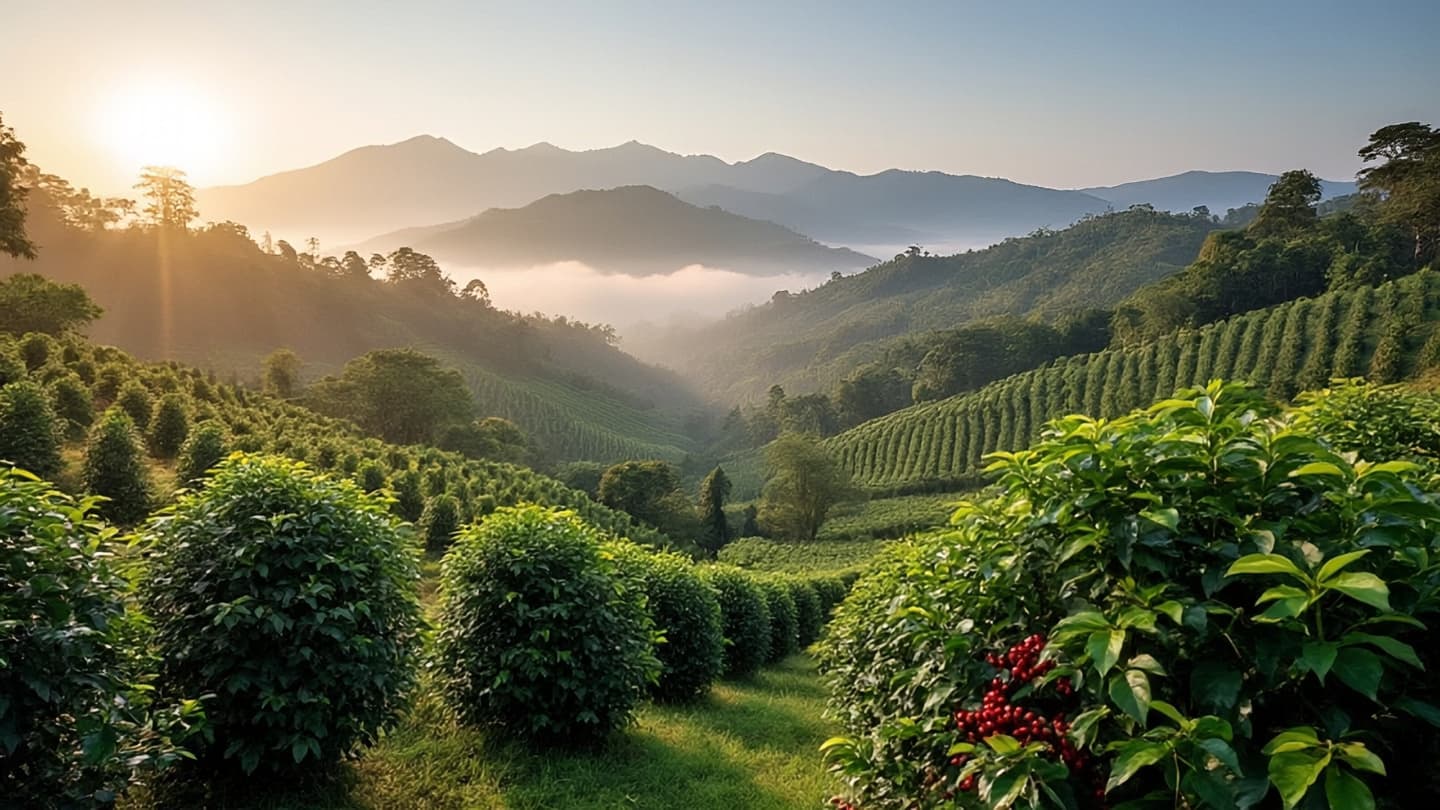
Honduras, known for its stunning mountainous landscapes, is home to a coffee industry that has long been a cornerstone of its rural economy. As the global market evolves, Honduran coffee exporters are increasingly looking eastward, setting their sights on the burgeoning coffee culture in Asia. This strategic pivot reflects not only a response to shifting trade dynamics but also a commitment to expanding their reach in a competitive global market.
The journey of Honduran coffee from the misty slopes of Marcala to the bustling streets of Seoul and Tokyo is emblematic of the resilience and adaptability of local producers. As traditional trade routes are recalibrated, exporters are embracing new opportunities, introducing the rich flavors of their highland harvests to discerning consumers in Asia. This transition is not merely a business decision; it represents a cultural exchange, where the essence of Honduran coffee finds a new home in diverse culinary landscapes.
The adaptation to these new trade realities is marked by a thoughtful approach. Exporters are not rushing into these markets; instead, they are cultivating relationships and understanding the preferences of Asian consumers. This methodical strategy allows them to position their products effectively, ensuring that the unique qualities of Honduran coffee are highlighted. The focus is on building a sustainable presence that can withstand the fluctuations of any single market, thereby securing the future of the industry.
In the coffee-growing regions of Honduras, farmers continue their labor with a sense of pride and purpose. The prospect of entering Asian markets is seen as a beacon of hope, offering stability and potential growth. For these farmers, the coffee bean is not just a commodity; it is a representation of their hard work and dedication. The narrative of their labor is intertwined with the journey of their product, which now has the potential to reach consumers halfway across the world.
As the coffee beans make their way across the Pacific, they carry with them the stories of the land and the people who cultivate them. This expansion into Asian markets is not just about increasing sales; it is about sharing the rich heritage of Honduran coffee with a global audience. The dialogue between producers and consumers is evolving, fostering a deeper appreciation for the craftsmanship that goes into every cup.
This period of transition is characterized by a careful evaluation of market trends and consumer preferences. Exporters are keenly aware of the nuances that define the Asian coffee market, adjusting their offerings to meet the demands of a new clientele. This reflective inquiry into the art of coffee trade signifies a maturation of the industry, as it embraces the challenges and opportunities presented by globalization.
In conclusion, the shift towards Asian markets represents a significant chapter in the story of Honduran coffee. It is a testament to the enduring spirit of the nation and its ability to adapt to changing circumstances. As the sun rises over the coffee groves of Honduras, the future looks promising, with the potential for new connections and prosperity on the horizon.
Published by Banx Network. This article is part of the Banx decentralized media programme, powered by the BXE token on the XRP Ledger.



