
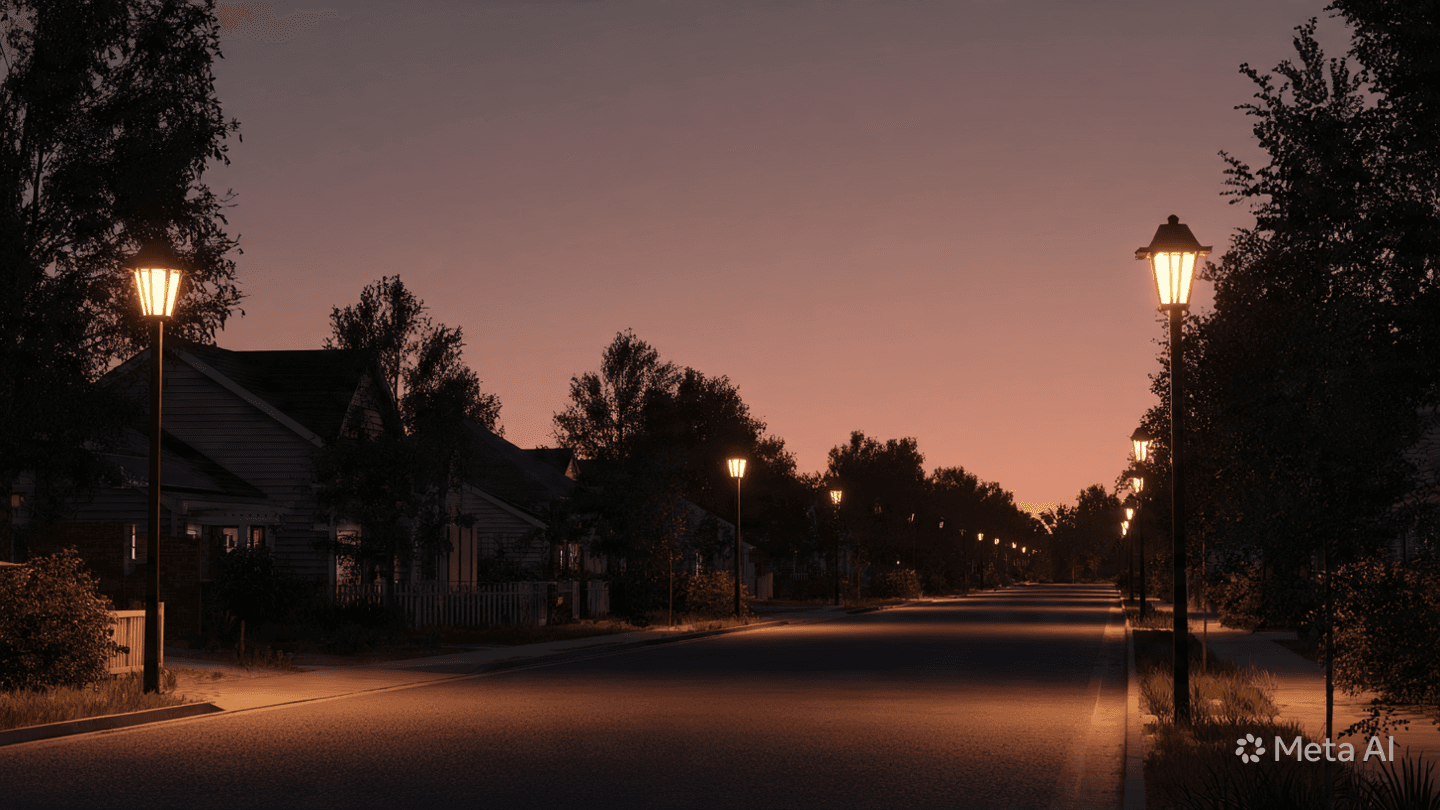
Key Highlights
- Increased security force presence in residential areas raises safety concerns.
- Reports indicate unprovoked incursions leading to community displacement.
- International monitoring groups condemn actions as violations of humanitarian norms.
The sanctity of residential spaces, once a refuge defined by the rhythms of daily life, has been increasingly compromised in recent weeks. The boundary between home and the outside world has blurred, transforming neighborhoods into zones of conflict. Reports indicate that security forces are not merely maintaining order but are actively imposing a climate of fear and control, disrupting the peace that residents once took for granted.
Witness accounts describe a chilling atmosphere as patrols invade neighborhoods, often during the quiet hours of the evening or early morning. The heavy thud of boots on pavement signals an unsettling presence, one that disrupts the tranquility of local life. Residents have reported feeling as though their homes are no longer safe havens but rather potential targets for state intervention.
The testimonies from those affected reveal a stark reality: streets that once served as corridors for community interaction are now perceived as battlegrounds. Individuals, often unarmed and simply trying to return home, find themselves caught in a web of state power that seeks to assert control through intimidation. The proactive nature of these incursions fosters a pervasive sense of instability, where the act of living in one’s own community becomes fraught with risk.
The psychological impact of these operations cannot be overstated. Families watch as security forces encroach upon their neighborhoods, turning spaces where children play into sites of potential violence. The use of projectiles and chemical agents in these confined environments leaves behind physical scars—scorched walls, shattered glass, and the acrid smell of chemical dispersants linger as reminders of the state’s heavy-handed approach.
As reports of these incursions grow more frequent, particularly in areas marked by recent civilian mobilization, the implications for community safety become increasingly dire. Evidence suggests that security personnel are deploying non-lethal yet destructive munitions in densely populated residential blocks, often without provocation. This strategy of preemptive suppression raises serious questions about the justification for such actions, especially in neighborhoods where no active demonstrations are occurring.
International monitoring groups have condemned this tactical shift, labeling the targeting of residential neighborhoods as a violation of international humanitarian norms that protect civilians. Despite the outcry, local police and security agencies maintain that their operations are necessary to neutralize perceived threats. However, the ongoing presence of tactical units has led to significant community displacement, as residents seek refuge in safer areas, further fracturing the social fabric of these neighborhoods.
The situation highlights a troubling trend: the rapid dismantling of stable communities when those in power choose to treat every citizen as a potential adversary. The quiet of residential streets, once a hallmark of peace, now serves as a stark reminder of the fragility of safety in the face of overwhelming state force. As tensions continue to rise, the need for accountability and protection of civilian spaces becomes ever more urgent.
Published by Banx Network. This article is part of the Banx decentralized media programme, powered by the BXE token on the XRP Ledger.



