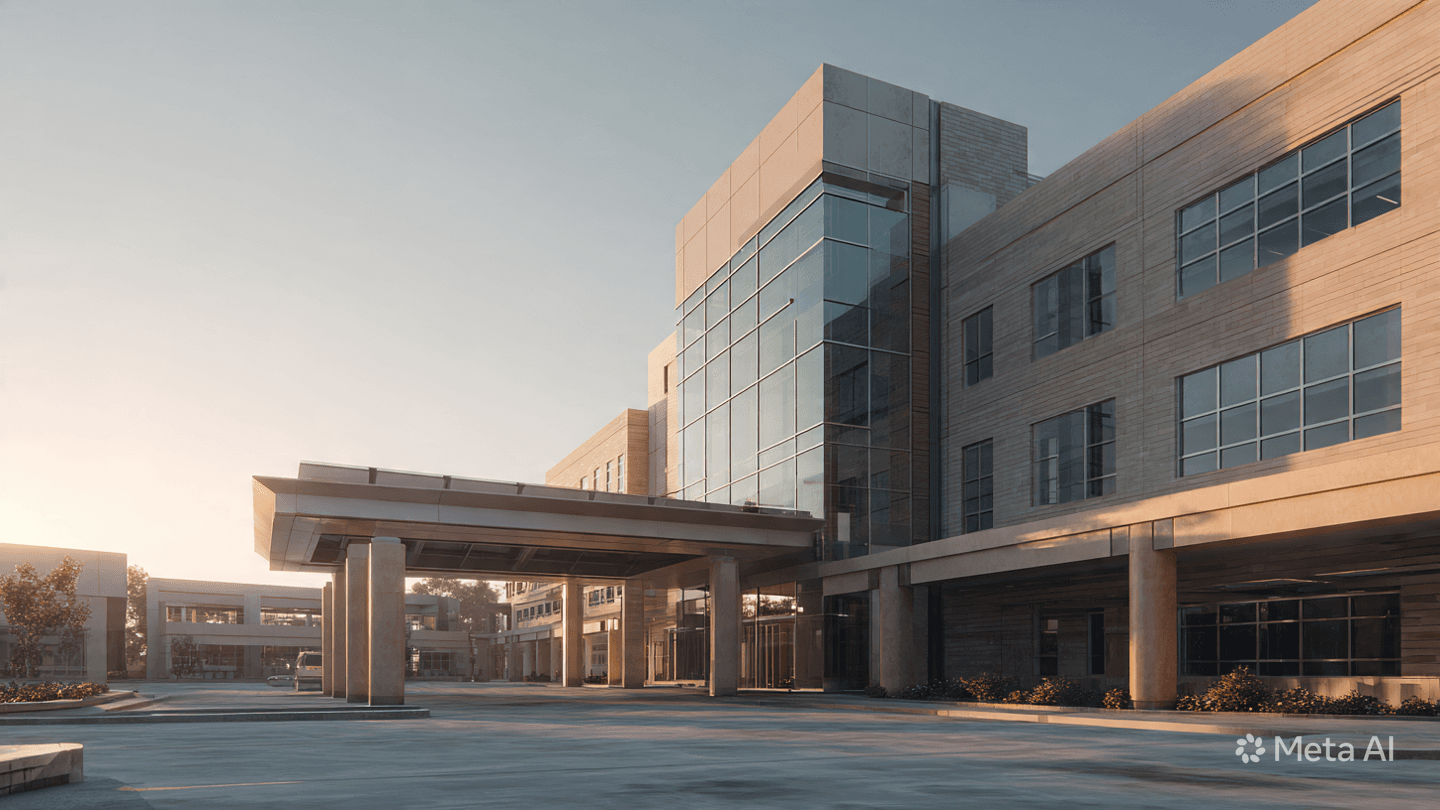
The hospital is, in the architecture of our society, meant to be a sanctuary. It is a place defined by the quiet rhythm of care, the steady hum of machines, and the hopeful movement of those seeking a return to health. To enter such a space is to trust in a fundamental promise—that the exterior chaos of the world remains outside, and that within these walls, one is protected by the sanctity of the healing arts.
When that promise is shattered by the sound of gunfire, the transition is profoundly jarring. The environment, which moments before was anchored in the meticulous routines of medicine, becomes a theater of sudden, desperate urgency. A targeted shooting is a violation that resonates far beyond the immediate site of the violence, shaking the collective belief in the safety of our most essential public institutions.
For the staff, the patients, and the families caught within the lockdown, the experience is one of suspended time. The reality of a threat inside the building forces a transformation of the space; rooms become temporary barricades, and the familiar corridors become corridors of uncertainty. It is a harrowing redirection of purpose, where the focus shifts from recovery to the fundamental, primitive instinct of survival.
The loss of one life in such a setting leaves an indelible mark on the institution’s spirit. It is a tragedy that demands a pause, a moment of profound silence for the individual who will not return home and for the lives that have been irrevocably altered. The grief is compounded by the location, a place dedicated to the preservation of life, now forced to reckon with the sudden, violent erasure of it.
The investigation that follows is a process of methodical reconstruction, a cold, analytical endeavor to discern the how and why of the event. Forensics teams work within the now-cleared rooms, collecting evidence to understand the trajectory of the act. It is the necessary, somber work of justice, attempting to provide clarity to a situation defined by the stark, irrational violence of a single, targeted moment.
As the news circulates, the city is left to grapple with the broader implications of the event. The discourse turns toward the necessity of security in our most vulnerable spaces, the challenge of maintaining openness in an era where violence can intrude upon the quietest of places. It is a complex, difficult dialogue that seeks not to blame, but to fortify the foundations of the public trust.
In the aftermath, the community offers support to those impacted, a testament to the resilience of those who serve and those who rely on the hospital's mission. The recovery process is not merely physical, but deeply emotional, as the staff and the broader community work to reconcile the memory of the trauma with the necessity of moving forward. The hospital will return to its healing work, but the incident remains a permanent, sobering layer in its history.
Official reports confirm that one person was killed and another injured in a targeted shooting at Wilmington Hospital. The facility was placed on lockdown for several hours as law enforcement cleared the premises and secured the campus. A suspect was later apprehended in Philadelphia and is currently awaiting extradition to Delaware. The investigation remains active as authorities continue to work with the hospital to review security protocols.
Published by Banx Network. This article is part of the Banx decentralized media programme, powered by the BXE token on the XRP Ledger.