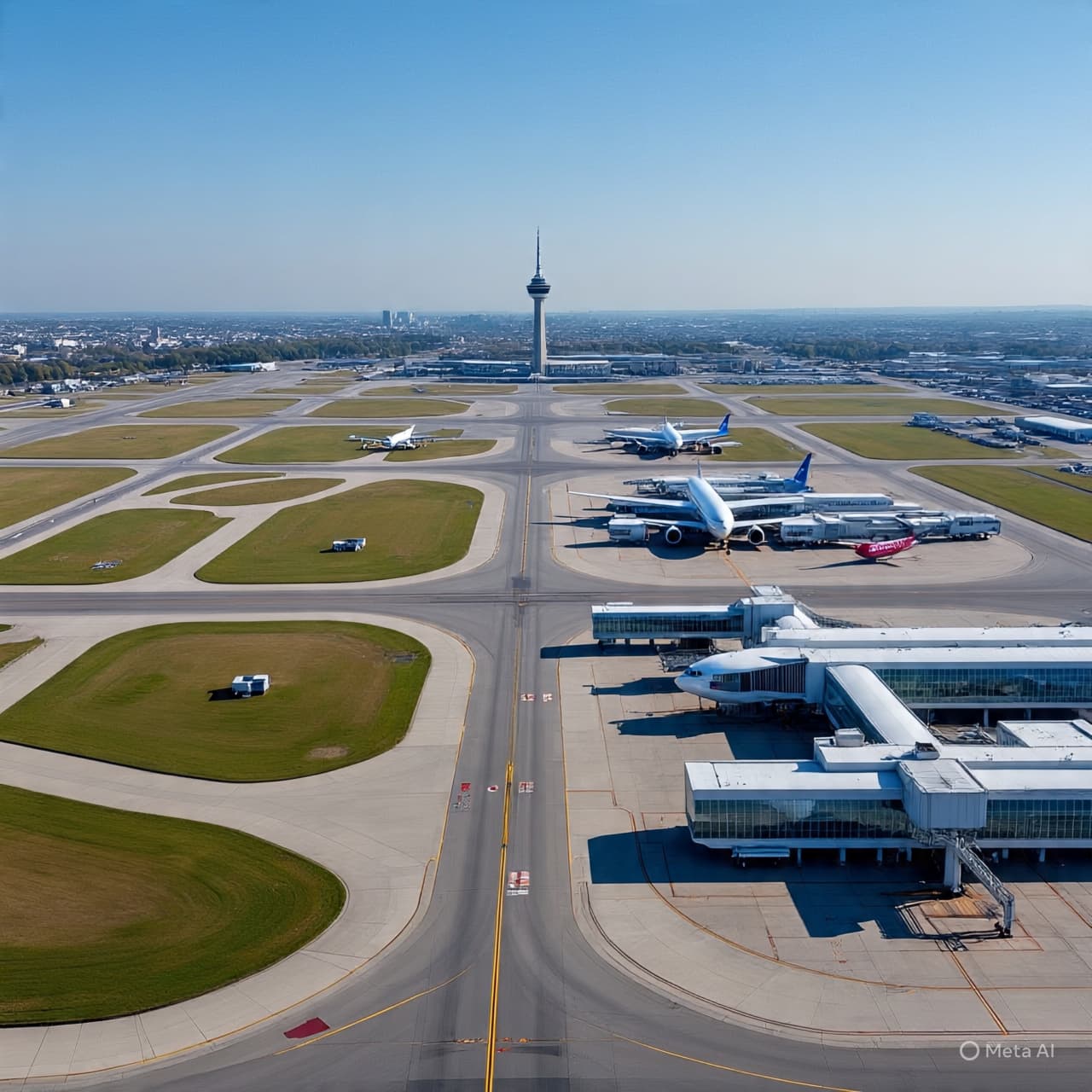
In the ebb and flow of travel seasons, airports often seem like great living organisms — swelling with life in summer and quieting in winter, each movement measured and negotiated. At Chicago O’Hare International, one of the busiest gateways in the United States, the rhythm of flights and passengers has grown so animated this year that the Federal Aviation Administration (FAA) is now poised to impose new limits on the number of takeoffs and landings. It is as if the airport itself, reaching toward the sky with ambition and energy, has begun to feel its own weight. Reuters For the upcoming summer travel season, which runs from March 29 through October 25, airlines including United and American have scheduled significantly more flights than in years past. Early schedules show more than 3,080 daily operations on expected peak days — a marked rise from about 2,680 last summer — prompting concerns that the existing air traffic infrastructure may reach its limits. wkzo.com At heart, this is not merely a matter of numbers or statistics. It reflects a broader push by airlines to grow market share and offer more connections for travelers, even as facilities and staffing must keep pace with that growth. United has said it plans to operate around 780 flights daily, while American anticipates several hundred departures each day in spring and summer. wkzo.com The FAA’s response is gentle but deliberate. In a document prepared for publication in the Federal Register, the agency proposed capping daily operations at approximately 2,800, the level it views as manageable given current runway capacity, terminals, and control resources. This approach echoes past actions the FAA has taken elsewhere to balance vibrant schedules with reliable performance and safety. wkzo.com Officials argue that without some form of adjustment, the projected surge could strain runways, ground services, and air traffic control systems — not just during the busiest hours of the day, but across the season. To that end, the FAA has scheduled a meeting with airlines and the Chicago Department of Aviation in early March to discuss how best to align schedules with operational realities. wkzo.com United and American have both expressed support for the dialogue, emphasizing their commitment to safe, dependable operations. Chicago’s aviation community, too, is watching closely, mindful of how these decisions ripple outward — affecting not only travelers but also jobs, service plans, and the broader travel economy that hinges on reliable departures and arrivals. CBS News This unfolding story offers a glimpse into how regulatory bodies, carriers, and city stakeholders navigate the dance between demand and capacity — striving to keep the skies both open and orderly. As summer approaches, the skies above Chicago are sure to be busy; how they are organized, for the benefit of all, remains a question of careful coordination and shared responsibility. wkzo.com In the weeks ahead, the FAA will refine its approach based on discussions with carriers, while travelers and industry observers alike wait to see how the balance between expansion and sustainability will be struck. Reuters AI Image Disclaimer (rotated wording) “Illustrations were produced with AI and serve as conceptual depictions.” Sources (from Source Check above) Reuters CBS Chicago NBC Chicago Devdiscourse Investing.com news summary
Published by Banx Network. This article is part of the Banx decentralized media programme, powered by the BXE token on the XRP Ledger.


.jpg&w=3840&q=75 "India Says First Phase of U.S. Trade Deal Is Nearly Done, Seeks Edge Over Rivals")