
Key Highlights
- Incident:A drone strike near Dubai International Airport ignited a fire at a fuel tank facility.
- Response:Flights were temporarily suspended as emergency crews responded to the blaze.
- Impact:Airlines adjusted schedules, diverting flights and advising passengers on delays.
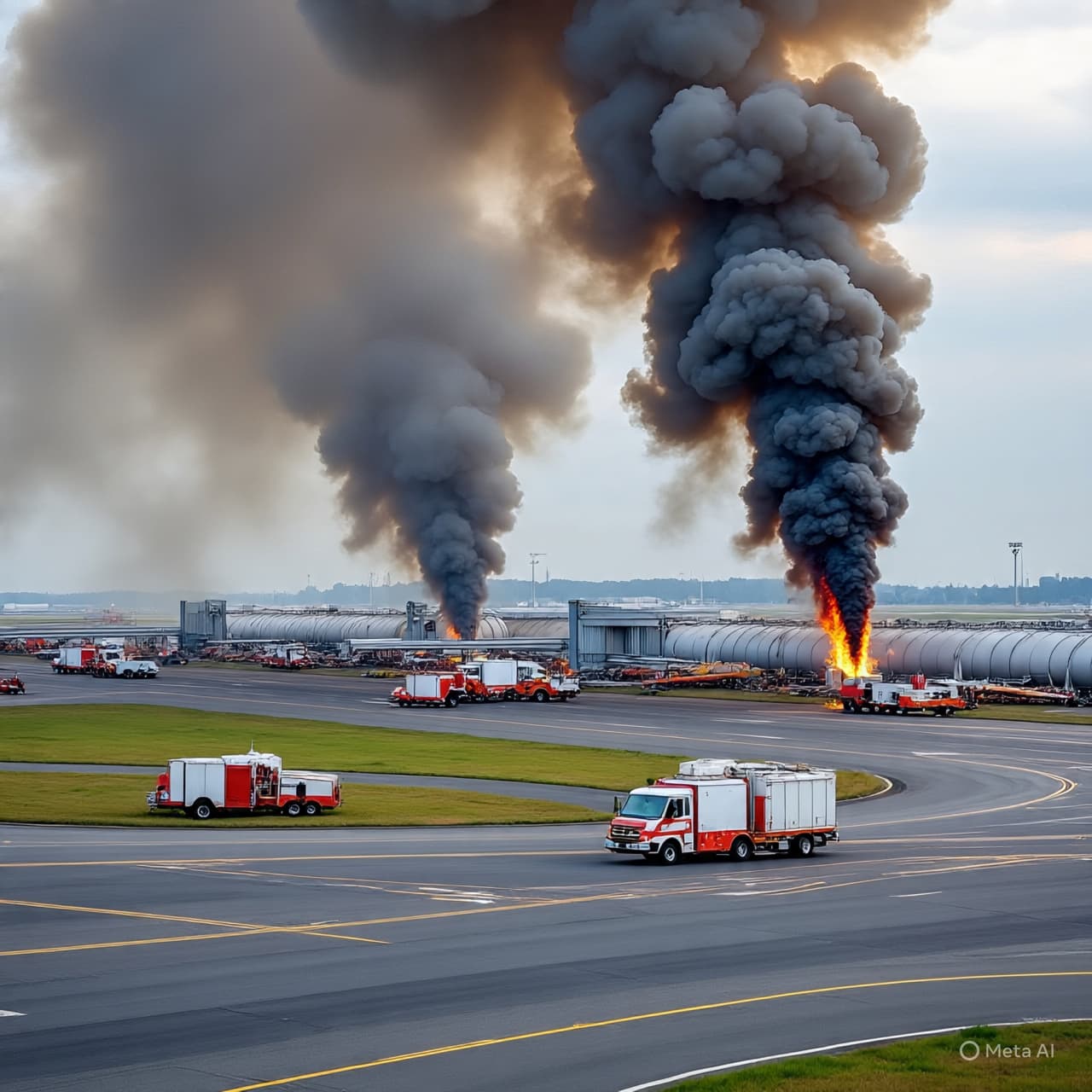
On a typical day, Dubai International Airport serves as a bustling hub, connecting travelers from around the globe. However, on Monday morning, the airport's usual rhythm was abruptly interrupted by a drone strike that targeted a fuel tank facility near the airport. The attack resulted in a significant fire that was visible from various districts in the city, prompting immediate action from emergency services and aviation authorities.
As flames erupted, the airport's operations came to a standstill. Flights were suspended, and nearby roads were closed to facilitate the emergency response. Fire crews worked diligently to contain the blaze, which posed a risk not only to the airport but also to the surrounding areas. Fortunately, officials reported that no injuries occurred as a result of the incident, and the fire was brought under control after a few hours.
Dubai International Airport is not just a local transit point; it is one of the busiest airports in the world, handling millions of passengers annually. The disruption caused by the drone strike had immediate repercussions on flight schedules, with several airlines diverting incoming flights to alternative airports and others delaying or canceling departures as a precautionary measure. Passengers were urged to stay updated on their flight statuses as the situation developed.
By mid-morning, airport officials began to restore limited flight services, albeit cautiously. Some flights resumed, while others continued to face delays as safety checks were conducted and logistical adjustments were made. The incident highlighted the vulnerability of major aviation hubs to external threats, particularly in a region marked by geopolitical tensions.
The drone strike comes amid a broader context of rising security concerns in the Persian Gulf, where drone and missile activities have been increasingly reported. Analysts have noted that critical infrastructure, including airports and energy facilities, has become a focal point during periods of heightened geopolitical strain. This incident serves as a reminder of the delicate balance that aviation authorities must maintain in ensuring safety while facilitating global travel.
As investigations into the circumstances surrounding the drone strike continue, airport authorities are working closely with airlines to normalize operations. Emergency teams remain on-site to monitor the situation and assess any damage to airport facilities. The swift response from emergency services and aviation officials has been crucial in mitigating the impact of this incident on travelers and the broader aviation network.
As the smoke clears above Dubai International Airport, the city is gradually returning to its role as a vital global crossroads, where the rhythm of travel resumes amidst ongoing challenges and uncertainties in the region.
Published by Banx Network. This article is part of the Banx decentralized media programme, powered by the BXE token on the XRP Ledger.



