
Key Highlights
- Airstrikes:Israeli military targets Mehrabad Airport in Tehran.
- Aircraft Destruction:16 planes reportedly destroyed, linked to Iran's military.
- Regional Impact:The operation reflects escalating tensions in the Middle East.
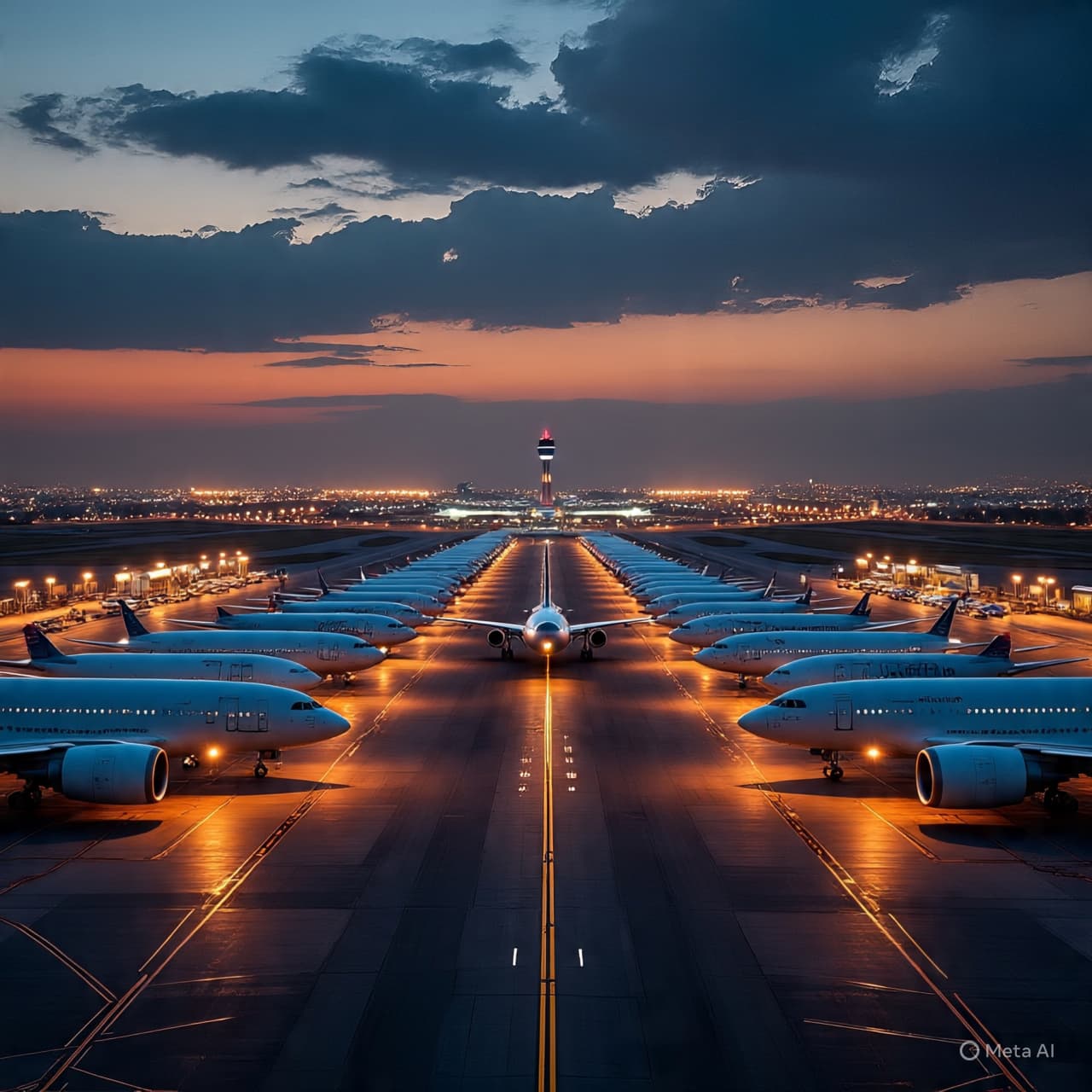
On a typical day, airports serve as gateways to the world, bustling with travelers and the sounds of takeoff and landing. However, the recent airstrikes on Tehran's Mehrabad Airport have transformed this vital aviation hub into a focal point of military conflict. The Israeli military has confirmed that its air force conducted a series of strikes targeting the airport, claiming to have destroyed 16 aircraft associated with Iran's Islamic Revolutionary Guard Corps Quds Force. These aircraft were allegedly used to transport weapons and funds to militant groups across the region, including Hezbollah in Lebanon.
The Israeli Defense Forces (IDF) characterized the operation as a strategic move to disrupt logistical channels that support Iran's regional allies. According to Israeli officials, Mehrabad Airport is not just a civilian facility but a critical node in a network facilitating military operations. The strikes are part of a broader campaign aimed at undermining Iran's military capabilities and its support for proxy groups in the Middle East.
Reports indicate that the airstrikes were extensive, with Israeli fighter jets targeting multiple military sites and infrastructure across Iran. Eyewitness accounts and satellite imagery suggest significant damage at Mehrabad, with some aircraft appearing severely damaged while others were scattered across the airport complex. The scale of the operation underscores the seriousness of the ongoing confrontation between Israel and Iran, raising concerns about the potential for further escalation.
The implications of such military actions extend beyond the immediate destruction of aircraft. Airports like Mehrabad are vital to civilian life, connecting families and facilitating commerce. When these spaces become targets of military operations, it blurs the lines between civilian and military infrastructure, raising ethical and strategic questions about the conduct of warfare in populated areas.
Historically, Mehrabad Airport has been a central part of Iran's aviation landscape, serving as Tehran's main airport and a hub for domestic flights. On ordinary days, its runways are filled with the sounds of passenger travel, but the recent airstrikes have cast a shadow over its operations. The stark contrast between the airport's usual function and its current status as a military target highlights the precarious nature of peace in the region.
As of now, Iranian authorities have not confirmed the extent of the damage reported by Israeli sources, and independent verification of the claims remains limited. In conflicts like this, information often emerges slowly, shaped by competing narratives and the fog of war. The situation at Mehrabad Airport serves as a reminder that even places designed for departure can become entangled in the complexities of international conflict.
Looking ahead, the ongoing tensions between Israel and Iran suggest that the skies above Tehran may continue to witness military actions, further complicating the already volatile landscape of the Middle East. The runway at Mehrabad stands as a silent witness to these developments, embodying the duality of flight and conflict that defines this era.
Published by Banx Network. This article is part of the Banx decentralized media programme, powered by the BXE token on the XRP Ledger.



