

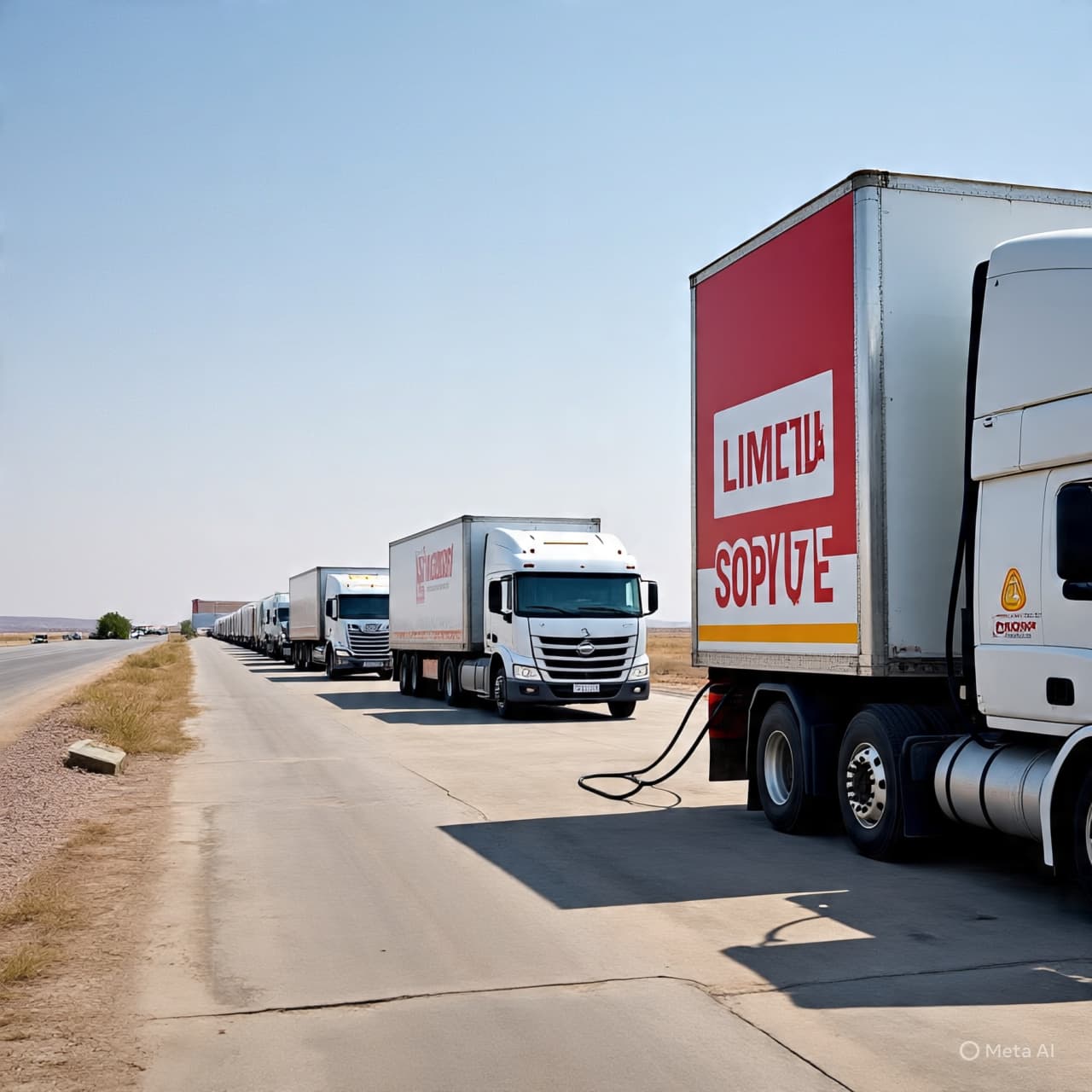
Key Highlights
- Fuel Crisis:A government emergency order has been issued for truck drivers.
- Supply Chain Impact:Shortages threaten the availability of essential goods.
- Industry Response:Truck drivers face new challenges amid regulatory changes.
The delicate balance of daily life often goes unnoticed, yet it is underpinned by a complex network of transportation and logistics that keeps economies thriving. Recently, this balance has been disrupted by a significant fuel crisis, prompting government officials to issue an emergency order aimed at truck drivers and freight operators. This measure reflects growing concerns over potential supply disruptions that could ripple through various sectors.
Fuel shortages can have far-reaching consequences, affecting not just transportation but also the availability of essential goods in supermarkets and manufacturing facilities. The emergency directive is designed to ensure continuity in the supply chain, with specific measures that may include regulatory adjustments, prioritization of fuel access, and temporary operational changes to keep goods moving efficiently.
Officials have emphasized the necessity of this decision to stabilize the situation. By collaborating with logistics providers, authorities aim to minimize delays and prevent broader economic repercussions. The urgency of the situation has led to a coordinated response, highlighting the critical role that truck drivers play in maintaining the flow of goods during this challenging time.
For truck drivers, the emergency order introduces a mix of challenges and responsibilities. They find themselves at the forefront of this crisis, navigating operational demands while adapting to shifting regulations. Industry groups have responded with caution, recognizing the need for action while also voicing concerns about the pressures faced by drivers and companies in light of rising fuel costs and limited availability.
Experts warn that such crises often expose deeper vulnerabilities within supply systems. The heavy reliance on a consistent fuel supply underscores how quickly disruptions can escalate into broader economic issues. As the situation continues to evolve, governments are closely monitoring supply levels and market conditions, with additional measures likely to be considered if shortages persist.
Currently, the emergency order serves as a crucial intervention—a strategic pause intended to stabilize the system until normalcy can be restored. In the intricate web of goods and fuel, even minor disruptions can have significant repercussions, highlighting the importance of resilience in supply chains.
As the crisis unfolds, stakeholders across the industry remain vigilant, aware that the road ahead may still be fraught with challenges. The hope is that through coordinated efforts and strategic interventions, the balance can be restored, ensuring that essential goods continue to reach consumers without interruption.
Published by Banx Network. This article is part of the Banx decentralized media programme, powered by the BXE token on the XRP Ledger.




