
Key Highlights
- Fuel shortages in Ireland have led to widespread protests and empty stations.
- Farmers and drivers have mobilized against rising fuel costs, blocking access to key infrastructure.
- The Irish government is balancing urgent responses with long-term sustainability concerns.
[Protests Erupt Over Fuel Shortages]
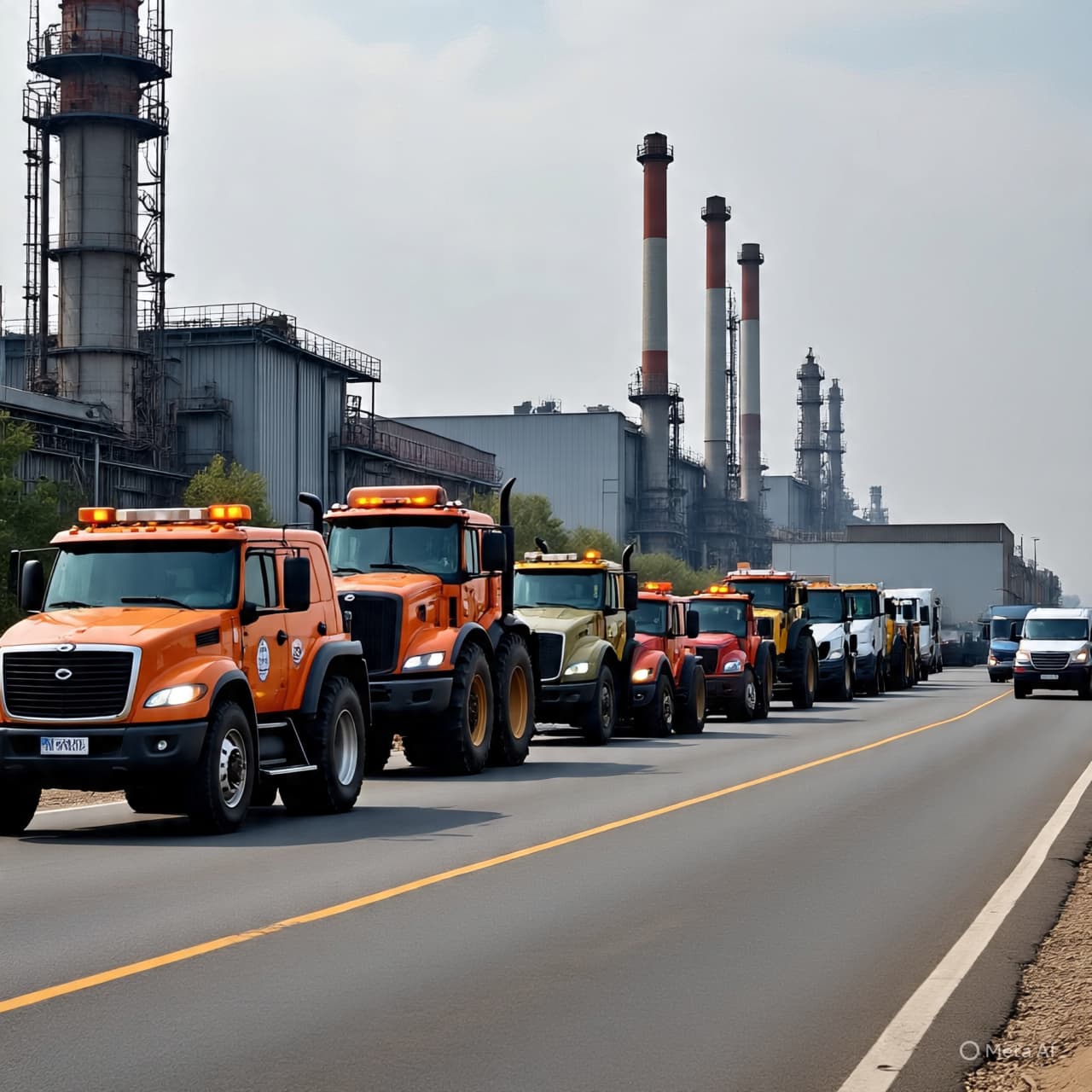
In recent days, Ireland has found itself at the center of a fuel crisis that has sparked widespread protests and significant disruptions across the nation. What began as frustration over rising fuel prices quickly escalated into a movement that saw farmers, hauliers, and everyday drivers converge at critical points, blocking roads and access to the country's only oil refinery, Whitegate. This refinery, once a bustling hub of activity, became a symbol of the crisis as it stood still, reflecting the broader impact of rising costs on the daily lives of Irish citizens.
As fuel stations began to run dry, the reality of the situation became starkly apparent. Long queues formed at remaining operational stations, while others faced complete shortages. The absence of fuel, often taken for granted, began to disrupt essential services, including emergency response systems and transport networks. The quiet forecourts of these stations served as a reminder of how quickly normalcy can be upended.
[Government Response and Public Sentiment]
In response to the growing unrest, authorities took action to clear demonstrators from the refinery. Irish police worked to reopen access points, allowing fuel tankers to resume deliveries, albeit slowly. However, the physical clearing of roads did not address the underlying issues that had driven the protests. Many demonstrators voiced concerns not just about the rising costs of fuel, but also about the sustainability of their livelihoods, particularly in agriculture and transport sectors that are increasingly vulnerable to global market fluctuations.
The government found itself in a precarious position, needing to balance immediate action with long-term economic stability. Officials warned of potential wider disruptions if the situation continued to escalate, while also exploring options for financial relief to ease the burden on affected individuals and businesses. Trust in government responses, however, is fragile, and restoring it will take more than just immediate fixes.
[Looking Ahead: The Path to Normalcy]
While the reopening of the refinery marks a step towards normalcy, it does not signify a complete resolution of the crisis. The questions raised during this period of stillness linger, highlighting the fragility of the systems that underpin daily life in Ireland. As fuel deliveries begin to normalize, discussions between government officials and representatives from various sectors are expected to continue, aiming to address the root causes of the unrest and prevent future disruptions.
In the coming days, Ireland may see a return to routine as fuel supplies stabilize, but the deeper issues surrounding economic sustainability and public trust remain unresolved. The recent events serve as a reminder of the interconnectedness of daily life and the broader economic landscape, urging a reevaluation of how such crises are managed in the future.
Published by Banx Network. This article is part of the Banx decentralized media programme, powered by the BXE token on the XRP Ledger.



