
Key Highlights
- Fuel prices in Indonesia will remain unchanged during Lebaran.
- The government aims to ease travel costs for millions of Indonesians.
- National fuel reserves exceed operational thresholds, ensuring supply stability.
As the festive season of Lebaran approaches, millions of Indonesians prepare for the annual tradition of mudik, or returning home. This journey is not just a trip; it is a deeply rooted cultural practice that connects families across the archipelago. In anticipation of this mass movement, the Indonesian government has announced that the price of subsidized fuel will remain stable throughout the holiday period, providing much-needed reassurance to travelers.
The Ministry of Energy and Mineral Resources (ESDM) confirmed that the prices of key fuels, including Pertalite and Biosolar, will not change, despite fluctuations in global oil markets. Recently, crude oil prices surged past 111 US dollars per barrel, the highest since mid-2022, driven by geopolitical tensions and supply chain disruptions. However, Indonesian officials have opted to maintain local fuel prices to prevent additional financial strain on families during this critical time.
This decision, made under presidential guidance, aims to allow Indonesians to celebrate Ramadan and Lebaran without the burden of rising fuel costs. By keeping fuel prices steady, the government hopes to ensure that transportation remains affordable during one of the busiest travel seasons in the country.
In addition to price stability, the government has assured the public that national fuel reserves are in good condition. Current stocks exceed the minimum operational requirements, with sufficient supplies of fuel and liquefied petroleum gas (LPG) available to meet demand. Officials have emphasized that the operational coverage for fuel distribution exceeds three weeks, providing a buffer during peak travel times.
To prevent panic buying, which could disrupt distribution networks, the ministry has urged the public to remain calm and avoid excessive purchases. An official likened the national fuel storage system to a household water tank—constantly replenished to meet daily needs. This analogy underscores the government's commitment to maintaining a stable energy supply through a combination of domestic production and international imports.
While the current situation appears stable, the broader energy landscape remains unpredictable. Global oil prices continue to fluctuate due to ongoing political tensions and supply chain issues, reminding policymakers that local stability can be influenced by external factors.
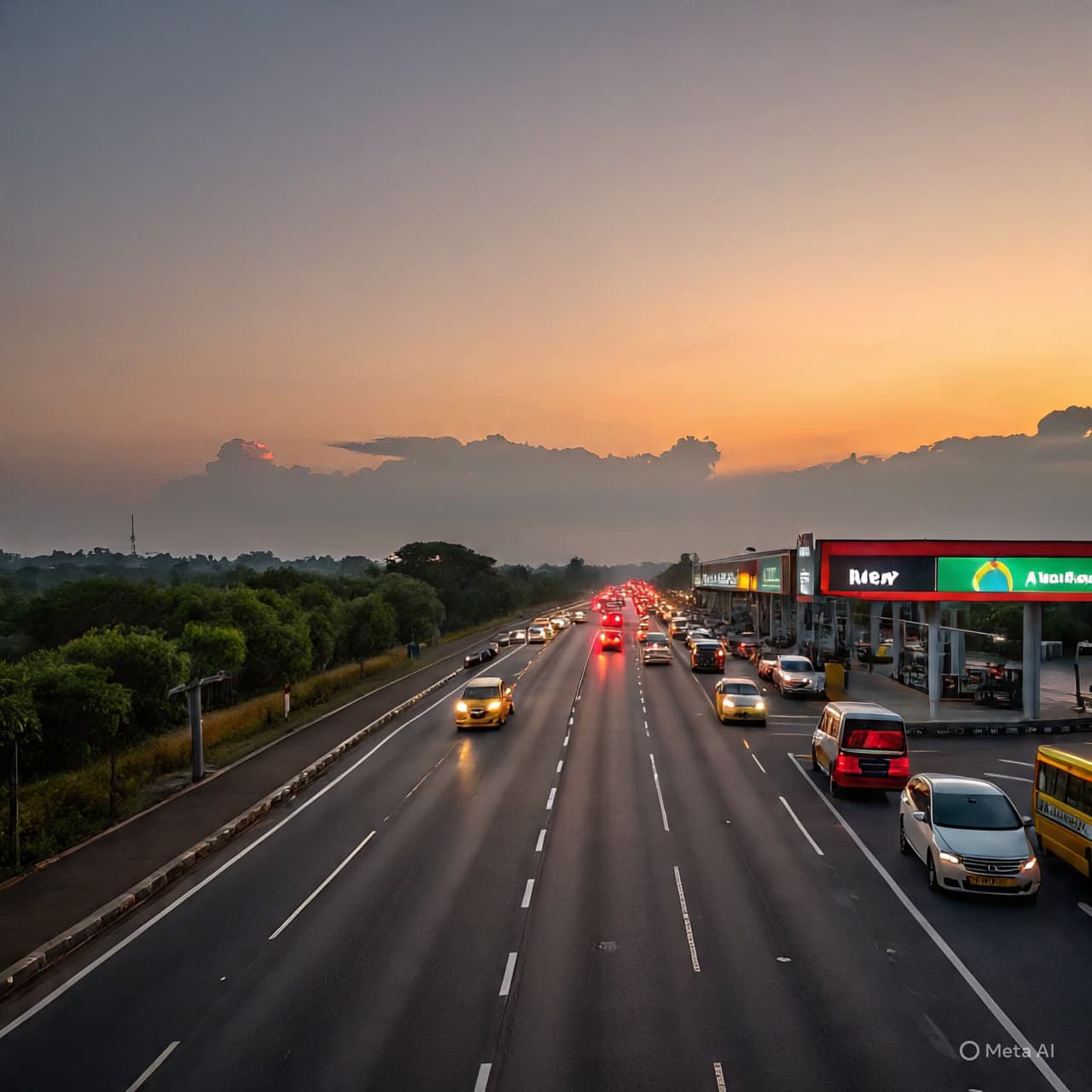
As the call of home grows louder and highways fill with travelers, the Indonesian government’s message is clear: fuel prices will remain unchanged, reserves are adequate, and the roads are ready for the annual migration that characterizes the Lebaran season. For many, this stability provides the peace of mind needed to plan their journeys home, allowing them to focus on the joy of reunion with family and friends.
In conclusion, as millions prepare for their journeys, the government’s proactive measures aim to ensure that the roads remain open and accessible, allowing the cherished tradition of mudik to continue unimpeded.
Published by Banx Network. This article is part of the Banx decentralized media programme, powered by the BXE token on the XRP Ledger.



