On a gentle autumn morning of ideas, the horizon of innovation often shifts quietly, like a cloud drifting toward a new constellation. For more than a decade, two gliding silhouettes — the Tesla Model S sedan and the Model X SUV — have embodied both aspiration and possibility on roads around the world. These were not merely vehicles but the first brushstrokes on an electric canvas that would redraw the future of transportation. Now, as winter’s approach of technological ambition encircles the industry, that chapter is nearing its close.
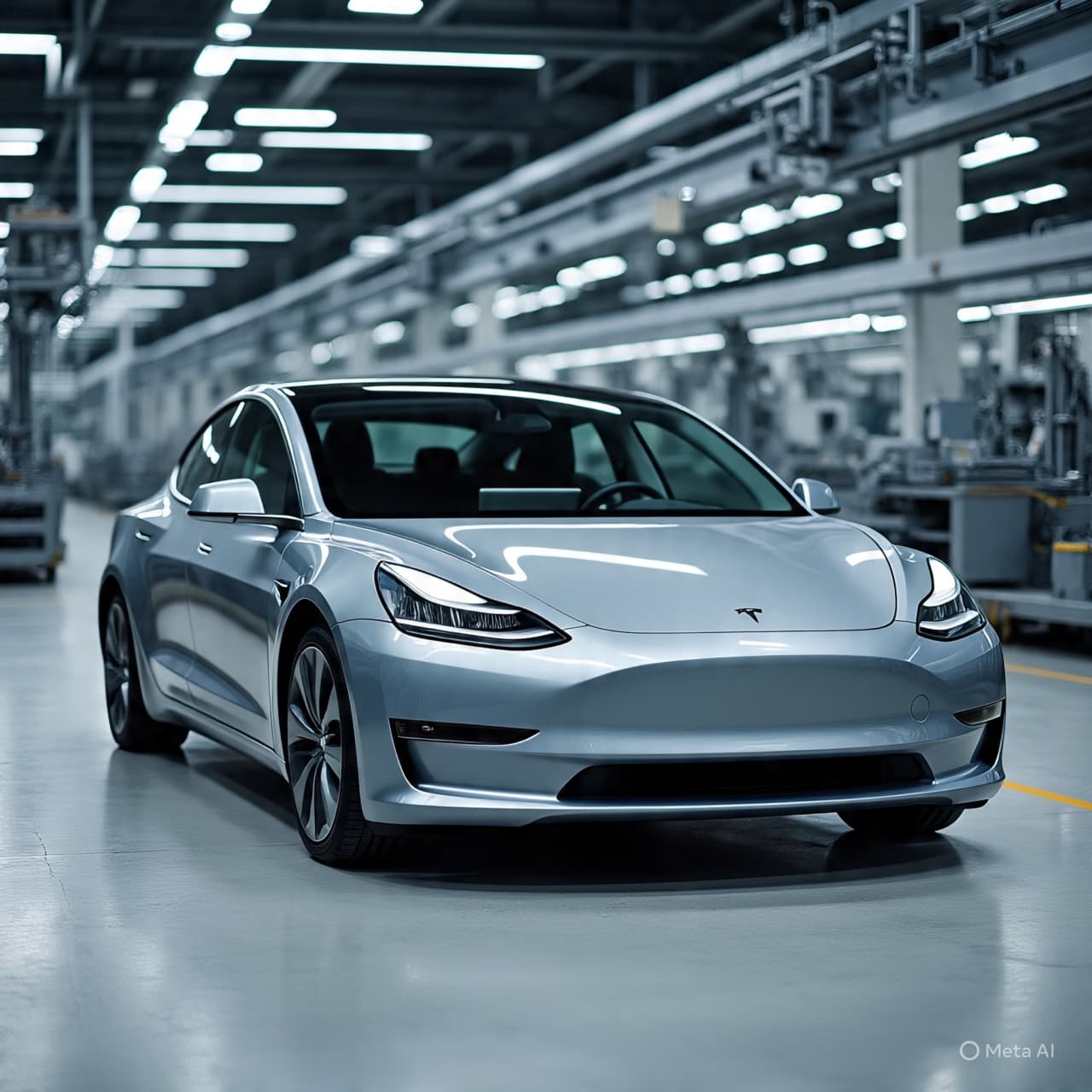
In a recent earnings call, Tesla’s CEO shared a decision that many had quietly anticipated but few had truly imagined: by the second quarter of 2026, the company will bring global production of the Model S and Model X to an end. These flagship vehicles, unveiled in 2012 and 2015 respectively, once stood as symbols of daring — a luxury sedan that challenged convention and an SUV whose “falcon-wing” doors became an icon of innovation. Yet time, market momentum, and changing priorities have gently shifted Tesla’s gaze to wider horizons.
Across global markets, demand for these models had steadily dwindled as Tesla’s more accessible vehicles, like the Model 3 and Model Y, took center stage in everyday life. Sales volumes, while never insignificant, became a quieter hum against the louder chorus of mass-market adoption. The company’s choice now reflects this quiet transformation: the cars that helped make electric vehicles desirable will make way for endeavors that seek to redefine how humans and machines interact — from autonomous robotaxis to humanoid robots.
In Fremont, California — the birthplace of many of Tesla’s ambitions — assembly lines that once sang with the choreography of precision metal and electricity will be repurposed. New lines will aim to build humanoid robots envisioned to serve tasks beyond the wheel. It’s a pivot both pragmatic and poetic: the tools that once built dreams of electrified streets may soon shape visions of artificial companions.
For owners and enthusiasts, this moment carries a soft cadence of nostalgia. The Model S and Model X were more than machines; they were harbingers of a new era, catalysts that nudged the auto world toward change. Their departure from the production calendar does not erase their influence, but it marks a transition — a movement from proving that electric cars matter to asking what comes after.
In the broader rhythm of technological progress, endings are seldom final. Instead, they are gentle bridges to reinvention, reminders of the cycles that shape both machines and minds. As Tesla turns its gaze forward, the legacy of the Model S and Model X will live on in every journey electrified and every idea that dares to break beyond the horizon.
AI Image Disclaimer
Visuals are created with AI tools and are not real photographs, meant for conceptual representation only.
Main credible sources identified (media names):
1. Electrek 2. The Guardian 3. The Verge 4. NDTV (news agency) 5. InsideEVs
Published by Banx Network. This article is part of the Banx decentralized media programme, powered by the BXE token on the XRP Ledger.