

Key Highlights
- Aging drivers face unique challenges that affect their driving abilities.
- Health authorities recommend regular check-ups to ensure safety on the road.
- Technology is evolving to support elderly drivers with advanced safety features.
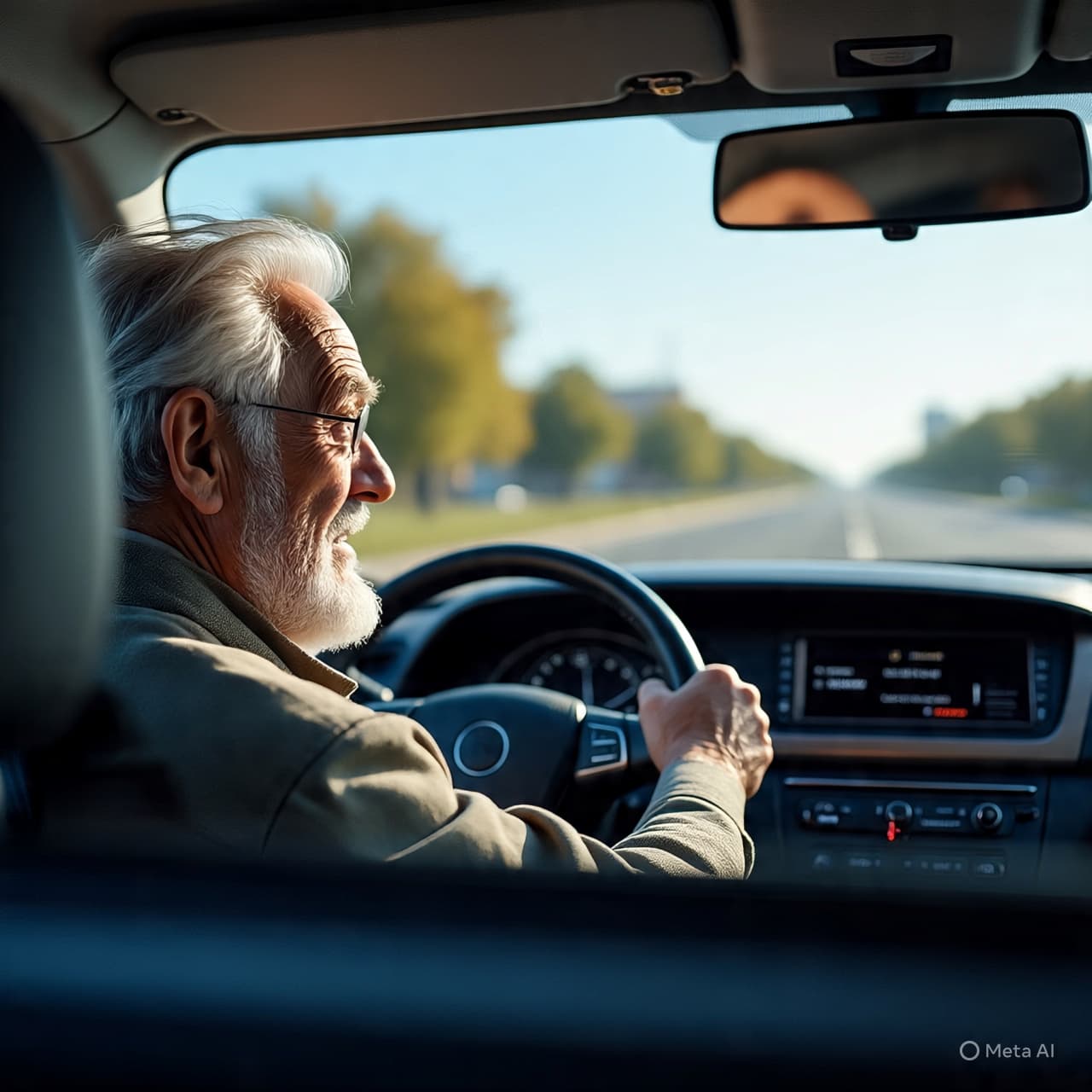
The act of driving embodies a rhythm that many individuals, particularly the elderly, have cultivated over decades. For these drivers, the road represents not just a means of transportation but a vital expression of independence. However, as time progresses, even the most familiar routes may require a different kind of attention and awareness.
Recent guidance from health authorities emphasizes the importance of vigilance among older drivers. This advice is not intended to incite fear but rather to promote care and understanding of the natural evolution of human faculties. As individuals age, changes in vision, reaction time, and cognitive processing can subtly impact their driving capabilities. Recognizing these changes is crucial—not as a sign of limitation, but as an opportunity for adaptation, ensuring that experience continues to guide rather than hinder.
Statistics from various countries indicate that while elderly drivers are not necessarily more prone to accidents, the consequences of incidents involving older individuals can be more severe. This nuanced understanding shapes public health messaging, which focuses on preparedness rather than restriction. The aim is to foster an environment where elderly drivers can continue to operate vehicles safely while being mindful of their evolving capabilities.
Medical professionals recommend regular health check-ups for aging drivers, including assessments of vision and hearing. These evaluations act as safeguards, ensuring that the essential senses required for safe driving remain reliable. By staying proactive about their health, elderly drivers can maintain their independence while prioritizing safety.
In addition to health assessments, technology plays a significant role in enhancing driving safety for older individuals. Modern vehicles are increasingly equipped with driver-assistance systems designed to support awareness and reduce risks. Features such as lane departure warnings, adaptive cruise control, and automatic emergency braking can provide an extra layer of reassurance for elderly drivers, allowing them to navigate the roads with greater confidence.
Family members often play a crucial role in these discussions about driving ability. Encouraging open and honest conversations can help maintain safety while preserving the dignity of elderly drivers. When approached with sensitivity, these dialogues can strengthen trust and foster a collaborative approach to ensuring safety on the road.
Public campaigns also advocate for practical adjustments to driving habits among older individuals. Recommendations include avoiding nighttime driving, limiting long-distance trips, and sticking to familiar routes. These small changes can significantly enhance safety without disrupting the daily lives of elderly drivers.
Ultimately, the road is a shared space, and awareness from all drivers, regardless of age, contributes to collective safety. The focus on elderly drivers serves as a reminder that different stages of life require varying levels of attentiveness. The message is not one of urgency or alarm but rather a gentle invitation to remain mindful, adapt gracefully, and continue navigating life’s roads with care and confidence.
Published by Banx Network. This article is part of the Banx decentralized media programme, powered by the BXE token on the XRP Ledger.




