

Key Highlights
- Thousands of displaced families are returning to southern Lebanon following a ceasefire agreement.
- The return is marked by mixed emotions due to damaged homes and infrastructure.
- Humanitarian organizations are monitoring conditions as recovery efforts continue.
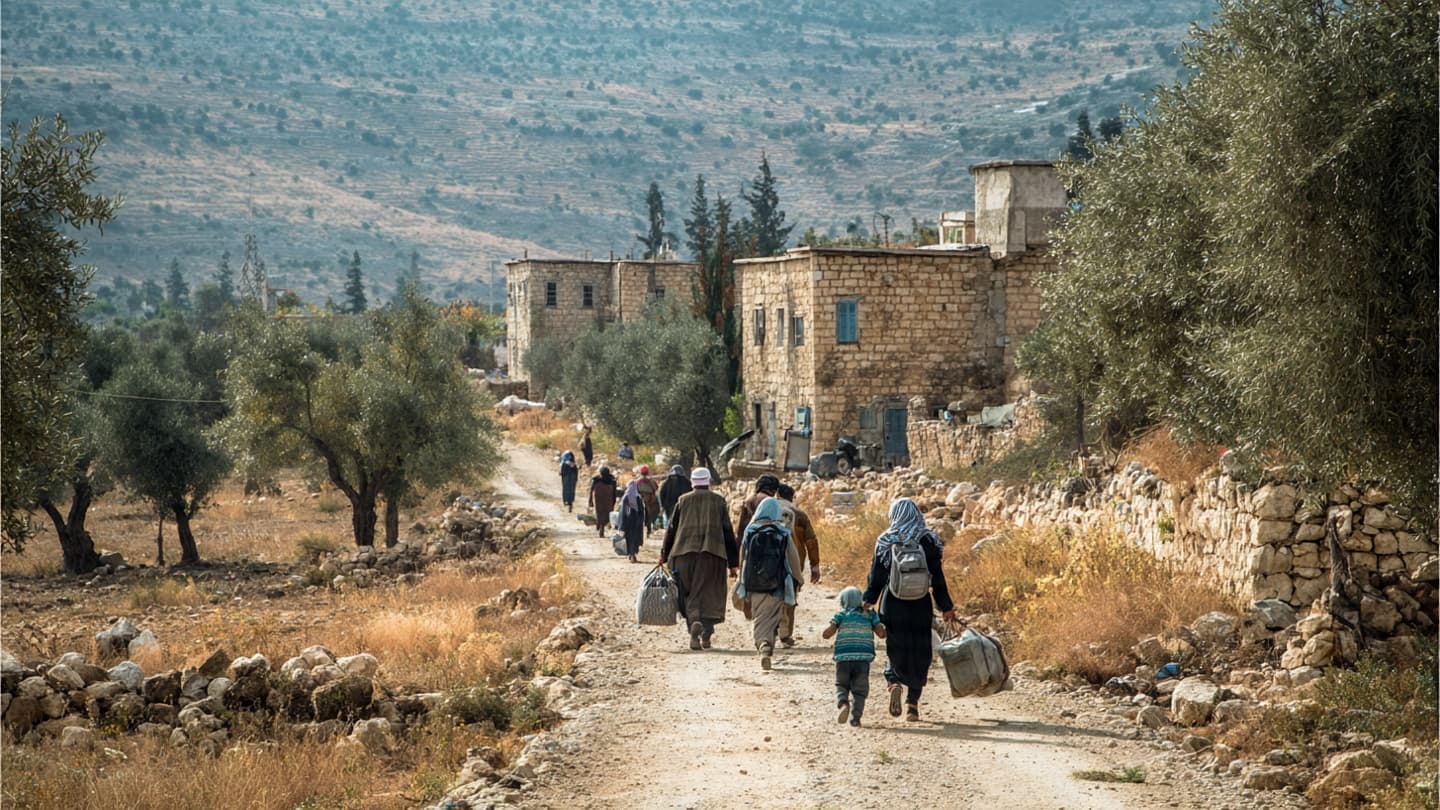
The concept of home transcends mere geography for many displaced families; it embodies memories, routines, and a sense of belonging. In southern Lebanon, this emotional pull is becoming increasingly evident as residents begin to return to their communities after months of violence and upheaval. The recent U.S.-Iran agreement aimed at de-escalating regional tensions has facilitated this movement, allowing thousands of Lebanese civilians to journey back to the towns and villages they once fled.
However, this return is not without its challenges. Lebanese authorities have issued warnings to returning residents, advising them against rushing back too soon. Concerns about unexploded ordnance, damaged infrastructure, and ongoing security risks loom large, casting a shadow over the hopeful reunions.
The conflict that prompted the mass displacement has left a significant mark on southern Lebanon. Many communities have faced extensive destruction, with homes, roads, businesses, and public facilities suffering severe damage. As families return, they are confronted with the stark reality of what remains and what must be rebuilt. The emotional landscape is complex; while there is relief in returning home, it is often accompanied by the harsh realization of damaged properties and disrupted livelihoods.
Rebuilding efforts will demand considerable resources and time, posing additional challenges for families eager to restore their lives. Humanitarian organizations are actively monitoring the situation, focusing on essential needs such as shelter, healthcare, electricity, and clean water, which remain pressing concerns in several affected regions. The recovery process is expected to extend well beyond the immediate return of displaced populations.
The ceasefire linked to the U.S.-Iran agreement has ushered in a period of relative calm, yet uncertainty persists regarding the longevity of this arrangement and the broader political issues that fueled the conflict. Residents returning home are thus navigating a landscape filled with both hope and trepidation.
Lebanon's history is marked by resilience in the face of adversity, and the current wave of returnees reflects this enduring spirit. Despite the visible challenges, communities are demonstrating a determination to rebuild and recover. Authorities continue to urge caution while supporting the return process, ensuring that reconstruction and security assessments are conducted throughout southern Lebanon.
As families step back into their neighborhoods, they carry with them a blend of hope for the future and the weight of uncertainty, embodying the complex reality of returning home after conflict.
Published by Banx Network. This article is part of the Banx decentralized media programme, powered by the BXE token on the XRP Ledger.




