
Key Highlights
- Date of Incident:A head-on collision occurred on June 18, 2026.
- Fatalities:Three individuals lost their lives in the accident.
- Investigation:Authorities are probing the causes of the crash.
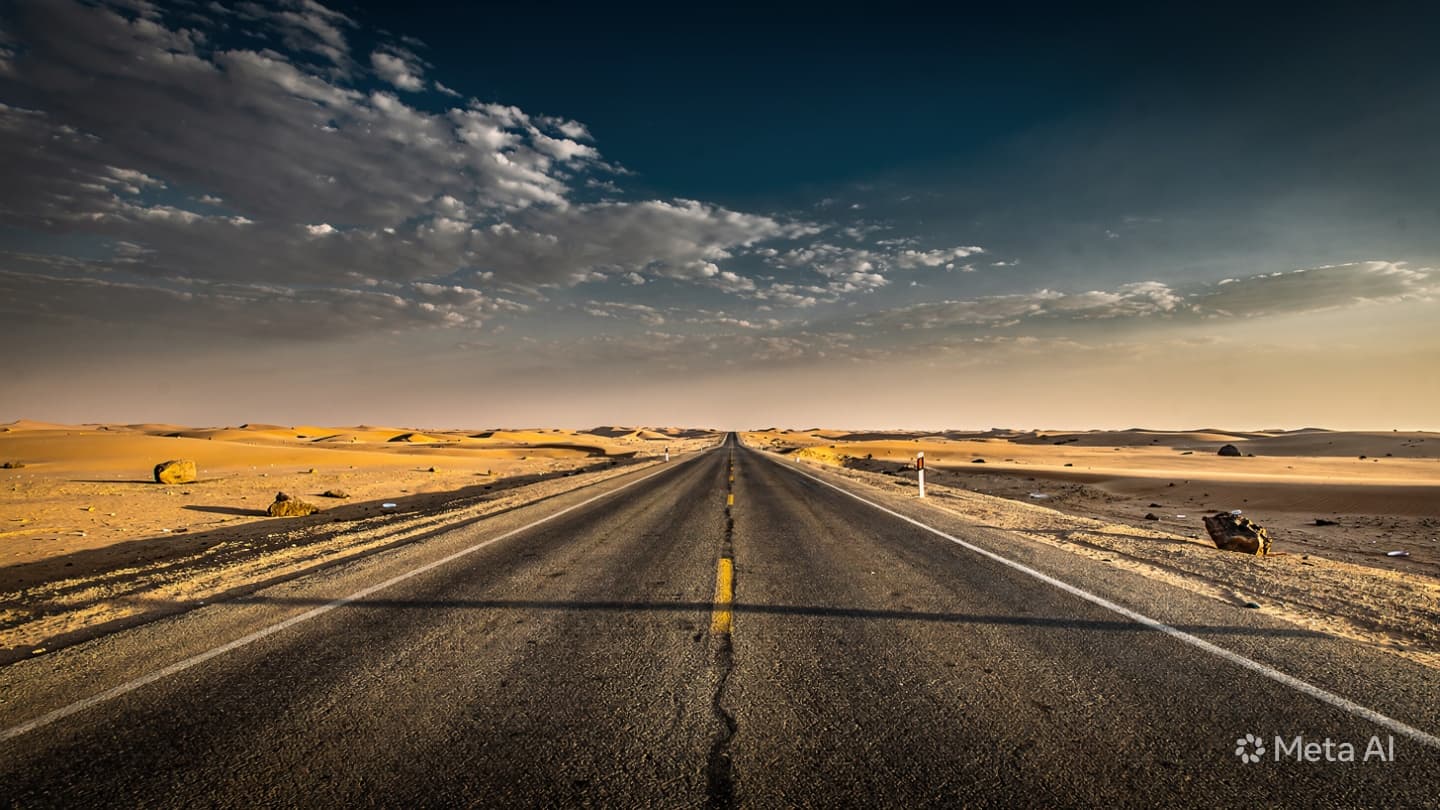
The road to Ismailia is a path etched into the desert, a ribbon of asphalt that stitches together the vast, sun-bleached expanse with the vibrant, moving life of the canal region. It is a corridor defined by its straightness—a geometry that invites the pace of travel, yet hides within its simplicity the potential for sudden, catastrophic error. When two vehicles meet in a head-on collision, the event is not merely a failure of navigation; it is a violent intersection of lives, a moment where the intended trajectory of the traveler is abruptly, irreversibly diverted.
On June 18, 2026, this tragic reality unfolded when a head-on collision near Ismailia resulted in the deaths of three individuals. The Traffic Police reported that emergency crews were dispatched promptly to the scene to recover the victims and clear the road. The aftermath of such incidents is often marked by a chilling stillness, as the desert landscape bears witness to the violent disruption of life.
There is a terrifying finality to the head-on crash, a spectacle of physics that the landscape seems unable to absorb. The desert, in its vast, indifferent silence, watches as the momentum of the day is halted by the crushing impact of steel upon steel. The road, which usually serves as a reliable conduit for the pulse of the governorate, becomes a site of scattered debris and stalled movement, a place where the purpose of the transit is replaced by the harrowing necessity of the emergency response.
For those who witness the aftermath, the scene is one of forced, jarring stillness. The flashing lights of the response vehicles cut through the heat-haze, creating a surreal tableau against the muted, golden hues of the desert. The process of rescue is an exercise in urgency and precision, yet it is always conducted against the weight of the irrevocable. The bystanders, fellow commuters, and responders all move with a collective, somber awareness of the fragility of the machines we rely upon to cross the expanse.
The investigation that follows is a methodical attempt to map the chaos, to decipher the split-second decision or the mechanical lapse that brought two disparate paths into a fatal alignment. Authorities are looking into potential issues with visibility and adherence to lane protocols in the desert zone. This inquiry seeks to impose order on a devastating event, yet for the community of Ismailia, the analytical details feel insufficient in the face of the three lives extinguished. The void left behind is a quiet, heavy presence that lingers on the highway, a reminder of the mortal cost of our mobility.
In the days to come, the road will continue to pulse with the energy of the region. The traffic will resume its flow, the transit of goods and people will continue, and the desert will slowly reclaim the marks left by the collision. But the narrative of the Ismailia highway is indelibly marked by the memory of the event, a sobering reflection on the responsibility that governs our movement through the landscape.
As the sun sets, casting long, bruised shadows across the canal banks, the focus turns to the somber administrative requirements of the aftermath. The report is filed, the families are notified, and the machinery of the state seeks to categorize the event. It is a necessary exercise, yet one that can never fully bridge the gap between the facts of the report and the weight of the loss felt by the families who will navigate the tomorrow that the victims were denied.
Published by Banx Network. This article is part of the Banx decentralized media programme, powered by the BXE token on the XRP Ledger.



