In early March, the light begins to change across North Carolina. The mornings carry a gentler warmth, the highways hum a little louder, and calendars quietly mark the approach of spring break. For many families, it is the moment when road trips begin to take shape—routes traced across maps, hotel bookings checked, baseball tournaments and beach weekends penciled in with hopeful certainty.
Yet this year, the rhythm of planning has been interrupted by something more ordinary, though no less influential: the small digital numbers glowing at gas pumps.
Across the state, drivers have noticed the climb. What was once a routine stop before a weekend trip has become a moment of pause, the rising total on the screen reminding travelers that the open road still carries its price. Conversations at gas stations and grocery stores echo the same quiet recalculations: which trip to take, which to postpone, how far a tank might stretch.
Recent data shows that the average price of gasoline in North Carolina has climbed to around $3.26 per gallon, a noticeable increase just as schools and universities begin their spring recess. For households preparing to travel, the shift has arrived at precisely the moment when demand for fuel traditionally begins to rise.
Behind the numbers lies a wider story unfolding far beyond the highways of the Carolinas. Analysts say volatility in global oil markets—driven in part by geopolitical tensions and uncertainty in energy supply routes—has pushed crude oil prices higher and tightened expectations for fuel costs worldwide. The Strait of Hormuz, a narrow passage through which roughly a fifth of the world’s oil travels, has once again become a point of concern in global markets.
For travelers, those distant events translate into the everyday arithmetic of a family budget.
Some residents say the increase has already begun shaping their plans. A parent preparing for youth sports tournaments in neighboring states considers whether both parents will attend, or just one. Another traveler planning a future vacation watches airfare prices with caution, aware that jet fuel has also climbed significantly—from roughly $2.50 to nearly $3.95 per gallon—raising the possibility of higher ticket costs.
Even short drives feel different when uncertainty enters the picture. A tank filled today might cost noticeably more next week, and that uncertainty has made some households reluctant to commit to long-distance trips too far in advance.
Yet the highways themselves remain unchanged. Interstate lanes stretch through pine forests and farmland, still leading to the same familiar spring destinations—coastal beaches, mountain cabins, and college towns alive with seasonal visitors. The promise of travel remains, even as the calculations behind it grow more careful.
For now, analysts say the coming weeks will determine whether fuel prices stabilize or continue their climb. Some experts note that oil markets could ease if global shipping routes return to normal and geopolitical tensions calm.
Until then, drivers across North Carolina are approaching spring travel with a mix of anticipation and caution, watching the numbers at the pump as closely as the dates on the calendar.
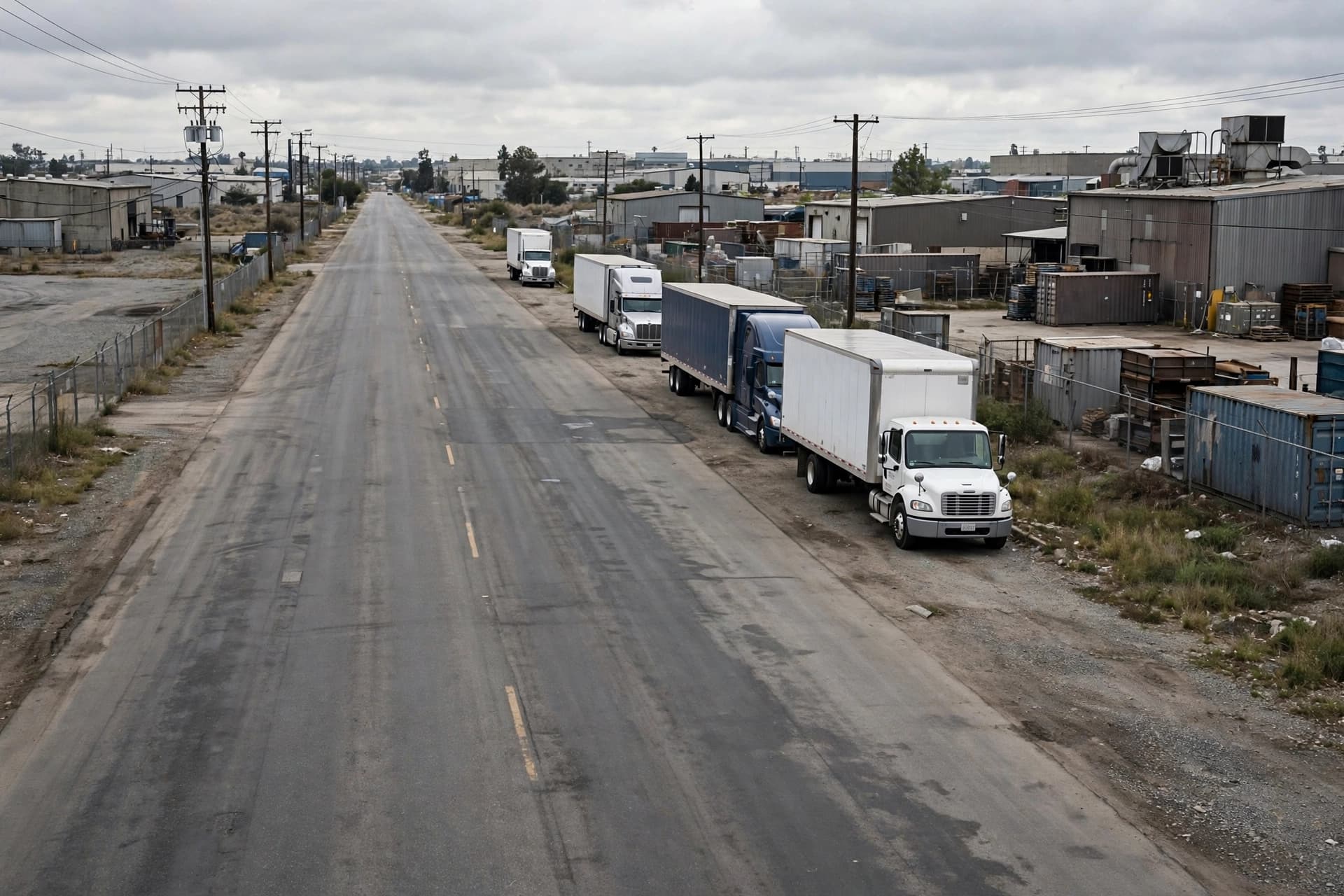
AI Image Disclaimer: Visuals are AI-generated and serve as conceptual representations.
Sources
ABC11 WRAL Business Insider WSOC-TV GasBuddy
Published by Banx Network. This article is part of the Banx decentralized media programme, powered by the BXE token on the XRP Ledger.