
Key Highlights
- Magyar's Victory: Péter Magyar's election signals a significant political shift in Hungary.
- Accountability Agenda:Plans for a national asset recovery office aim to restore public trust.
- International Response:European leaders express cautious optimism about Hungary's future.
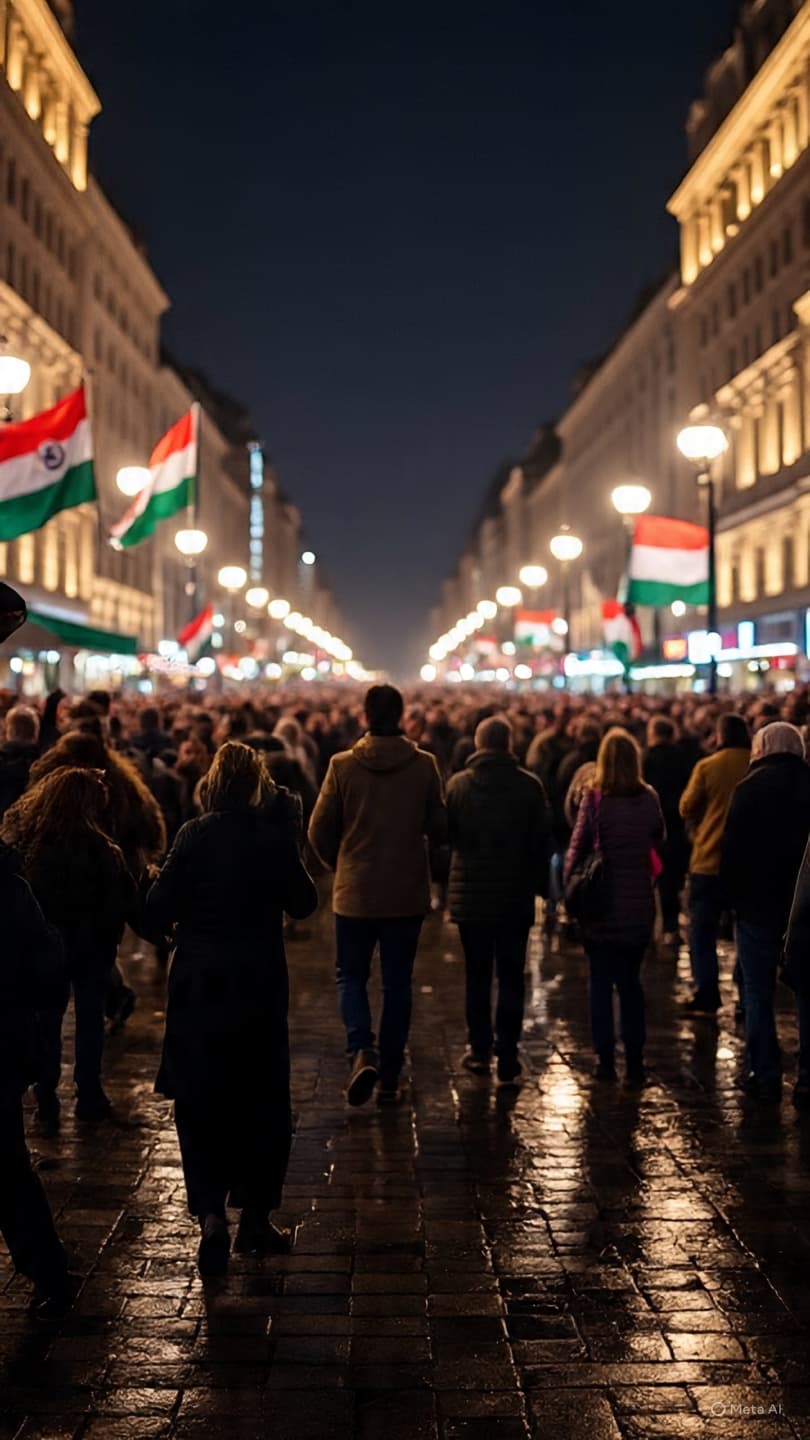
Hungary stands at a crossroads following the recent electoral victory of Péter Magyar, a moment that many hope will usher in a new era of accountability and reform. The streets of Budapest, once dominated by the long-standing rule of Viktor Orbán, now resonate with a sense of anticipation and the promise of change. Magyar's victory is not just a political shift; it represents a collective yearning for a government that prioritizes transparency and integrity.
In his first remarks after the election, Magyar described Hungary as a nation that had been “plundered” and “betrayed,” sentiments that echo the frustrations of citizens who have long felt disillusioned by corruption and mismanagement. With a commanding two-thirds majority in parliament, Magyar's Tisza party is poised to implement significant reforms that could reshape Hungary's political landscape for years to come.
Central to Magyar's agenda is a commitment to accountability. He has announced plans to establish a national asset recovery office aimed at investigating the misuse of public funds and cooperating with European prosecutors. This initiative is framed as a means of restoring trust in governmental institutions, which many citizens believe have strayed from their foundational principles of transparency and accountability.
Magyar's political journey adds depth to this narrative. Once aligned with Orbán's administration, he has emerged as a formidable opponent, reflecting a broader societal shift in Hungary. His transformation underscores the complexities of navigating a political landscape that has been deeply influenced by years of centralized power and control.
However, the path forward is fraught with challenges. The institutional framework in Hungary has been intricately woven over the past decade, with media, judiciary, and political networks deeply intertwined. The metaphor of rebuilding a house while still living in it aptly describes the delicate balance Magyar must maintain to avoid further destabilization.
Internationally, Magyar's election has been met with cautious optimism. European leaders, who have often clashed with Orbán's policies, are hopeful for renewed cooperation. The release of billions in frozen EU funds hinges on Hungary's ability to demonstrate genuine reforms that align with European standards, making accountability not just a domestic issue but a matter of international significance.
Domestically, public sentiment reflects a blend of hope and skepticism. While celebrations erupted following the election, many Hungarians remain vigilant, aware that political transitions can bring both opportunities and uncertainties. The pressing question for citizens is not whether change will occur, but how it will manifest in their daily lives.
As Hungary navigates this pivotal moment, Magyar's commitment to pursuing accountability for past wrongs will be a defining aspect of his leadership. The outcome of this pursuit—whether it fosters reconciliation or deepens divisions—will largely depend on how justice is framed and enacted in the coming months.
In this moment of recalibration, Hungary is revisiting its past while cautiously crafting its future, with the hope that accountability can indeed heal the wounds of its political history.
Published by Banx Network. This article is part of the Banx decentralized media programme, powered by the BXE token on the XRP Ledger.



