
Key Highlights
- The Mekong River is facing pollution from rare earth mining activities.
- Local communities report changes in water quality affecting their livelihoods.
- Environmental monitoring reveals elevated toxin levels in the river.
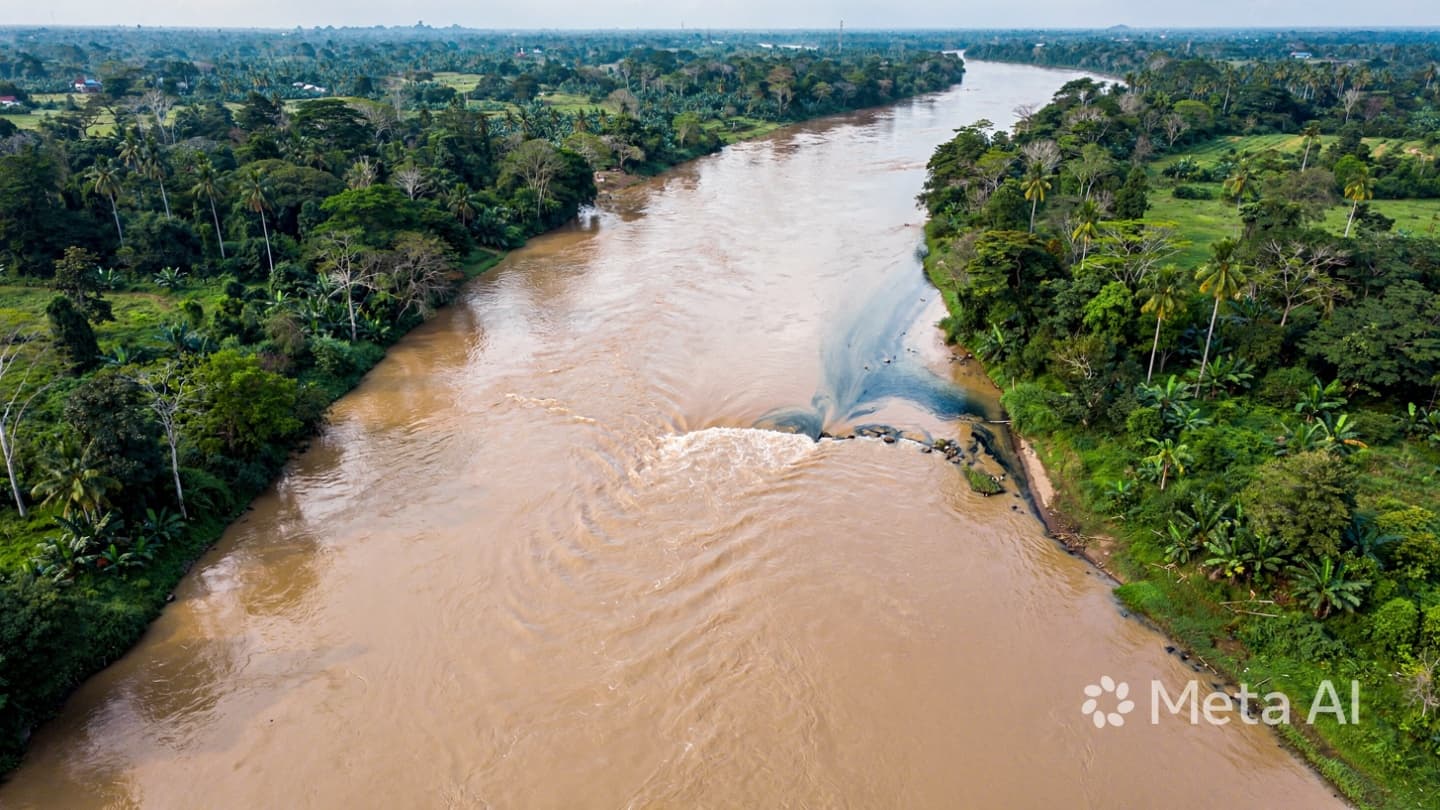
The Mekong River, often referred to as the lifeblood of Southeast Asia, is currently grappling with a significant environmental crisis. Stretching over 4,350 kilometers, this vital waterway supports millions of people who depend on its waters for drinking, agriculture, and fishing. However, recent reports indicate that the river is becoming increasingly polluted due to runoff from rare earth mineral mining operations, particularly near the Thailand border. This situation raises serious concerns about the health of the river and the communities that rely on it.
Rare earth minerals, essential for modern technology, are extracted through processes that can have devastating environmental consequences. As mining activities expand, they introduce toxic substances into the ecosystem, which can accumulate in the river's sediment and affect aquatic life. Reports from the South China Morning Post highlight that local environmental monitoring has detected alarming levels of pollutants in the Mekong, prompting investigations into the sources of contamination and their potential long-term impacts.
The effects of this pollution are already being felt by local communities. Fishermen who once thrived on the river's bounty are now facing declining fish populations, while farmers are concerned about the safety of the water they use for irrigation. The anxiety among residents is palpable, as they witness the transformation of their once-reliable water source into a potentially hazardous environment. The Mekong, which has historically provided sustenance and livelihood, is now seen as a source of uncertainty and risk.
Environmental observers are actively documenting the changes in the river's health. Their findings reveal a disturbing trend: the accumulation of toxins in both the water and the organisms that inhabit it. This slow, cumulative erosion of the river's ecosystem poses a significant threat not only to local wildlife but also to the health of the communities that depend on it. The situation underscores the conflict between economic development and environmental preservation, as the needs of the global market often overshadow the rights of local populations.
Authorities are grappling with the complexities of regulating mining operations while ensuring economic growth. The challenge lies in balancing the demand for rare earth minerals with the urgent need to protect the Mekong River and its surrounding environment. As investigations continue, the pressure mounts to find solutions that prioritize both economic interests and environmental sustainability.
As the sun sets over the Mekong, the river flows on, now burdened with the weight of industrial runoff. The once-pristine waters are a stark reminder of the costs associated with modern technology and the environmental sacrifices made in its pursuit. The Mekong remains a witness to the unfolding crisis, carrying with it the secrets of the earth and the consequences of human actions.
In conclusion, the situation surrounding the Mekong River serves as a critical case study in the ongoing struggle between development and environmental stewardship. As communities and environmental advocates call for action, the future of this vital waterway hangs in the balance, urging us to reconsider the true cost of our technological advancements.
Published by Banx Network. This article is part of the Banx decentralized media programme, powered by the BXE token on the XRP Ledger.



