
Key Highlights
- South Sudan's peace agreement from 2018 is under threat due to rising violence.
- Recent clashes have displaced civilians and disrupted local economies.
- International observers express concern over unresolved political disputes.
South Sudan, a nation whose history has been marked by both hope and turmoil, finds itself at a critical juncture once again. Since gaining independence in 2011, the country has oscillated between periods of relative peace and devastating conflict. The civil war that erupted in 2013 shattered communities and displaced millions, leading to a humanitarian crisis that still lingers today. Although a peace agreement signed in 2018 brought a semblance of stability, recent escalations in violence have raised alarms about the potential for a return to full-scale civil war.
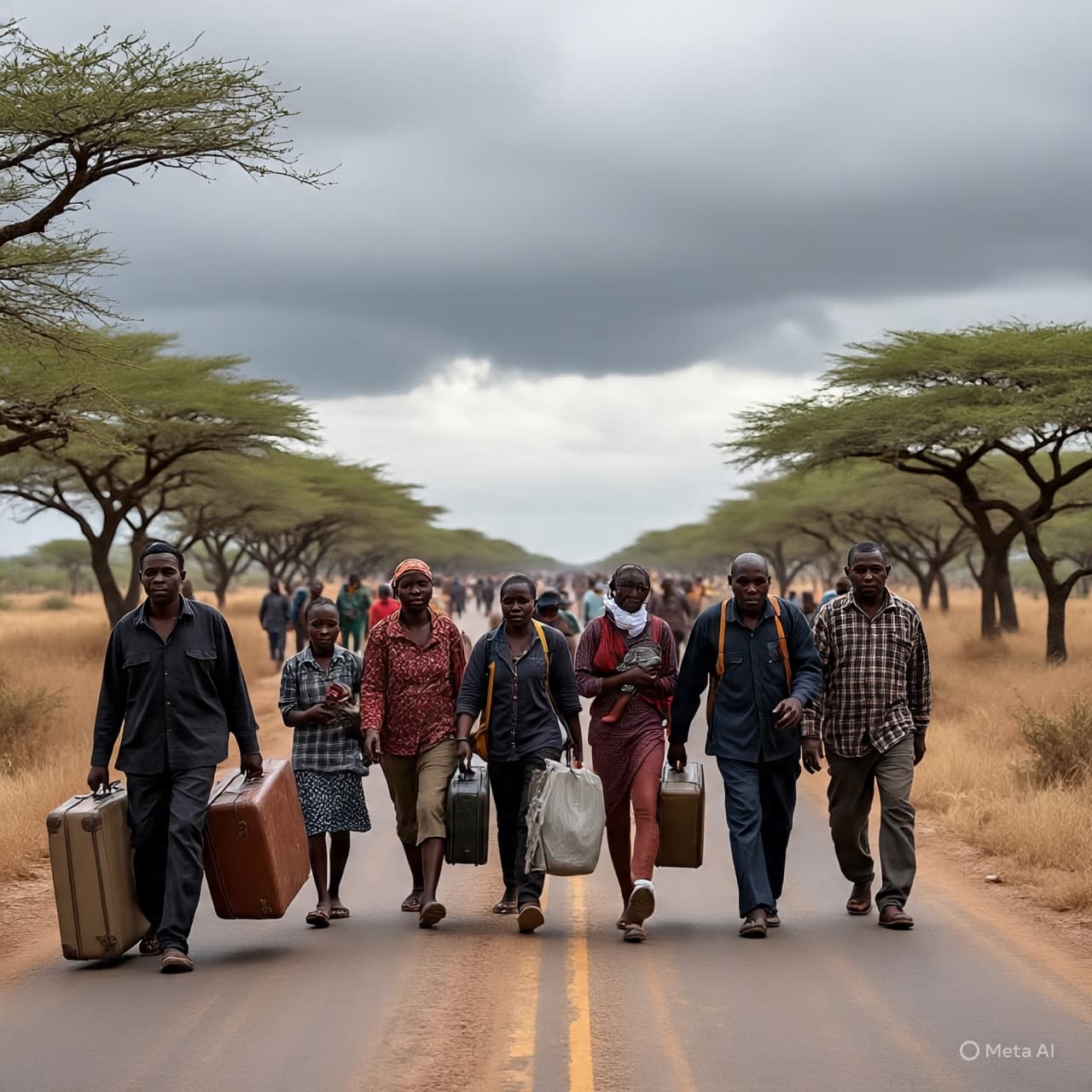
The fragile peace established by the unity government is now being tested as armed clashes erupt in various regions. These confrontations not only threaten the lives of civilians but also disrupt local economies, exacerbating the already dire humanitarian situation. Reports indicate that thousands have been displaced in recent weeks, with humanitarian agencies warning that the combination of violence, flooding, and food shortages is creating a perfect storm of vulnerability for many communities.
Officials from the unity government have attempted to reassure the public, emphasizing their commitment to dialogue and de-escalation. However, the reality on the ground tells a different story. Political leaders are grappling with unresolved disputes and delays in implementing key provisions of the peace deal, which have led to growing mistrust among the populace. The situation is further complicated by the intertwining of ethnic loyalties and local conflicts, which often blur the lines between national and community-level violence.
Humanitarian organizations are sounding the alarm, noting that as insecurity rises, access to aid becomes increasingly difficult. The ongoing flooding and economic hardships have already placed immense pressure on communities, and renewed violence could lead to even greater displacement and suffering. The stakes are high, as many families have only recently begun to rebuild their lives after years spent in displacement camps.
Regional actors, including neighboring countries and the Intergovernmental Authority on Development (IGAD), have historically played crucial roles in mediating crises in South Sudan. Their involvement may once again be vital in encouraging restraint and reinforcing the peace framework that, while fragile, remains the country's guiding structure.
For the ordinary citizens of South Sudan, the potential for renewed civil war is not merely a political concern; it represents a threat to their hard-won stability. Many have returned to their homes, reopened markets, and resumed schooling for their children after years of conflict. The possibility of another outbreak of violence looms large, and the choices made by political leaders in the coming weeks will be pivotal in determining the nation's trajectory.
Analysts suggest that while violence has intensified in certain areas, the situation has not yet reached the scale of the previous civil war. Much will depend on whether political leaders can prioritize compromise over confrontation and whether security forces can maintain unity under civilian command. The unity government faces increasing pressure to accelerate reforms outlined in the peace agreement, including the unification of armed forces and preparations for long-delayed elections. These steps are essential for restoring public confidence and reducing the appeal of armed alternatives.
As tensions rise, diplomatic efforts are expected to intensify. International partners continue to call for restraint, protection of civilians, and renewed commitment to dialogue. The coming weeks may prove decisive in determining whether localized clashes subside or expand, as South Sudan stands at a familiar crossroads, with the echoes of past conflict still resonating in the background.
Published by Banx Network. This article is part of the Banx decentralized media programme, powered by the BXE token on the XRP Ledger.



