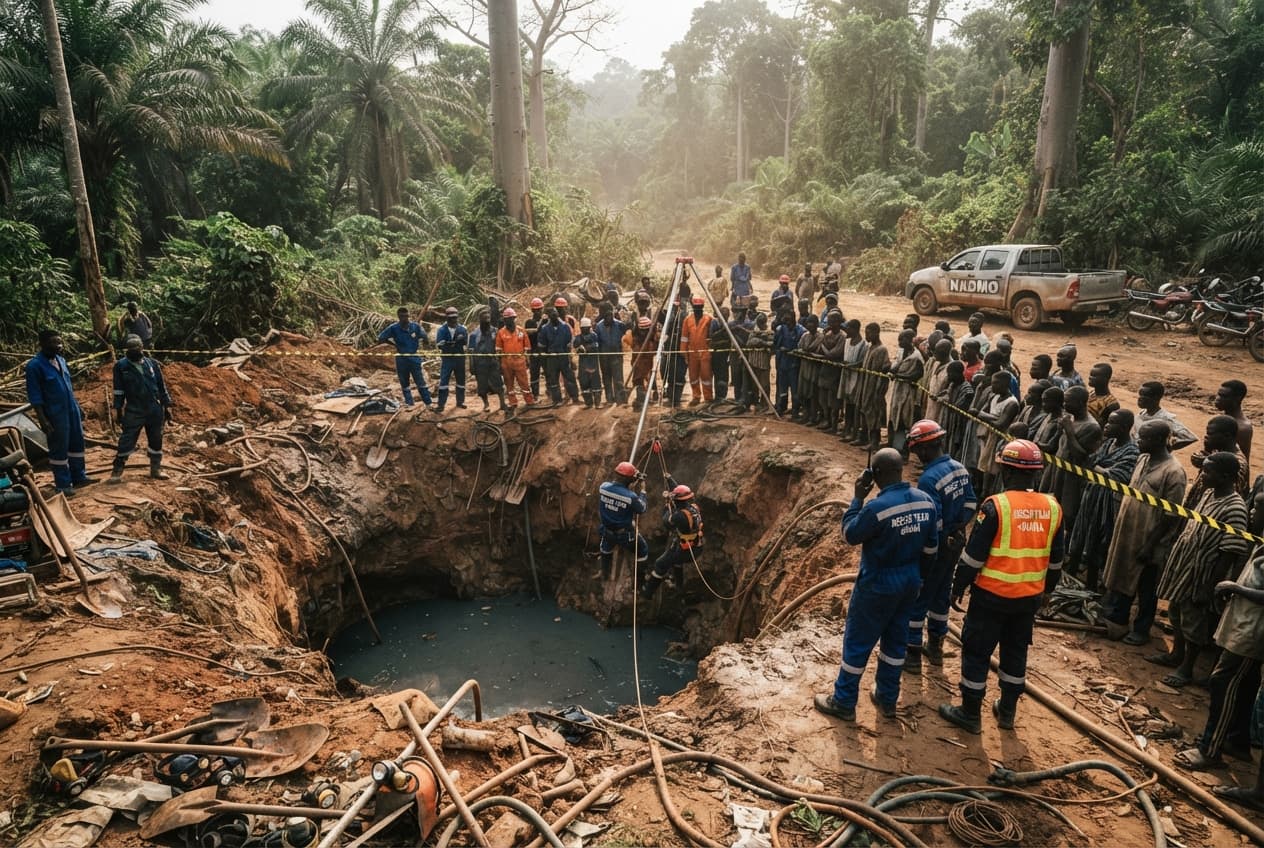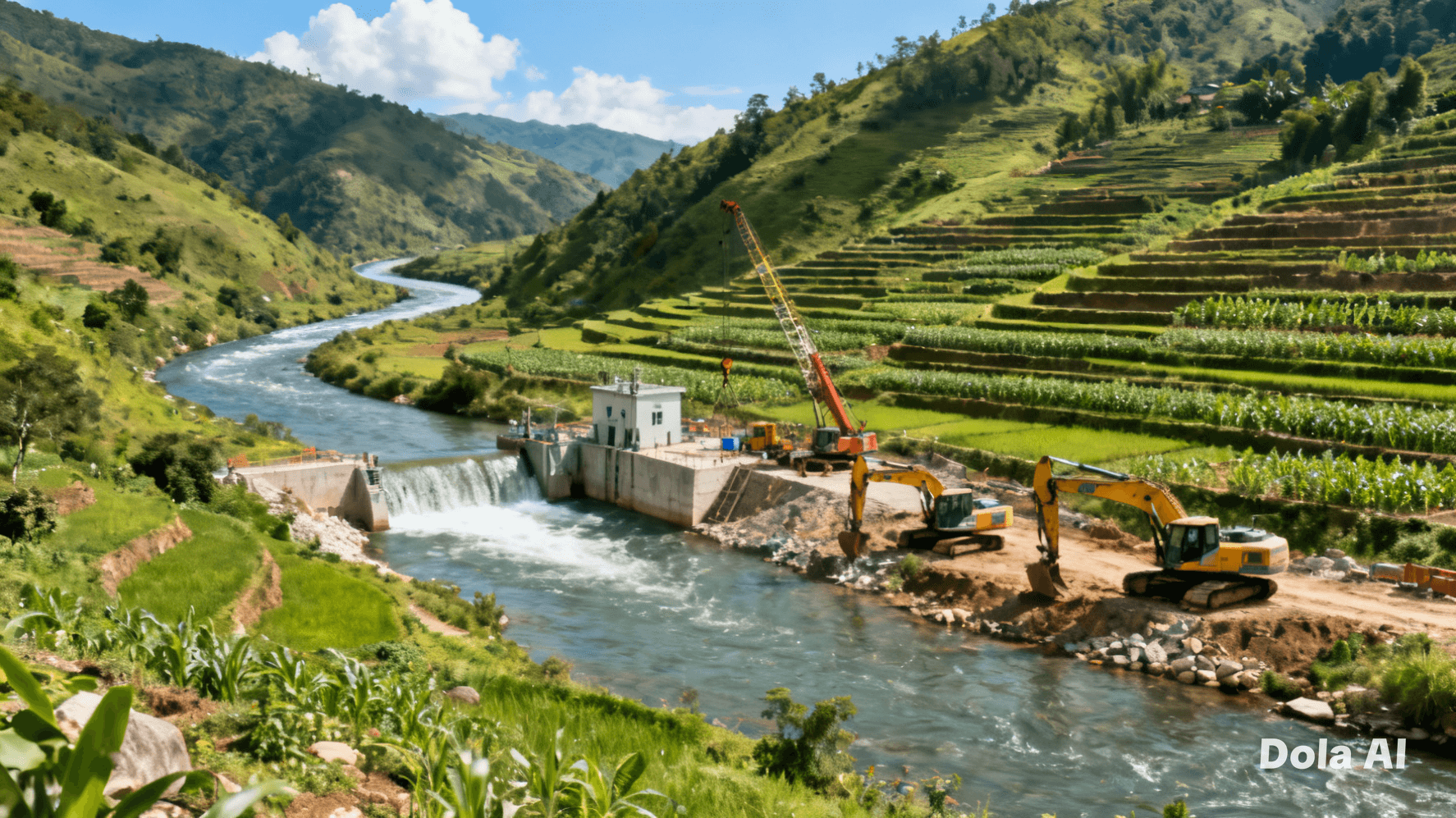
In places where rivers descend through hills and forests, energy is often imagined as a promise — a current that can illuminate homes, strengthen local economies, and anchor development in remote landscapes. Yet, when infrastructure arrives upon land long cultivated by memory and livelihood, the promise can fracture into tension. Such a moment has emerged in , where residents protesting a mini-hydropower project say their voices were met not with dialogue, but with force.
Reports indicate that several villagers were assaulted during a protest opposing the construction of a Pembangkit Listrik Tenaga Minihidro (PLTMH) facility. Community members claim the project displaced their gardens and farmland — spaces that sustain daily life and carry generational ties — prompting demonstrations demanding clarity over land rights, compensation, and environmental impact. What began as an expression of grievance reportedly escalated into confrontation, leaving residents injured and deepening mistrust.
The planned mini-hydropower facility is part of broader efforts to expand renewable energy capacity in rural Indonesia. Small-scale hydropower is often promoted as a sustainable solution for electrification, particularly in regions where grid access remains limited. Advocates emphasize its low emissions and long-term energy benefits. However, projects situated in inhabited or cultivated areas can trigger disputes if land acquisition processes lack transparency or community consent.
Local residents assert that their cultivated plots were cleared or rendered unusable during early project activities. For farming communities, even small parcels of land represent food security, income, and inheritance. The loss of such land without agreement or adequate compensation can transform development initiatives into sources of conflict rather than shared progress.
Authorities have been urged to investigate the alleged violence and facilitate mediation between the company and affected residents. Civil society groups stress that infrastructure development must prioritize free, prior, and informed consent, ensuring that communities understand project impacts and retain a meaningful role in decision-making. Without this foundation, projects risk social friction that can outlast their construction.
Environmental observers also note that micro-hydropower installations, while renewable, still reshape waterways and surrounding ecosystems. Changes in water flow, sediment patterns, and access routes can affect agriculture and biodiversity. Transparent environmental assessments and ongoing monitoring are therefore essential to maintaining ecological balance alongside energy production.
The incident in Manggarai illustrates a broader tension seen in many developing regions: the intersection of sustainability goals, economic investment, and local rights. Renewable energy may promise a brighter future, but its path must be built through dialogue rather than displacement.
For the residents whose gardens once traced the contours of the land, the dispute is not only about electricity or infrastructure. It is about belonging, livelihood, and the right to be heard when change arrives at their doorstep. Whether resolution comes through negotiation, investigation, or policy review, the outcome will shape not only a project’s future, but the fragile trust between development and community.
AI Image Disclaimer Images in this article are AI-generated illustrations, meant for concept only.
Sources : Kompas Tempo CNN Indonesia Antara News Mongabay Indonesia
Published by Banx Network. This article is part of the Banx decentralized media programme, powered by the BXE token on the XRP Ledger.