
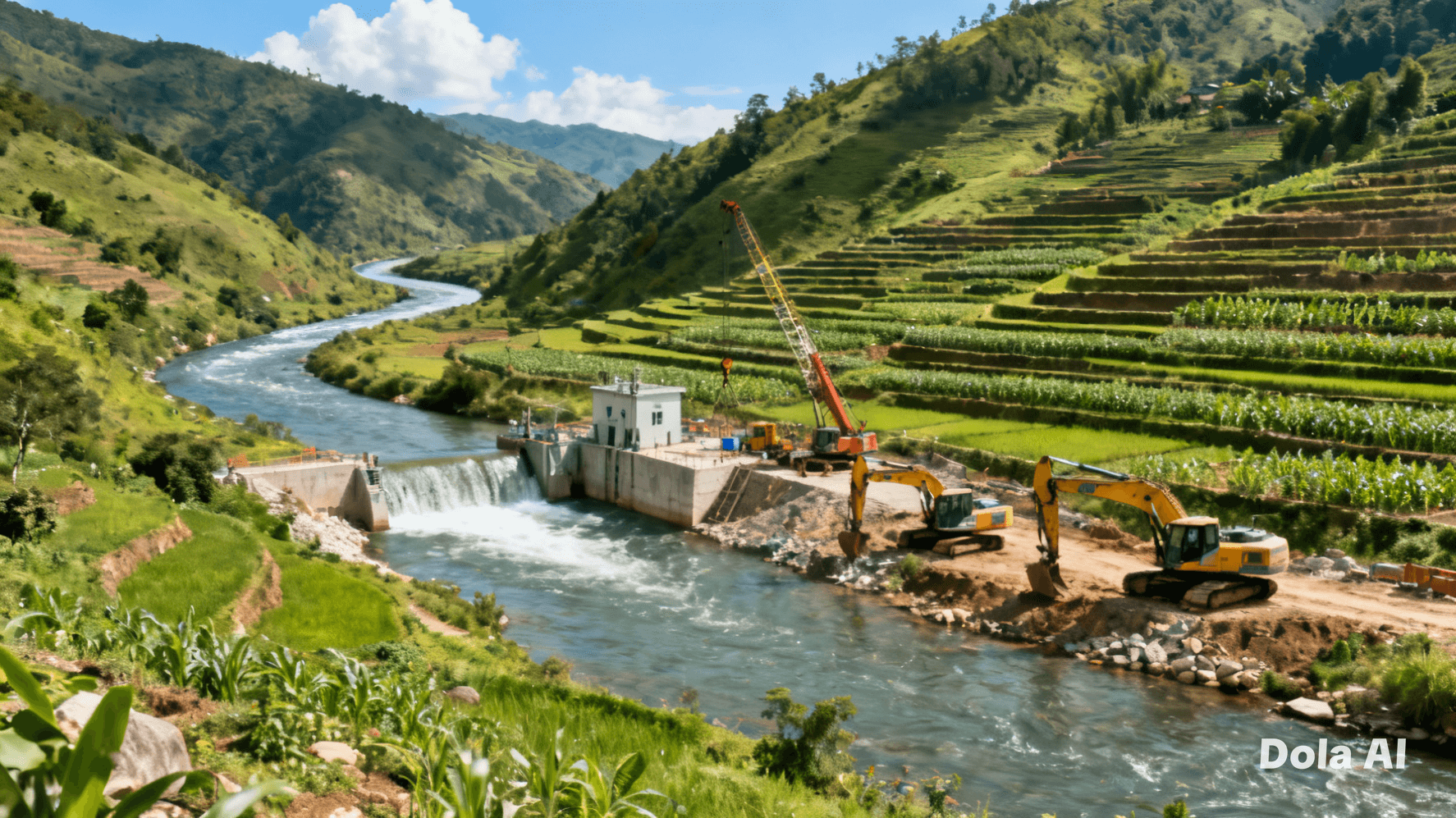
Key Highlights
- Location:Protests in Manggarai, Indonesia against a mini-hydropower project.
- Community Response:Residents claim displacement of farmland and violence during protests.
- Broader Context:The incident reflects ongoing tensions between renewable energy initiatives and local rights.
In rural Indonesia, where rivers flow through lush landscapes, the promise of energy generation often brings hope for development and electrification. However, this promise can quickly turn into conflict when local communities feel their rights and livelihoods are threatened. Recently, in Manggarai, residents have taken to the streets to protest a mini-hydropower project, claiming that the construction has led to the displacement of their gardens and farmland, essential for their daily sustenance and cultural heritage.
Reports indicate that during a protest against the Pembangkit Listrik Tenaga Minihidro (PLTMH) facility, several villagers were reportedly assaulted. The community's grievances center around the loss of land that has been cultivated for generations, raising urgent questions about land rights, compensation, and the environmental impact of such projects. What began as a peaceful demonstration escalated into violence, leaving many residents injured and deepening the mistrust between the community and the developers.
The mini-hydropower facility is part of Indonesia's broader strategy to enhance renewable energy capacity, particularly in areas where access to the electrical grid is limited. Proponents of small-scale hydropower argue that it offers a sustainable solution with low emissions and long-term benefits. However, the reality on the ground can be starkly different, especially when land acquisition processes lack transparency and community engagement.
Local residents assert that their cultivated plots were cleared or rendered unusable during the initial phases of the project. For these farming communities, even small parcels of land are vital for food security and economic stability. The loss of such land without proper agreements or compensation can turn development initiatives into sources of conflict rather than pathways to progress.
In response to the violence, authorities have been called upon to investigate the incidents and facilitate dialogue between the company and the affected residents. Civil society organizations emphasize the importance of free, prior, and informed consent in infrastructure development, ensuring that communities are fully aware of the potential impacts and have a say in the decision-making process. Without this foundation, projects risk igniting social tensions that can persist long after construction is completed.
Environmental experts also caution that while micro-hydropower installations are renewable, they can still significantly alter local ecosystems. Changes in water flow, sediment patterns, and access routes can disrupt agriculture and biodiversity. Therefore, thorough environmental assessments and ongoing monitoring are crucial to maintaining ecological balance alongside energy production.
The situation in Manggarai exemplifies a broader challenge faced by many developing regions: balancing sustainability goals with economic investment and local rights. While renewable energy holds the potential for a brighter future, its implementation must prioritize dialogue and community engagement to avoid displacement and conflict.
For the residents of Manggarai, the dispute transcends mere electricity or infrastructure; it is about their connection to the land, their livelihoods, and their right to be heard as change unfolds in their communities. The resolution of this conflict will not only determine the future of the mini-hydropower project but also influence the fragile trust between development initiatives and local populations.
Published by Banx Network. This article is part of the Banx decentralized media programme, powered by the BXE token on the XRP Ledger.



