
Key Highlights
- Over 5,000 residents displaced due to severe flooding in Southern Brazil.
- Authorities have declared a state of emergency across multiple municipalities.
- Record rainfall has caused major rivers to breach their banks, affecting critical infrastructure.
The southern reaches of Brazil have long existed in a delicate balance with water, a region where rivers serve as both lifeblood and architect of the plains. This land, known for its immense fertility and rhythmic rains, has recently been overwhelmed by persistent downpours, transforming familiar landscapes into vast, silver mirrors of displacement. The current flooding crisis has prompted authorities to declare a state of emergency, as communities grapple with the aftermath of record rainfall.
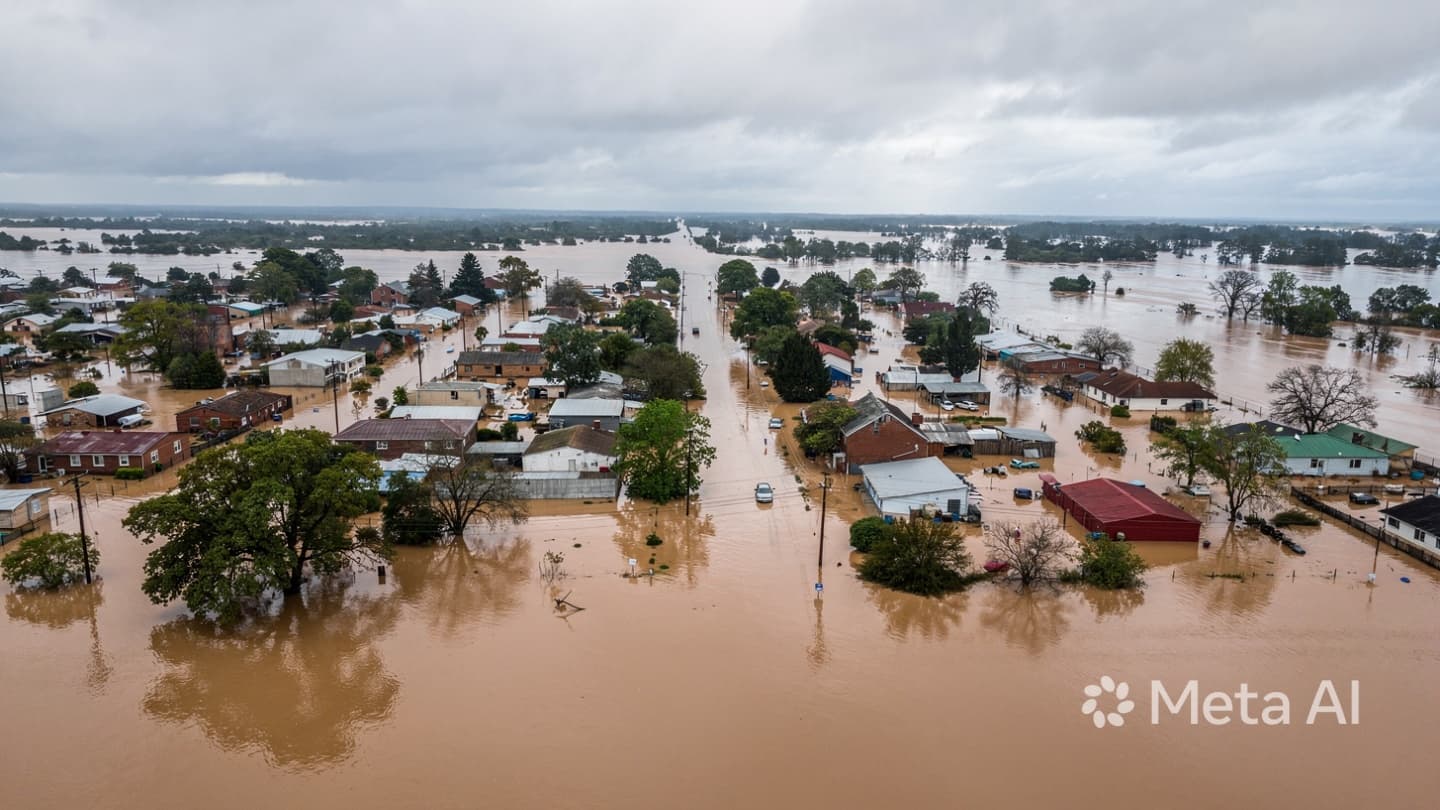
Witnessing the rise of the flood reveals the absolute vulnerability of the structures we call home. Streets, once the arteries of the community, have become extensions of the river, carrying debris toward an uncertain horizon. As of now, over 5,000 residents have been uprooted, forced to abandon their homes for temporary shelters, including gymnasiums that now serve as makeshift refuges.
In the wake of such a disaster, a profound silence follows the declaration of emergency—a moment where the usual hum of daily life is replaced by the constant roar of moving water. The loss is not just in numbers but in the absence of familiar routines. Submerged fences and floating furniture serve as stark reminders of an atmospheric event that has disrupted lives and communities.
The southern plains are no strangers to the temper of the clouds, yet each inundation carries its own weight of sorrow. The water does not merely sit; it reclaims, blurring the lines between domestic and wild with cold indifference. This serves as a sobering reminder of humanity's place within the natural cycle, where the environment can rewrite geography at any moment.
Rescue efforts are underway, moving with a heavy, deliberate pace across newly formed channels. Small boats from civil defense teams navigate the brown currents, appearing fragile against the scale of the surge. Neighbors are helping neighbors, showcasing a communal resilience that emerges in the wake of disaster, binding spirits tested by relentless rain.
Inside the shelters, the air is thick with the scent of damp wool and a heavy atmosphere of collective waiting. People gaze at the sky, longing for a break in the gray that might signal the end of their ordeal. The water represents a sudden pause in the region's narrative, a period of uncertainty where the future remains as murky as the floodwaters.
As authorities coordinate logistics for aid, the focus remains on the immediate survival of those whose lives have been turned upside down. The process of reclamation will be long and arduous, a slow drying of both the land and the spirit. The southern heartland remains vast and enduring, but the memory of the rising tide will leave a permanent mark on the map.
Authorities are prioritizing evacuations and the delivery of essential supplies to isolated communities, as meteorological reports indicate that more rain may be on the way. The Global Disaster Alert and Coordination System (GDACS) has confirmed that record rainfall has caused major rivers to breach their banks, inundating residential areas and cutting off critical infrastructure.
As the situation develops, the resilience of the affected communities will be tested, and the recovery process will require significant support and resources to restore normalcy in the region.
Published by Banx Network. This article is part of the Banx decentralized media programme, powered by the BXE token on the XRP Ledger.



