
Along the southern reaches of Honduras, where the Gulf of Fonseca cradles the land in a warm and salty embrace, the sea is beginning to tell a new and unsettling story. University researchers have embarked on a sophisticated effort to map the vulnerability of these coastal communities to rising sea levels. It is a narrative of observation and foresight, a quiet study of the interface between a climbing ocean and the lives of those who have built their homes on the edge of the world.
To watch the tide is to witness the slow-motion pulse of the planet. In the southern departments of Valle and Choluteca, that pulse is becoming more pronounced, reaching further into the mangroves and the salt flats than ever before. The researchers move across this landscape with the tools of modern science, documenting the subtle shifts in the shoreline. Their work is a reflective inquiry into the future, a narrative of preparation for a world where the boundary between land and water is no longer fixed.
There is a particular kind of gravity in the act of mapping loss. It is the labor of identifying which homes, which farms, and which memories are most at risk from the advancing blue. The university project is an editorial on the necessity of adaptation, a recognition that the resilience of a community depends on its ability to see what is coming. The maps being created are more than just data; they are a narrative of care for the collective survival of the southern coast.
The atmosphere in the fishing villages is one of quiet, watchful concern. For the people who live here, the sea is both a provider and a threat. The research project seeks to empower these communities by giving them the clarity of information. It is a story of partnership, where the academic knowledge of the university meets the lived experience of the coastal dweller. Together, they are drafting a blueprint for a future that must be built on higher ground.
One might imagine the rising sea level as a slow, inevitable change in the rhythm of the coast. By documenting this change, the researchers are providing the state with the evidence needed to protect its people. The focus is on the structural vulnerability of the infrastructure—the roads, the schools, and the wells that sustain life. It is a narrative of foresight, a choice to face the reality of the changing climate with a clear eye and a steady hand.
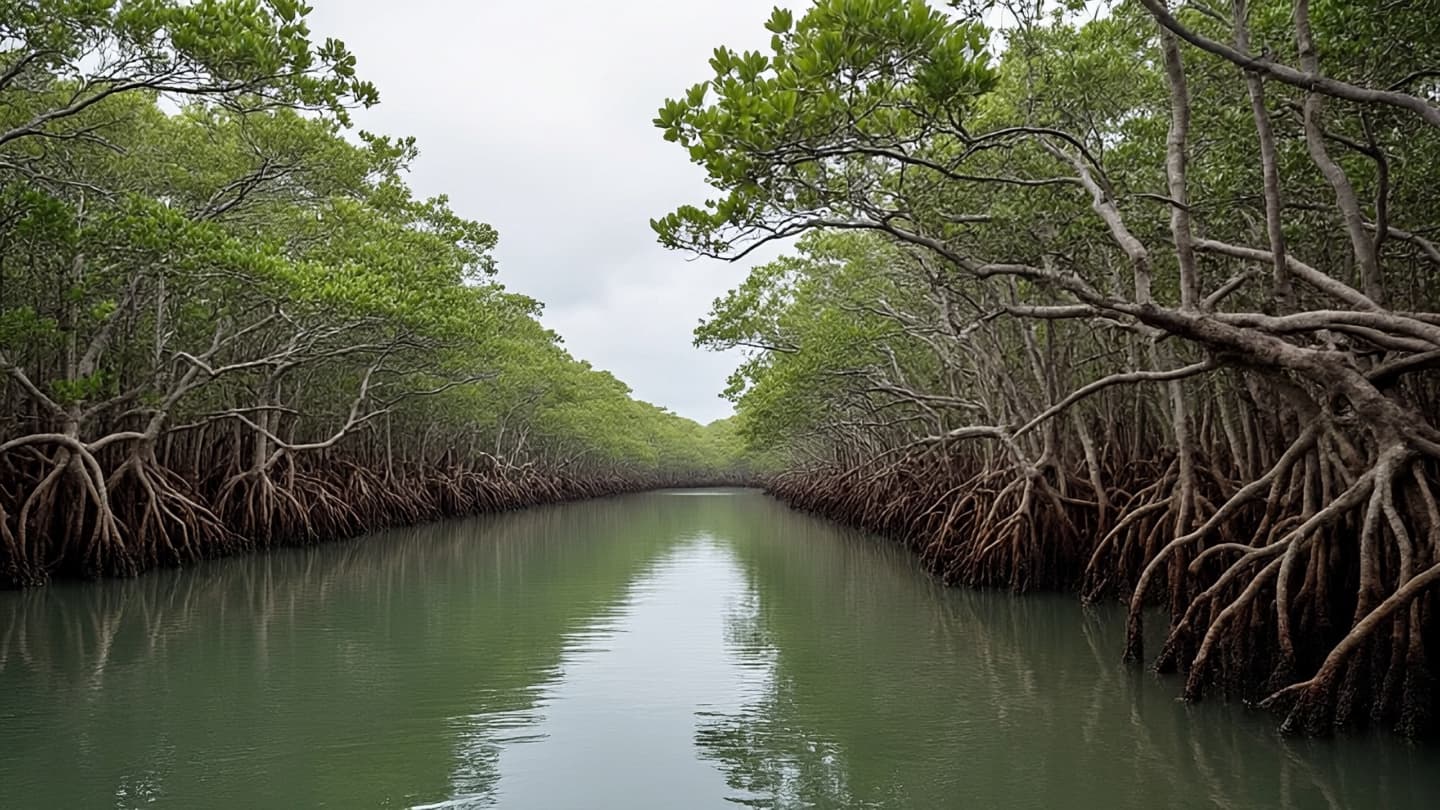
The motion of the research teams through the wetlands is a testament to the importance of the work. They navigate the intricate channels of the mangroves, measuring the depth of the water and the height of the land. The editorial tone is one of scientific restraint, a calm presentation of the facts that allows the gravity of the situation to speak for itself. The maps they produce are the silent witnesses to the shifting geography of the southern border.
This period of study is characterized by a reflective assessment of the human footprint on the coast. It asks how the choices made today will echo in the years to come as the ocean continues its steady ascent. The narrative is one of responsibility, a call to consider the long-term health of the coastal ecosystems and the safety of the people who depend on them. The shift is one of perspective, moving from a static view of the land to a dynamic understanding of a world in flux.
In the final reflection, the mapping of coastal vulnerability in southern Honduras is a story of a nation looking ahead. It is a reminder that while the sea may be rising, the human capacity for adaptation and protection remains a powerful force. In the soft light of the Gulf, the work of the researchers stands as a beacon of clarity, a quiet promise that the communities of the south will not be left to face the rising tide alone.
Published by Banx Network. This article is part of the Banx decentralized media programme, powered by the BXE token on the XRP Ledger.



