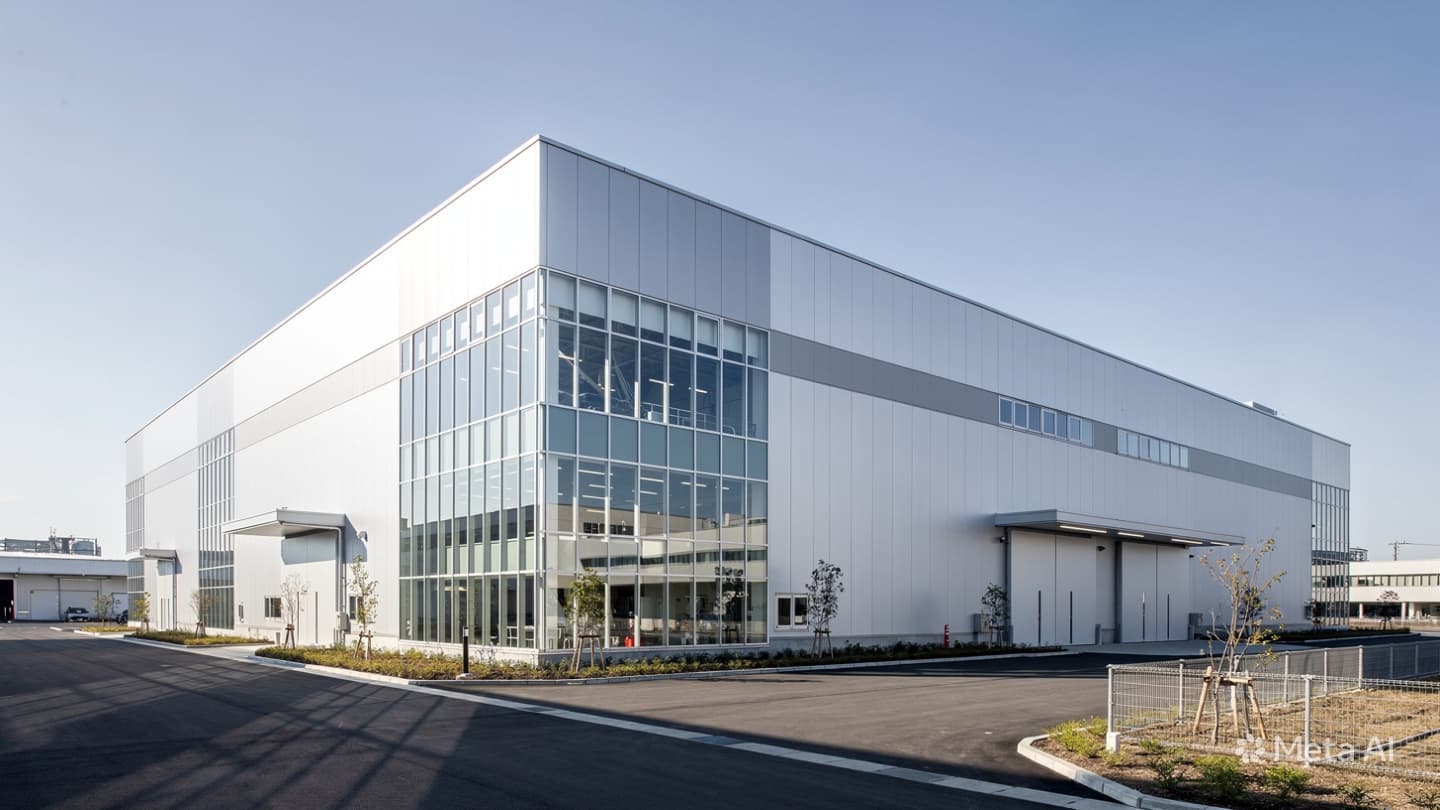
The sprawling factories of Aichi Prefecture hum with the relentless, rhythmic pulse of production, a modern-day heartbeat that dictates the flow of commerce across the nation. In these vast, interconnected spaces, time is not measured by the sun or the seasons, but by the steady march of assembly lines and the precision of mechanical cycles. It is a landscape of controlled motion, where humanity and machine are fused in a shared endeavor of creation. Yet, this systematic efficiency relies on a foundation of absolute order, and when that order is breached, the silence that descends is heavy and profound.
Within the gleaming walls of the manufacturing plant, workers move with a familiarity born of repetition, their tasks woven into the fabric of the facility’s daily operation. To an observer, the floor appears as a well-choreographed dance, a testament to the sophistication of modern engineering. But beneath the surface of this industrial marvel lies a vulnerability, a narrow margin between the mechanical purpose of the site and the fragile nature of those who inhabit it. When a technical failure or a momentary shift in the environment occurs, the facility’s carefully managed clockwork can stumble.
On the morning of June 18, 2026, the familiar rhythm was interrupted by an accident that shifted the gravity of the entire plant. Reports from the facility indicated an industrial mishap that claimed the life of an employee, a sudden and quiet departure in an environment defined by noise and activity. For those working nearby, the shift from the hum of production to the sharp, jarring stillness of an emergency response is a transition that leaves an indelible mark. The machinery, once a symbol of progress, becomes a backdrop to a deeply human loss.
Emergency teams navigated the complex layout of the plant with practiced speed, but their arrival served to formalize the tragic reality rather than rewrite it. In the wake of such an event, the atmosphere inside the plant alters; the focus moves from the output of parts to the sanctity of the space. The colleagues who work alongside one another, sharing the daily burden of labor, find themselves in a collective moment of pause. It is a shared sorrow that respects no corporate hierarchy and recognizes only the loss of a presence that was, until moments prior, an essential part of the machine.
Investigations into industrial accidents are inherently clinical, a necessary process of parsing events to ensure the integrity of future operations. Safety inspectors and corporate officials look for the breakdown—a failed sensor, a structural vulnerability, or a procedural gap—that allowed the tragedy to occur. They operate with a necessary distance, seeking to rebuild the safety of the plant through the lens of data and mechanical analysis. However, for those on the ground, the findings offer little relief, as the emotional weight of the loss persists long after the incident is filed away.
The impact of such an incident radiates outward, touching not just the family of the deceased, but the entire community that relies on the plant’s existence. Aichi’s manufacturing sector is the backbone of the regional economy, and the workers are the vital cells that sustain its health. When one of these cells is lost, it creates a ripple that disrupts the perceived stability of the entire system. It forces a quiet introspection, a questioning of the price paid for the goods that populate our world and the safety of those who assemble them.
This narrative is not one of blame or condemnation, but of acknowledgment. It is a recognition of the inherent risk that shadows every corner of our industrial lives, and the gravity with which such events are handled in the heart of Japan’s manufacturing landscape. As the investigation proceeds, the plant will eventually resume its steady hum, the lines will start again, and the products will flow as if the morning’s quiet did not happen. Yet, in the memory of those who were there, the rhythm has been permanently altered.
The investigation into the fatality at the manufacturing plant in Aichi is currently being conducted by local authorities and company safety inspectors. The facility has suspended operations on the affected line to facilitate a thorough review of safety protocols.
Published by Banx Network. This article is part of the Banx decentralized media programme, powered by the BXE token on the XRP Ledger.