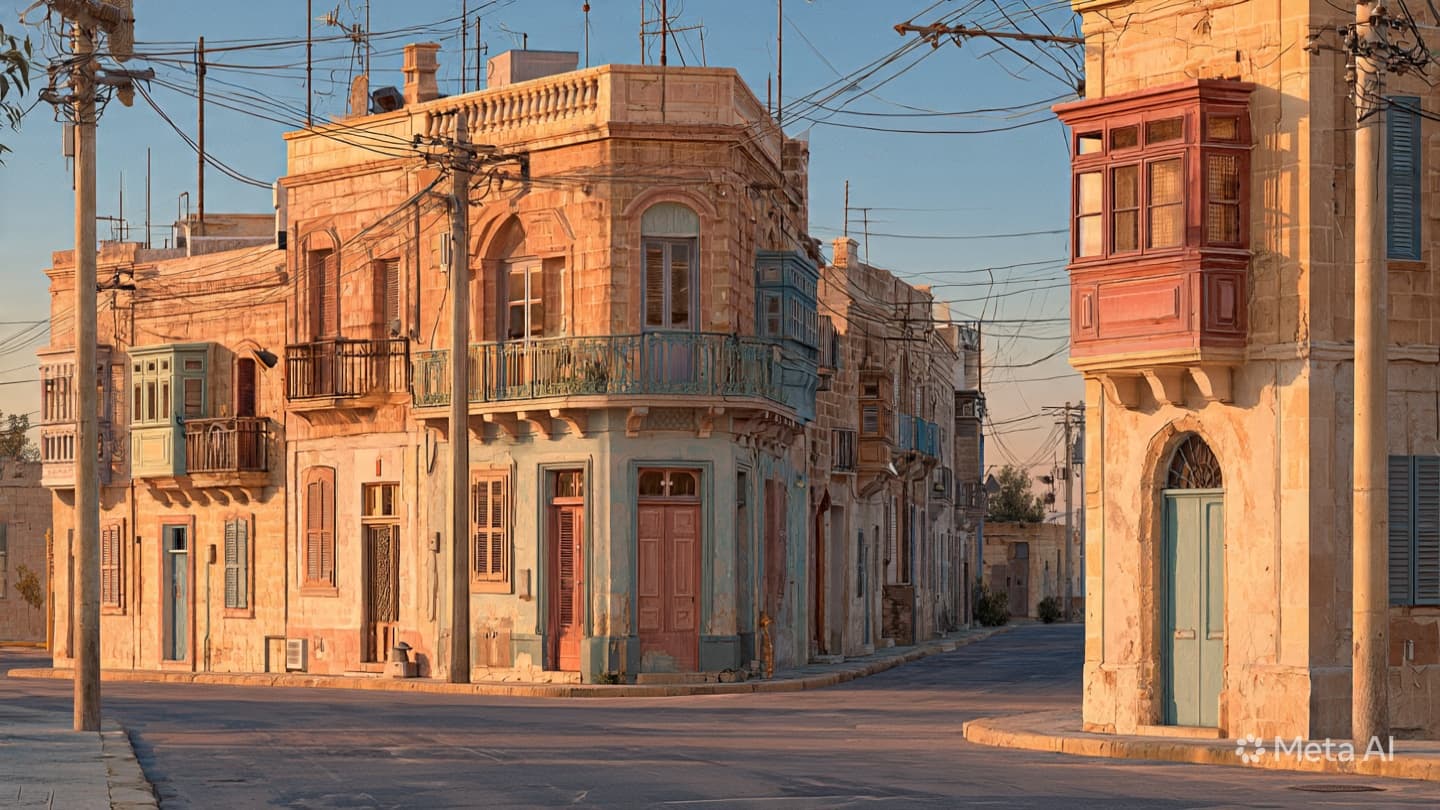
The streets of Paola, much like the arteries of any bustling town, are defined by a constant, flowing motion. It is a dance of commuters, shoppers, and residents, all navigating the shared space with an implicit, often unspoken, agreement of caution. Yet, there are moments when this choreography is abruptly disrupted, when the momentum of a machine meets the vulnerability of a person, and the world momentarily stops to reckon with the consequences of an unforeseen collision.
When a pedestrian is struck, the event is not merely a clinical incident; it is a profound rupture in the fabric of the daily routine. For the woman who was crossing the street, the world changed in the time it took for a motorcycle to traverse the distance between an ordinary journey and an emergency room. It is a stark reminder that even in the most familiar settings, the balance of safety is delicate, held together by nothing more than the grace of attention and the adherence to the rules of the road.
The response from the emergency services is a model of practiced, necessary efficiency. From the arrival of the sirens that cut through the afternoon air to the arrival of the medical teams, the focus is singular: to preserve the life that has been so suddenly imperiled. There is a weight to this work, a gravity that is felt by the first responders and the witnesses alike, who find themselves standing on the periphery of a trauma that is deeply, unmistakably human.
As the woman was stabilized and moved toward the hospital, the scene in Paola began the slow process of returning to its baseline. The debris was cleared, the traffic eventually resumed its pulse, and the focus shifted from the external scene to the private, quiet struggle within the wards of Mater Dei. It is a transition that many never truly witness, a move from the public sphere of the street to the sterile, measured atmosphere of recovery.
For the motorcyclist, the experience is its own form of disorientation—a shift from the operator of a machine to a participant in a tragedy that leaves lasting marks on the conscience. The investigation that follows is a necessary mechanism, an attempt to bring clarity to the chaos and to assign the measure of responsibility that the law demands. It is a process of reconciliation, seeking the truth amidst the shock of the event.
The community, in its collective observation, is left to reflect on the nature of their shared environment. It is a call for a heightened awareness of the fragility of our movements and the importance of the systems we have built to govern the way we travel. Every incident of this nature serves as a quiet, pressing reminder that we are all, in a sense, pedestrians on the same path, vulnerable to the accidents that can happen when the rhythm of the world goes awry.
As the woman undergoes her recovery, the focus remains on the resilience of the human spirit. It is a testament to our capacity to endure, to mend, and to move forward, even when the path has been shattered by a single, unexpected moment of violence. The people of Paola, while moving on, hold the memory of the incident as a marker of the importance of vigilance and the essential necessity of care for one another on the roads they share.
In the final analysis, the story of the collision is a reflection on the interconnectedness of our lives. It is a reminder that we are responsible for the space we occupy and the motion we generate. We are reminded, in the stillness that follows such a crash, of the weight of our presence and the fragility of the life that we carry through the streets each and every day.
Published by Banx Network. This article is part of the Banx decentralized media programme, powered by the BXE token on the XRP Ledger.