
Key Highlights
- Recent drone strikes at Ust-Luga port disrupt Russian energy exports.
- The strikes reflect a strategic shift in Ukraine's approach to the conflict.
- Global energy markets are closely monitoring the situation for potential impacts.
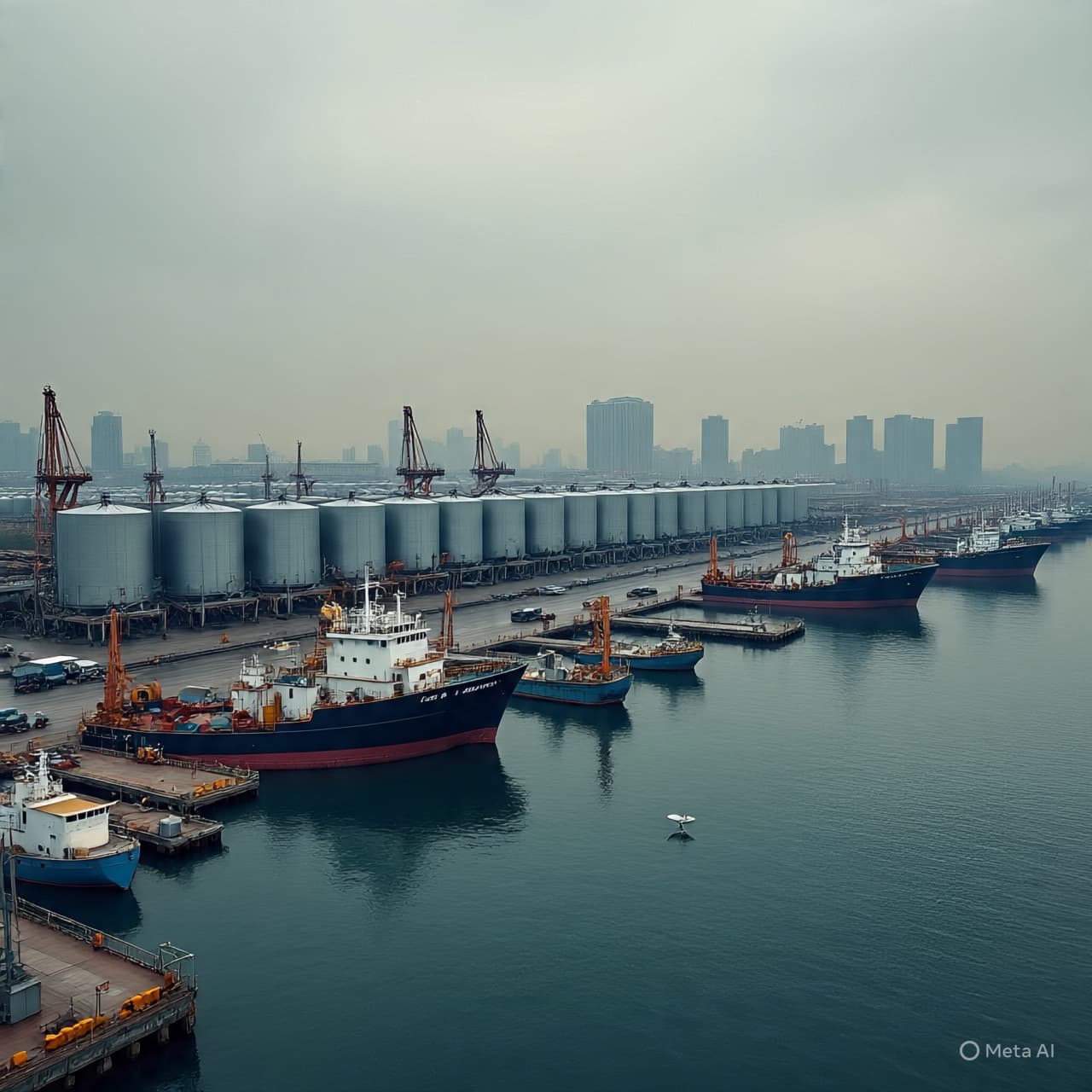
The Ust-Luga port, a vital hub for Russian energy exports, has recently experienced disruptions due to Ukrainian drone strikes targeting its infrastructure. This incident underscores the ongoing conflict between Ukraine and Russia, highlighting how warfare tactics are evolving in the region. The drone strikes, which reportedly hit an oil terminal, are not isolated events but part of a broader strategy aimed at undermining Russia's energy capabilities.
Ust-Luga, located along the Baltic Sea, plays a crucial role in facilitating the flow of oil and gas from Russia to international markets. The port's infrastructure is designed to handle significant volumes of exports, making it a strategic target for Ukraine. Disruptions at such key locations can have far-reaching consequences, affecting shipping schedules and logistical operations across the globe.
The use of drones signifies a shift in military tactics, moving away from large-scale confrontations to more precise, targeted actions. This approach allows Ukraine to exert pressure on critical infrastructure without engaging in traditional ground battles. By focusing on energy-related facilities, Ukraine aims to create friction in systems that rely on stability and continuity, thereby influencing the broader conflict dynamics.
For Russia, the repeated strikes at Ust-Luga present significant challenges. The port is equipped with various security measures, yet the frequency of these attacks raises concerns about the effectiveness of its defenses. Each incident necessitates a reassessment of security protocols and operational resilience, as the country grapples with maintaining its energy export capabilities amid ongoing hostilities.
The implications of these strikes extend beyond the immediate region, impacting global energy markets. Oil prices are sensitive to disruptions at major export points, and traders are closely monitoring developments at Ust-Luga. Any indication of instability can lead to fluctuations in market expectations, affecting supply chains and pricing strategies worldwide.
Moreover, the narrative surrounding these strikes contributes to perceptions of vulnerability within Russia's energy sector. The ongoing nature of these attacks suggests a sustained effort by Ukraine to target critical infrastructure, which may alter how stakeholders view the conflict's trajectory. As the situation evolves, the potential for further disruptions remains a concern for both nations and the international community.
While the immediate effects of the drone strikes may not be fully realized, the long-term implications are significant. Infrastructure resilience will be tested, and the ability of ports like Ust-Luga to adapt to these challenges will be crucial in determining the future of energy exports from Russia. As operations continue under heightened scrutiny, the fluid nature of the conflict suggests that further developments are likely.
In summary, the recent drone strikes at Ust-Luga port highlight the changing dynamics of the conflict between Ukraine and Russia. As both sides adapt their strategies, the impact on global energy markets and regional stability will be closely watched.
Published by Banx Network. This article is part of the Banx decentralized media programme, powered by the BXE token on the XRP Ledger.



