There is a particular tension in the way the world responds to an outbreak. On one side, there is the machinery of public health—the evacuations, the contact tracing, the isolation protocols. On the other, there is the human reality: fear, rumor, and the fragile trust that determines whether a response succeeds or fails. The current Ebola outbreak, spanning several countries, offers a stark illustration of both.
A Swiss woman being treated for Ebola in Nigeria was medically evacuated to Switzerland with her husband on Monday, Nigerian Health Minister Muhammad Pate said. The woman, Nigeria's first confirmed case in the current outbreak, had improved significantly and was stable, conscious, and able to communicate, though she remained potentially infectious . She was flown to Geneva University Hospital, while her husband, a Swiss diplomat who has shown no symptoms, was placed in isolation at Zurich University Hospital . Nigerian authorities are monitoring 52 remaining contacts .
The woman tested positive after returning to Abuja from Uganda. Swiss authorities said she had not visited Congo and was believed to have been infected while traveling to Uganda . The Africa Centers for Disease Control and Prevention said the first patients in Nigeria and Kenya had both passed through Uganda's Entebbe International Airport on October 3 . With her evacuation, Nigeria currently has no Ebola cases, according to WHO's regional director for Africa, Mohamed Janabi, though he stressed that vigilance remained critical .
In Congo, the picture is far more troubled. A nurse was killed and another health worker severely injured after being attacked by a crowd in Bafwasende, in the country's eastern Tshopo province, while responding to an Ebola alert. The attack took place on Saturday, according to WHO Director-General Tedros Adhanom Ghebreyesus . Local civil society reported that the nurses were accused, without foundation, of contaminating a river with a substance that was spreading the disease. One nurse died of his injuries; the other was seriously wounded .
The attack is not an isolated incident. Health workers responding to the outbreak in eastern Congo have faced repeated violence, fueled by fear, rumor, and misinformation. Bafwasende territory has recorded 19 confirmed Ebola cases and nine deaths, with five patients declared recovered, two still hospitalized, and three who left a treatment center without completing their care protocol . The violence hampers efforts to trace contacts, isolate the sick, and persuade communities to seek treatment—the very measures that stop an outbreak from spreading.
The outbreak, caused by the Bundibugyo virus, has affected at least four countries. Congo has reported the overwhelming majority of cases, with more than 9,100 confirmed and over 4,400 deaths as of mid-October, according to WHO data . Kenya has recorded imported cases linked to travel through Uganda, and Nigeria's single case has now been evacuated. Uganda and France have also reported imported cases earlier in the outbreak . The pattern is familiar: a virus that spreads along routes of travel and trade, crossing borders with the people who carry it.
There is no single solution to an outbreak, no magic that makes it disappear. There is only the slow, difficult work of surveillance, treatment, and trust. In Nigeria, the evacuation of a single patient was accompanied by the monitoring of dozens of contacts and the activation of an incident management system . In Congo, that work is being done under the shadow of violence, by health workers who risk their lives to reach the sick. The contrast is not a judgment but a description of the conditions under which public health operates—sometimes with the cooperation of communities, sometimes against the current of fear.
The Swiss woman's evacuation is a story of a single patient, stabilized and moved to a place equipped to care for her. The nurse's death in Congo is a story of what happens when the response itself becomes a target. Both are part of the same outbreak, the same virus, the same urgent need for vigilance. The world is watching, as it always does, but watching is not the same as helping. The work continues, in hospitals and treatment centers and the difficult conversations that determine whether trust can be built before the next case appears.
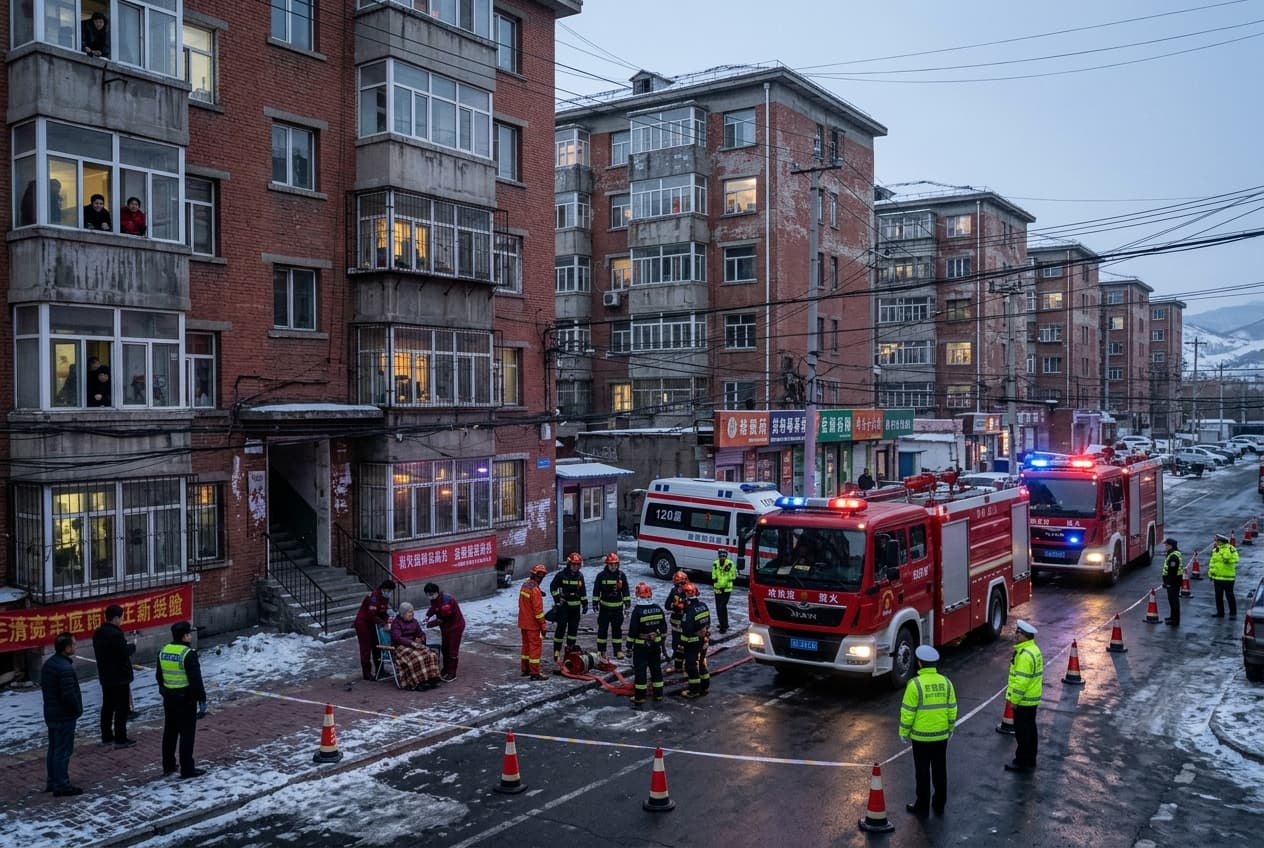
Image note: This article's visual is an AI-generated illustration and does not depict actual patients, health workers, or treatment facilities.
Sources: CNN, SWI swissinfo.ch, AP News via U.S. News & World Report, Washington Post, ACP, WHO, WHO Regional Office for Africa
Published by Banx Network. This article is part of the Banx decentralized media programme, powered by the BXE token on the XRP Ledger.