There is a particular sorrow in watching a fire spread while the buckets are still being filled—the knowledge that the response, however earnest, is arriving too slowly to match the speed of what it seeks to contain. In the eastern Democratic Republic of the Congo, that sorrow has been unfolding for months. This week, the country's confirmed Ebola cases surpassed 9,000, a threshold that few outbreaks in history have crossed, and one that speaks less to the virus's novelty than to the obstacles that have gathered around every effort to stop it.
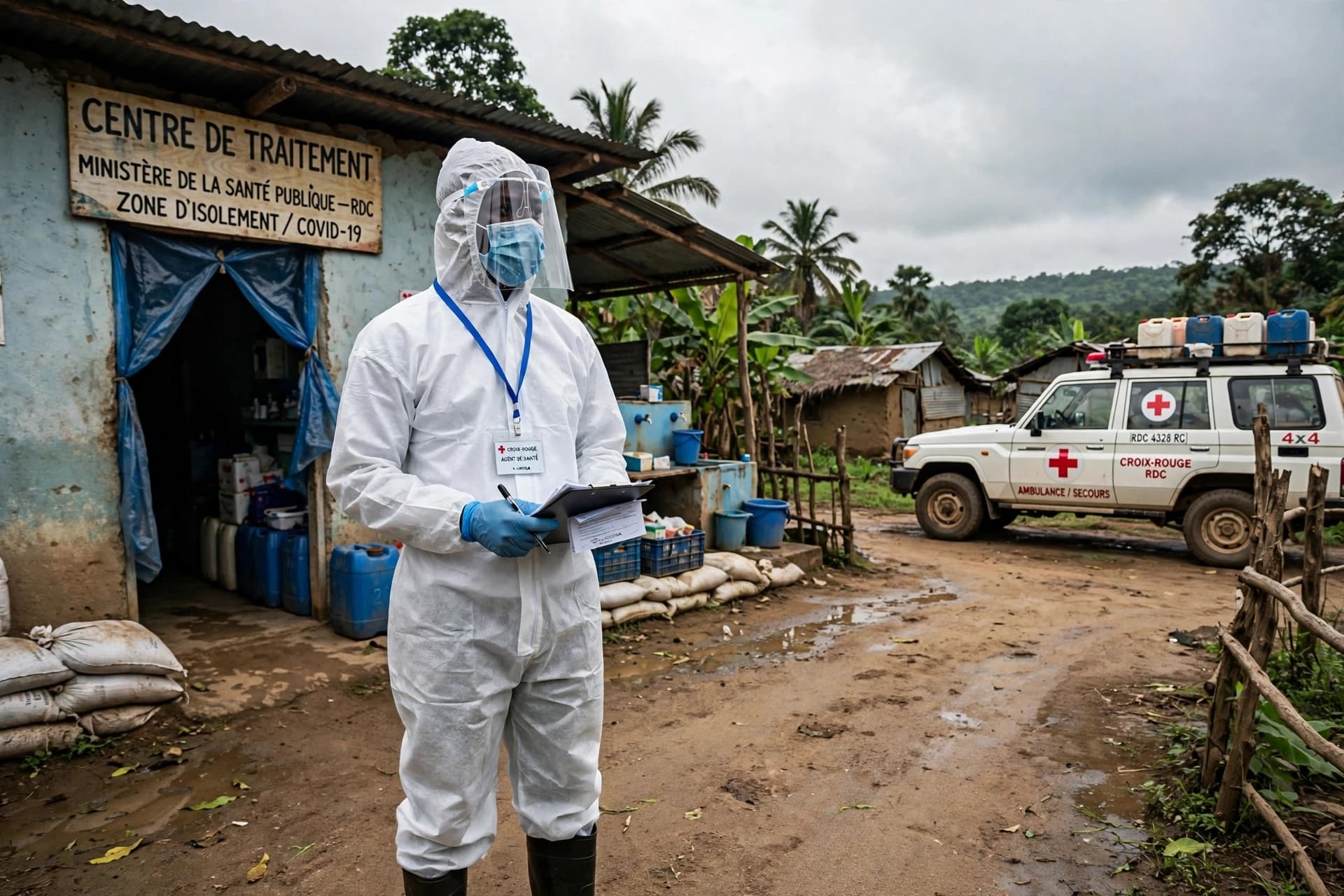
The outbreak, caused by the Bundibugyo species of Ebola, was confirmed in May 2026. Unlike the more familiar Zaire strain, Bundibugyo has no approved vaccine and no specific treatment . That alone would make containment difficult. But the outbreak is also unfolding in Ituri province, a region shaped by decades of conflict, where health infrastructure is thin, roads are poor, and trust in outside institutions has been worn down by years of violence and neglect . By October, the case count had risen to more than 8,700 confirmed cases and 4,205 deaths, a case fatality rate of 48.2 percent . The health zones affected stretch across seven provinces and sixty-four zones, with Ituri bearing roughly three-quarters of the burden .
The response has been enormous in its ambition. Treatment bed capacity rose from less than ten beds at the start to more than 1,500 across fifty-four health facilities . Laboratory capacity expanded from a single testing point to twenty-six operational labs, with daily sample processing rising from about 200 to over 450 . Contact tracing coverage climbed from less than 15 percent at the start to over 85 percent . More than 5 million people were reached with risk communication messages between August and mid-September .
But the virus has outpaced these efforts. In the first month of the outbreak, transmission moved faster than any previous Ebola outbreak on record . More than 80 percent of new infections were being detected outside known contact lists, meaning transmission chains were continuing undetected . And roughly 60 percent of deaths were occurring in communities, outside treatment centers, suggesting that people were either unwilling or unable to seek care in time .
The reasons for this are layered. Health workers have been attacked; treatment centers have been targeted . In some communities, Ebola is not believed to be real—rumors circulate that it is a foreign invention or a poison . The symptoms resemble malaria, which is common, making early recognition difficult. And the region's banking system is so limited that paying frontline workers has become a logistical challenge, leaving many unpaid and frustrated .
The international response has been constrained by funding. The UN's Ebola coordinator warned in August that funds for lifesaving work would run out within weeks . While the United States contributed $80 million, cuts to humanitarian aid have reduced the capacity of responding organizations by more than 30 percent . The World Health Organization has called for sustained support, noting that the outbreak's trajectory remains uncertain and that the gains achieved so far are fragile .
For the people of Ituri, the arithmetic is not abstract. It is measured in the mother who does not bring her feverish child to a clinic because she fears the isolation ward. It is measured in the burial team that arrives to find a family unwilling to accept that their loved one died of a disease they do not believe exists. It is measured in the health worker who has not been paid in weeks, and who continues to work anyway, because the alternative is worse.
The outbreak has not yet reached the scale of the 2014–2016 West African epidemic, which infected more than 28,000 people. But the conditions are ripe for it to grow, and the window for containment is narrowing. The question now is not whether the response can be perfect—it cannot—but whether it can be fast enough, and trusted enough, to matter.
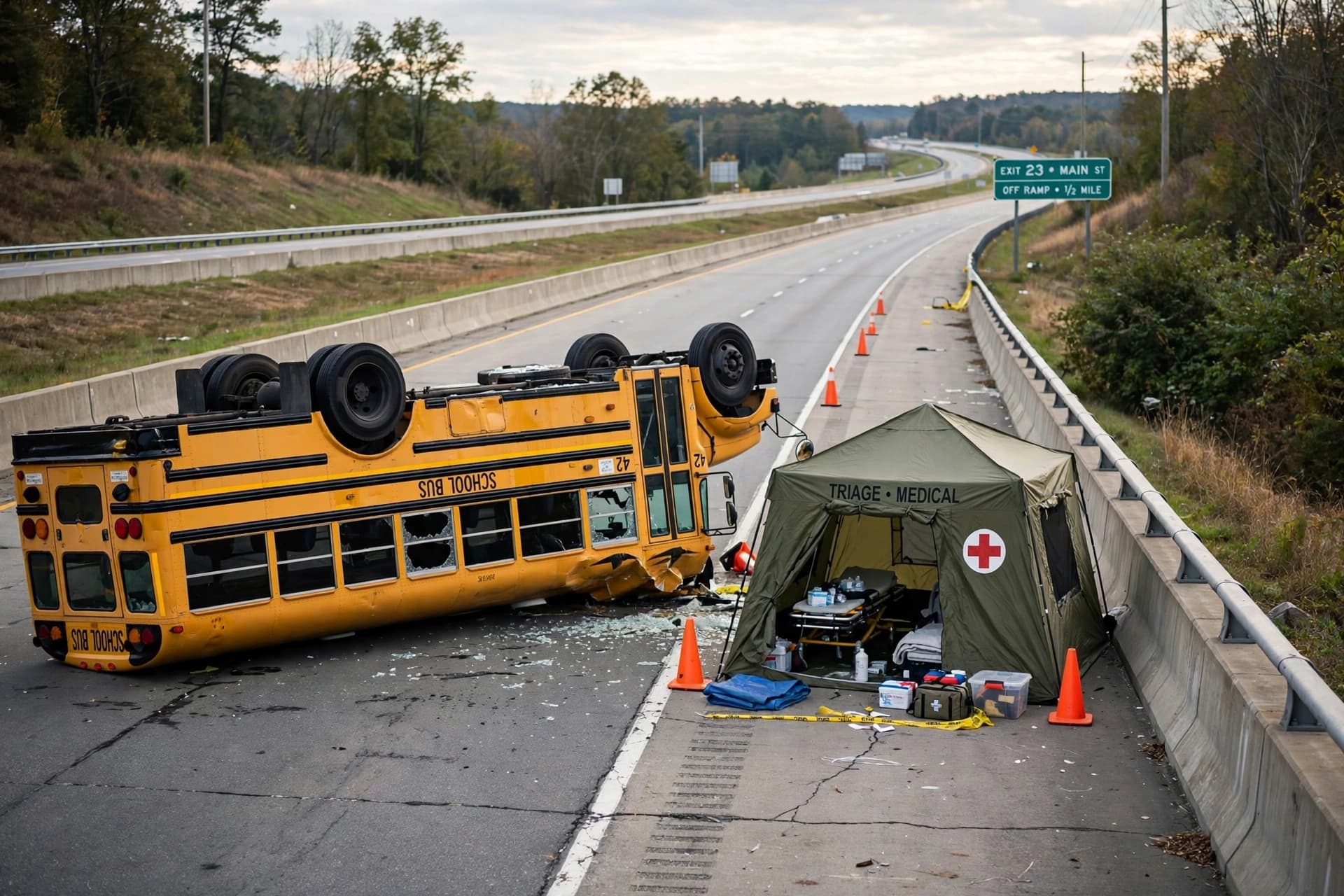
AI Image Disclaimer: All images associated with this report are AI-generated and serve illustrative purposes only, not as documentary records of the outbreak or response described.
Sources: ContagionLive, WHO Regional Office for Africa, UN News, WHO, ReliefWeb
Published by Banx Network. This article is part of the Banx decentralized media programme, powered by the BXE token on the XRP Ledger.

.jpg&w=3840&q=75 "Qantas Grounds Plane After Passengers Report Bedbug Bites")