
Key Highlights
- Date of Elections:April 19, 2026, in five Bolivian regions.
- Voting Conditions:Strict 'Dry Law' and suspension of transport enforced.
- Political Context:Elections seen as a measure of support for President Paz's reforms.
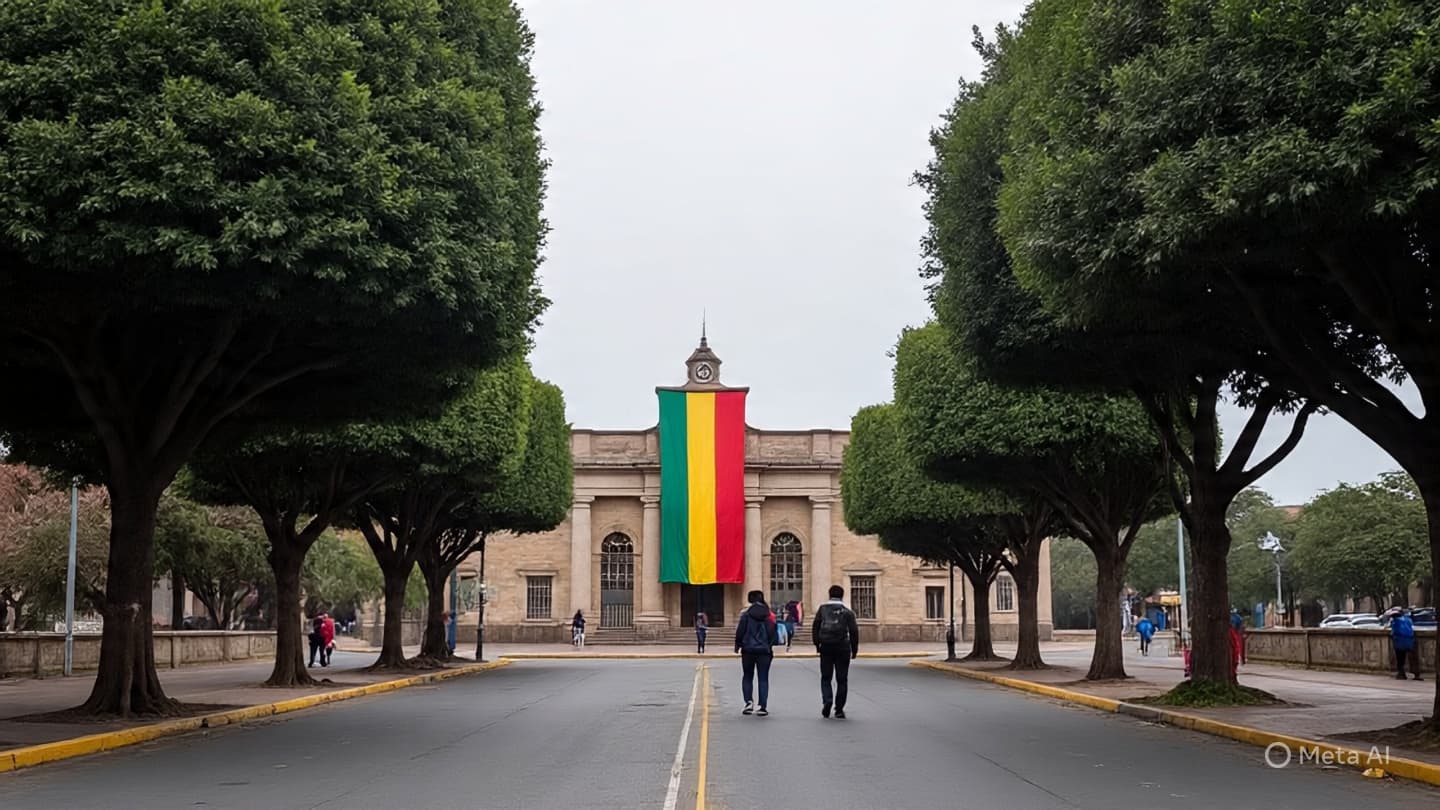
On April 19, 2026, the streets of Santa Cruz, Tarija, and Sucre are enveloped in a profound stillness, marking a pivotal moment in Bolivia's democratic journey. Five key regions are participating in local elections, a significant event that will shape the political landscape for years to come. Under the enforcement of a 'Dry Law' and a complete suspension of public transport, citizens are making their way to polling stations, emphasizing the importance of their votes in determining the future of their communities.
The elections are being conducted with a sense of administrative discipline, aimed at creating an environment conducive to voting. The prohibition of alcohol sales and vehicle movement is intended to minimize distractions, allowing the 'local voice' to resonate clearly. This election cycle is particularly crucial as it comes on the heels of significant political shifts in Bolivia, with local leaders poised to assert their identities and priorities through the ballot box. The outcome will serve as a litmus test for the central government's recent market-friendly policies under President Rodrigo Paz.
Polling data and the atmosphere surrounding the elections indicate a nation in transition. Voters in Sucre and Tarija are not just considering local services; they are reflecting on the broader implications of the 'capitalism for all' initiative promised by the Paz administration. The success or failure of regional candidates will signal public approval or disapproval of the national trajectory, making these elections a critical moment in Bolivia's political narrative.
As the polls remain open until the early evening, international observers are closely monitoring the process for stability and transparency. The heightened security presence and travel warnings underscore the complexities of Bolivia's political landscape. However, reports of high voter turnout early in the day highlight the commitment of the populace to the democratic process, viewing local elections as a direct avenue to influence their quality of life.
The contrast between the usual vibrancy of Bolivian markets and the quiet anticipation of election day illustrates the deep connection between citizens and their government. The five regions participating in the vote represent a diverse cross-section of Bolivia, from the humid lowlands to the high Andes. Their choices will resonate far beyond local governance, impacting the broader political discourse in La Paz.
Logistical coordination on election day showcases the strength of national institutions, ensuring that even remote areas like Beni and Oruro can exercise their right to vote. The suspension of flights during the polling period, while drastic, reflects the seriousness with which the nation approaches this democratic exercise. It is a narrative of a country that prioritizes the voices of its citizens, ensuring that every vote counts.
As evening falls and the first results begin to emerge, the new reality of local governance will start to take shape. This election day marks a significant milestone in Bolivia's pro-market shift, indicating that regions are ready to play a vital role in building a more prosperous future. The setting sun over the Altiplano symbolizes not just the end of a day, but the dawn of a new chapter in Bolivian governance, firmly placing the power in the hands of the people.
Local elections are being held today, April 19, 2026, in five Bolivian regions: Beni, Santa Cruz, Tarija, Oruro, and Sucre. The government has enforced a total 'Dry Law' and a complete suspension of public and private transport until 6:00 PM to ensure a peaceful and orderly voting process. These elections are seen as a critical indicator of regional support for President Rodrigo Paz’s market-oriented reforms and his 'capitalism for all' platform as the country navigates a complex economic transition following two decades of socialist rule.
Published by Banx Network. This article is part of the Banx decentralized media programme, powered by the BXE token on the XRP Ledger.



