There is a certain choreography to American elections, a set of unwritten steps that have long governed how the federal government behaves in the days before voters cast their ballots. The Justice Department, for decades, has kept its distance from the immediate fray—not because it lacked authority, but because the appearance of neutrality mattered as much as the fact of it. That choreography, this year, has been abandoned.
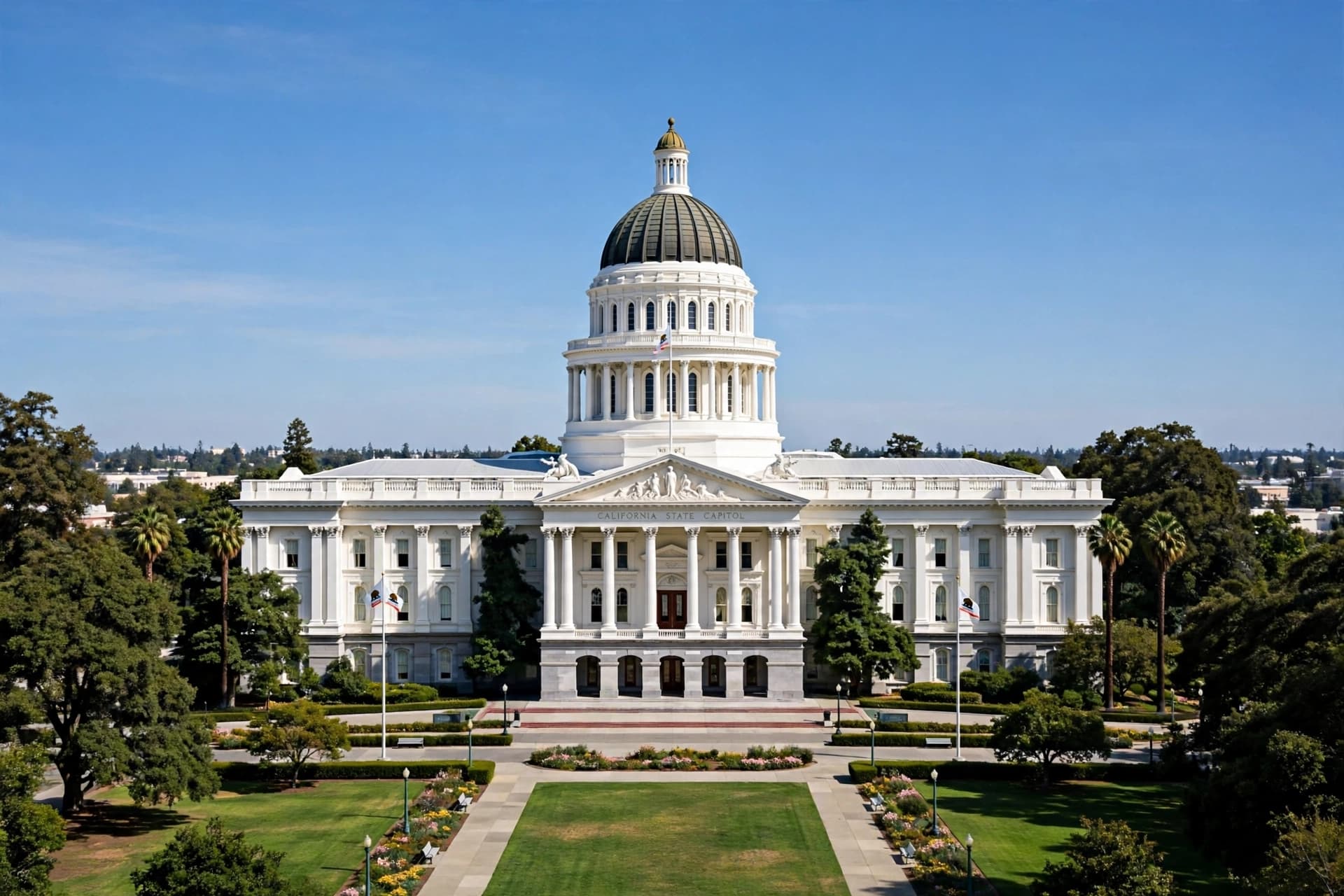
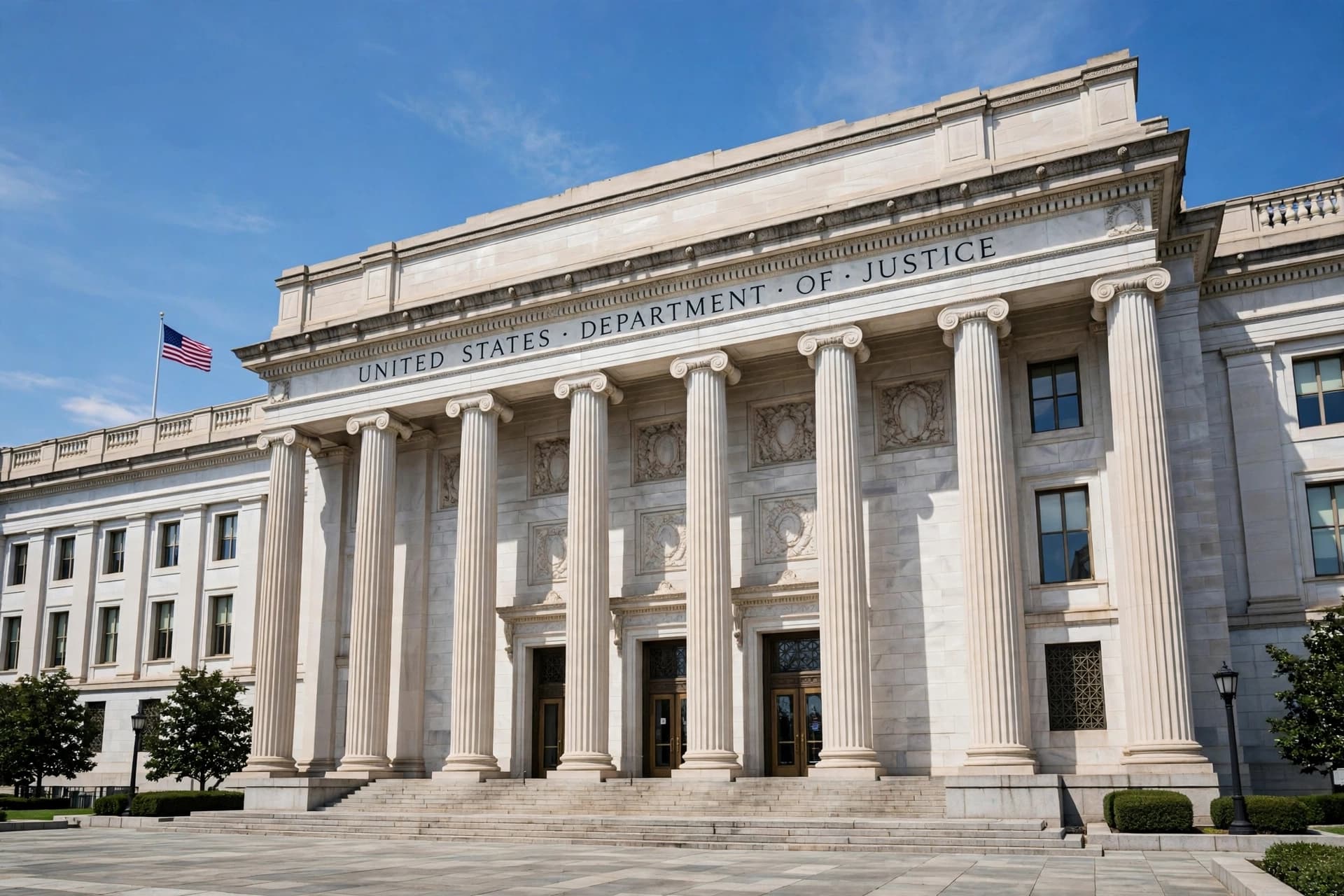
In the final days before Tuesday’s midterm elections, the Justice Department has intervened directly in election disputes in at least two states, breaking with a tradition meant to prevent the perception that federal law enforcement is being used to benefit a particular party or candidate . In California, the department sought to set aside mail-in ballots from roughly twenty thousand voters it claims are likely non-citizens, asking the Supreme Court on Monday to temporarily block the state from counting those ballots . In Alaska, the department pursued a criminal investigation into whether a Senate candidate sharing the name of the Republican incumbent entered the race to confuse voters, and it sought to block certification of the results if the incumbent narrowly lost .
The California case has drawn particular scrutiny. A federal judge rejected the administration’s request, and the Ninth Circuit declined to block the ballots. But the underlying list of names has raised questions of its own. According to an analysis by the UCLA Voting Rights Project, more than four in ten names flagged by the government cannot be found on California’s voter rolls at all—8,880 of the roughly twenty thousand names, or forty-two percent, do not correspond to any current voter . The analysis also found that thousands of U.S. citizens appear to have been flagged as ineligible. California officials have said the state’s safeguards against non-citizen voting are robust, and multiple studies have found that ineligible voting is rare .
The timing of these interventions is what has drawn the most concern. Traditionally, the Justice Department’s election-related work has focused on enforcing federal laws that protect access to the ballot, and its Public Integrity Section has generally advised waiting until results are certified before intervening . Former officials from both parties have described the current approach as a departure. Peter Keisler, who served as acting attorney general under George W. Bush, told reporters that for the department to be trusted, “it has to ensure that people understand it does not take sides in political partisan disputes” . A department spokesperson, however, said the interventions are lawful and aimed at protecting election integrity: “The Department isn’t helping any campaign. It’s enforcing the law” .
What remains to be seen is how these legal battles will shape the public’s confidence in the results. The midterms will determine control of Congress, with all 435 House seats and roughly a third of the Senate up for election. In California, with its fifty-two House seats and its sometimes weeks-long ballot counting process, close races could remain unsettled for days . The courts have so far rejected the department’s requests in both states, though the Alaska decision has been appealed. The votes will be counted, and the results will be certified, or contested, in the days and weeks that follow.
For now, the choreography has changed, and the music has not yet stopped. The question that hangs over the final hours of this campaign season is not whether the Justice Department has the legal authority to act, but whether the public will trust the institution to act fairly. That trust, once loosened, is not easily retied.
Image Disclaimer: The visuals for this article were generated by AI and are illustrative rather than documentary in nature.
Sources: CBC, The Detroit News, Honolulu Star-Advertiser, Times of India
Published by Banx Network. This article is part of the Banx decentralized media programme, powered by the BXE token on the XRP Ledger.