

Key Highlights
- At least 18 confirmed dead due to severe flooding.
- Emergency responders face challenges reaching isolated communities.
- Discussions on land management and preparedness are reignited.
In the quiet rhythm of seasonal rains, there is often an unspoken understanding between land and sky. Yet, when that balance tilts too far, what once nourished can overwhelm. Recently, parts of the country have experienced such an imbalance, where water and earth moved not gently, but with devastating force.
Heavy rainfall has triggered floods and landslides across several regions, leaving communities grappling with sudden loss. Authorities have confirmed that at least 18 people have died, with many more displaced as homes were swept away or buried beneath shifting soil. The toll reflects not only the intensity of the rains but also the vulnerability of areas where infrastructure remains fragile.
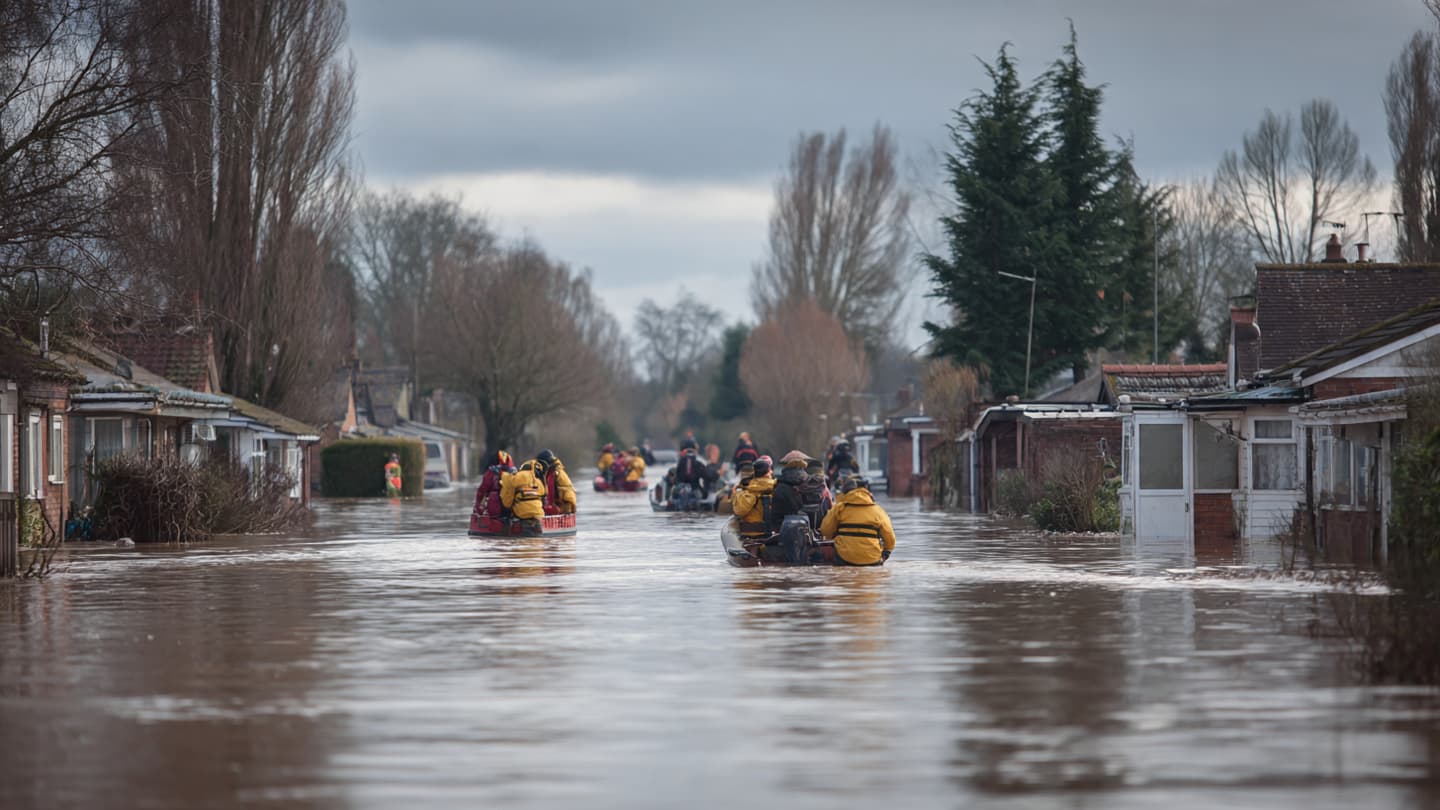
In rural and peri-urban zones, swollen rivers overflowed their banks, cutting off roads and isolating villages. Emergency responders have been working under difficult conditions, navigating muddy terrain and damaged access routes to reach those in need. For many families, the urgency has been not only rescue but also securing basic necessities such as clean water and shelter.
Meteorological agencies had issued warnings about unusually heavy rainfall linked to seasonal weather patterns. However, the scale of the impact underscores how rapidly conditions can escalate, particularly in regions prone to landslides due to deforestation or unstable terrain. The combination of heavy rains and vulnerable landscapes has proven to be a deadly mix.
Government officials have begun coordinating relief efforts, deploying rescue teams and mobilizing temporary shelters. Aid organizations are also stepping in, providing food supplies and medical assistance. Yet, logistical challenges remain significant, especially in areas where infrastructure has been severely compromised. The urgency of the situation has prompted local and national authorities to prioritize immediate relief while also planning for long-term recovery.
Beyond the immediate response, the disaster has reignited discussions about preparedness and land management. Experts note that urban expansion into high-risk zones and environmental degradation can amplify the effects of natural hazards, turning seasonal rains into life-threatening events. As communities begin to assess the damage, the need for sustainable practices and better planning becomes increasingly clear.
For survivors, the aftermath is marked by uncertainty. Rebuilding will take time, and for many, the loss extends beyond physical structures to livelihoods and community ties that cannot be easily restored. The emotional toll of such disasters often lingers long after the waters recede.
Authorities continue to assess the damage and search for missing individuals, while relief efforts remain ongoing across affected regions. The resilience of these communities will be tested in the coming weeks as they navigate the challenges of recovery and rebuilding.
Published by Banx Network. This article is part of the Banx decentralized media programme, powered by the BXE token on the XRP Ledger.




